Introduction: The Ever-Changing World of Gaming
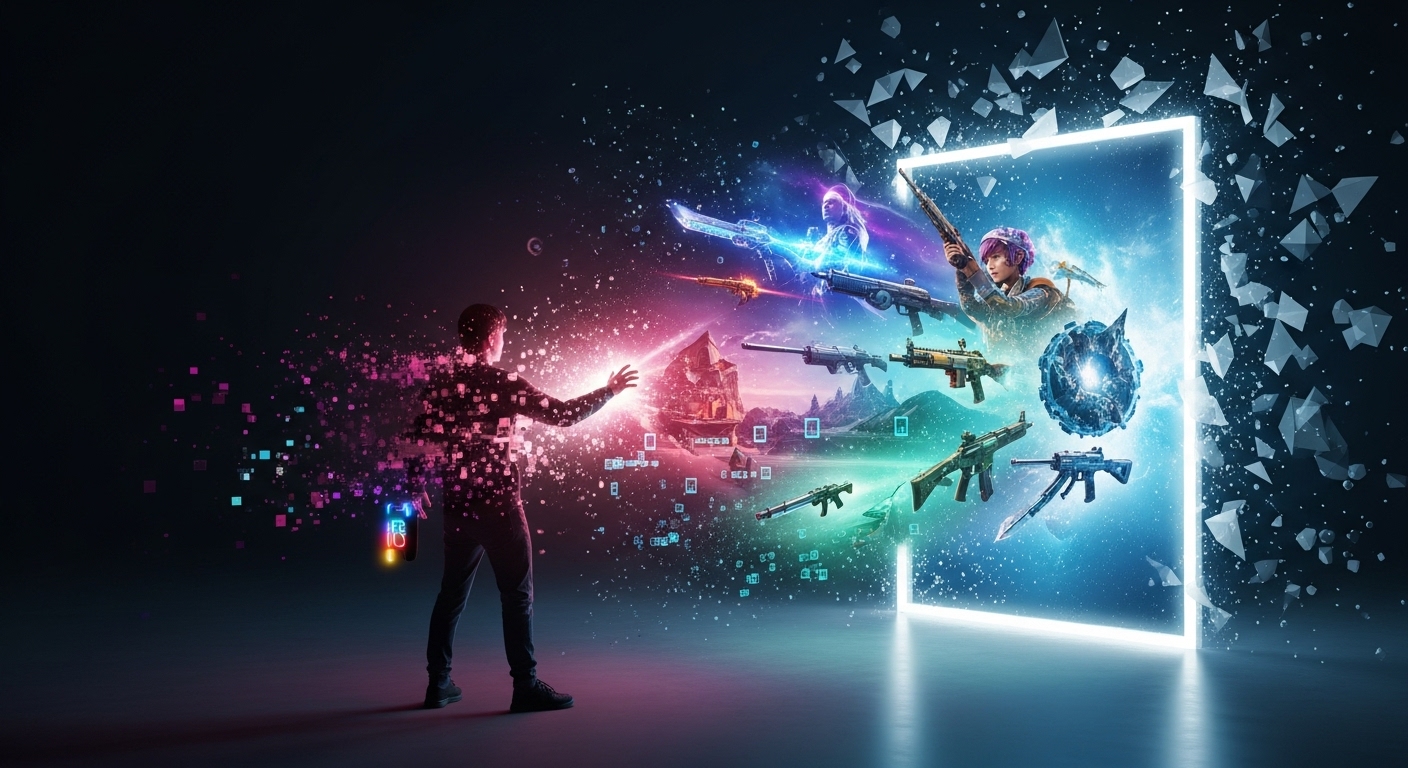
Gaming has transformed from a niche pastime into one of the most influential entertainment industries on the planet. What started with simple pixelated graphics and limited gameplay has evolved into an immersive experience filled with breathtaking visuals, complex storytelling, and interactive technology. Today, gaming is not just a form of entertainment—it is a culture, an industry, and even a profession for millions around the globe. The evolution of gaming reflects the rapid progress of technology and the creativity of human imagination.
The Birth of Gaming: Simplicity and Innovation
The earliest days of gaming were defined by simplicity. Games like Pong, Space Invaders, and Pac-Man were revolutionary for their time, offering players something completely new: digital entertainment. These early titles were more than just simple fun; they introduced the world to the idea of interacting with technology for leisure. The graphics were basic, sound effects were minimal, and gameplay was repetitive, yet millions were captivated. The 1980s and 1990s marked the golden age of arcade gaming, where friends gathered around machines, sharing excitement, competition, and joy.
The Rise of Home Consoles and Personal Gaming
The introduction of home gaming consoles changed everything. Systems like the Atari, Nintendo Entertainment System (NES), and later the Sega Genesis brought the arcade experience into the living room. Suddenly, families could enjoy gaming together without leaving home. With these consoles came iconic characters like Mario, Sonic, and Link, who became cultural symbols for generations. The 16-bit and 32-bit eras pushed the boundaries of what was possible, delivering smoother gameplay, better sound, and more creative worlds.
The 3D Revolution and the New Era of Immersion
The mid-1990s brought about one of the most significant shifts in gaming history: the transition from 2D to 3D. Consoles like the PlayStation, Nintendo 64, and later the Dreamcast introduced gamers to fully realized 3D environments. Games such as Super Mario 64 and The Legend of Zelda: Ocarina of Time redefined what video games could be. They gave players a sense of freedom, exploration, and immersion like never before. Developers began focusing more on storylines, cinematic cutscenes, and character development. This was the era when gaming started to mature from simple entertainment to a legitimate art form.
The Rise of Online Gaming and Multiplayer Experiences
As the internet became accessible, gaming entered a connected age. Online gaming introduced an entirely new social dimension. Players could now compete, cooperate, and communicate with others from across the world. Titles like Counter-Strike, World of Warcraft, and Halo revolutionized the concept of community gaming. Online multiplayer experiences created friendships, rivalries, and even entire subcultures. The concept of esports also began to take shape, turning competitive gaming into a global phenomenon with tournaments, sponsorships, and professional players.
Mobile Gaming and the Power of Accessibility
The arrival of smartphones brought gaming to the fingertips of billions. Mobile gaming opened the door for casual players who may not own a console or a gaming PC. Games like Angry Birds, Candy Crush, and Clash of Clans became global hits, proving that gaming could be both simple and highly engaging. Mobile platforms also gave indie developers a chance to shine, offering creative titles that reached massive audiences. The convenience of mobile gaming changed how people interacted with games, allowing them to play anytime and anywhere.
The Age of Realism: Graphics, Physics, and Artificial Intelligence
Modern gaming has reached astonishing levels of realism. With advanced hardware, high-resolution textures, ray tracing, and powerful processors, games now look almost indistinguishable from real life. Titles like Red Dead Redemption 2, Cyberpunk 2077, and The Last of Us Part II showcase breathtaking visuals and lifelike animations. Artificial intelligence has also become a major component, creating smarter opponents and more dynamic environments. The line between reality and the virtual world continues to blur, offering players a truly cinematic experience.
Virtual Reality and Augmented Reality: The Next Frontier
The development of virtual reality (VR) and augmented reality (AR) has pushed gaming into a new dimension. VR headsets like the Meta Quest and PlayStation VR allow players to step directly into the game world, experiencing it from a first-person perspective. Meanwhile, AR blends the digital and physical worlds, letting players interact with virtual objects in real environments. Games like Beat Saber and Pokémon GO show how immersive and interactive this new form of gaming can be. VR and AR are not just about visuals; they engage the player’s senses, movement, and even emotions, creating experiences unlike anything before.
Esports: From Hobby to Professional Sport
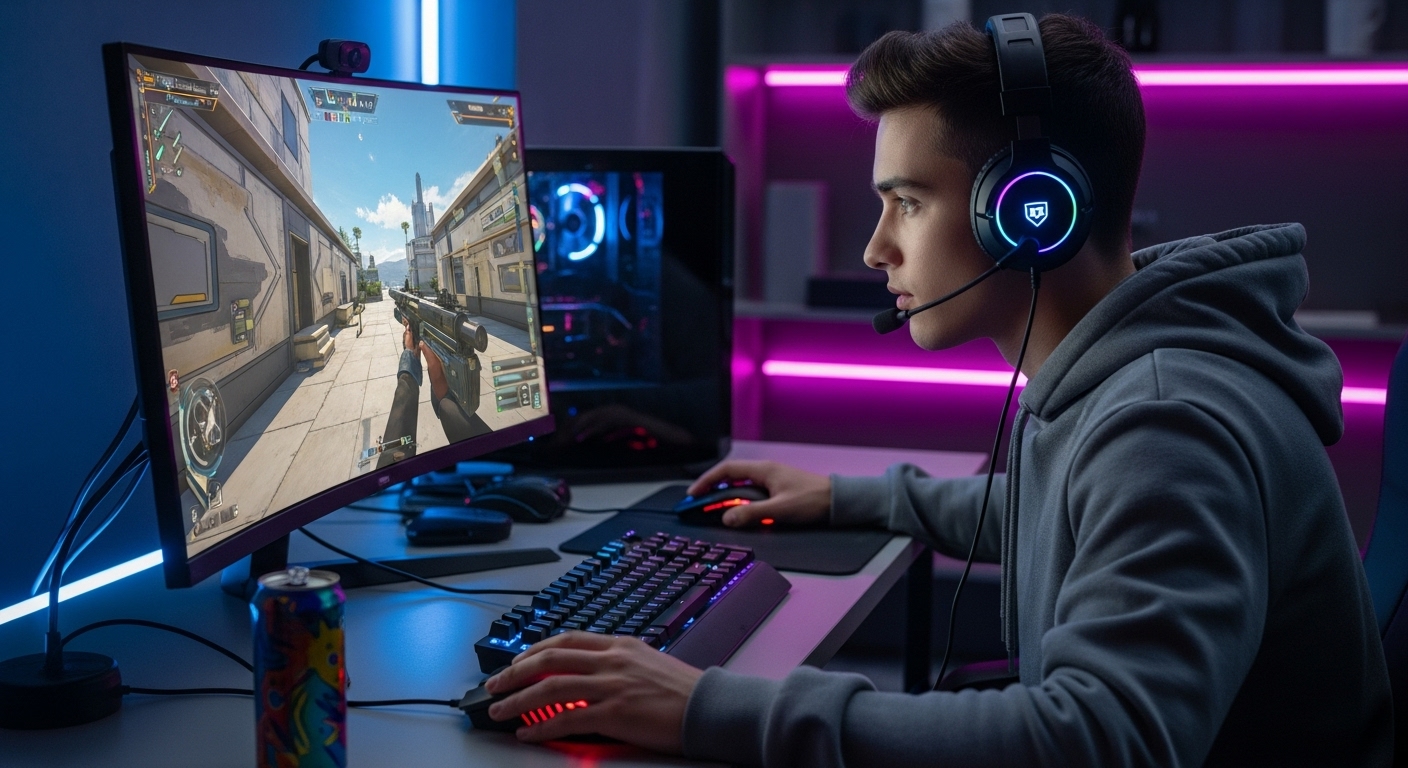
Esports has transformed gaming into a global competitive industry. What once was considered a casual pastime has now become a full-fledged career path for skilled players. Games like League of Legends, Dota 2, and Valorant draw millions of viewers during tournaments. Professional gamers are treated like athletes, with sponsorships, training regimens, and massive prize pools. Esports arenas fill with cheering fans, while online streaming platforms broadcast matches to global audiences. The success of esports demonstrates that gaming is not only entertainment but also a legitimate sport recognized by millions.
Streaming and Content Creation: The Rise of Gaming Influencers
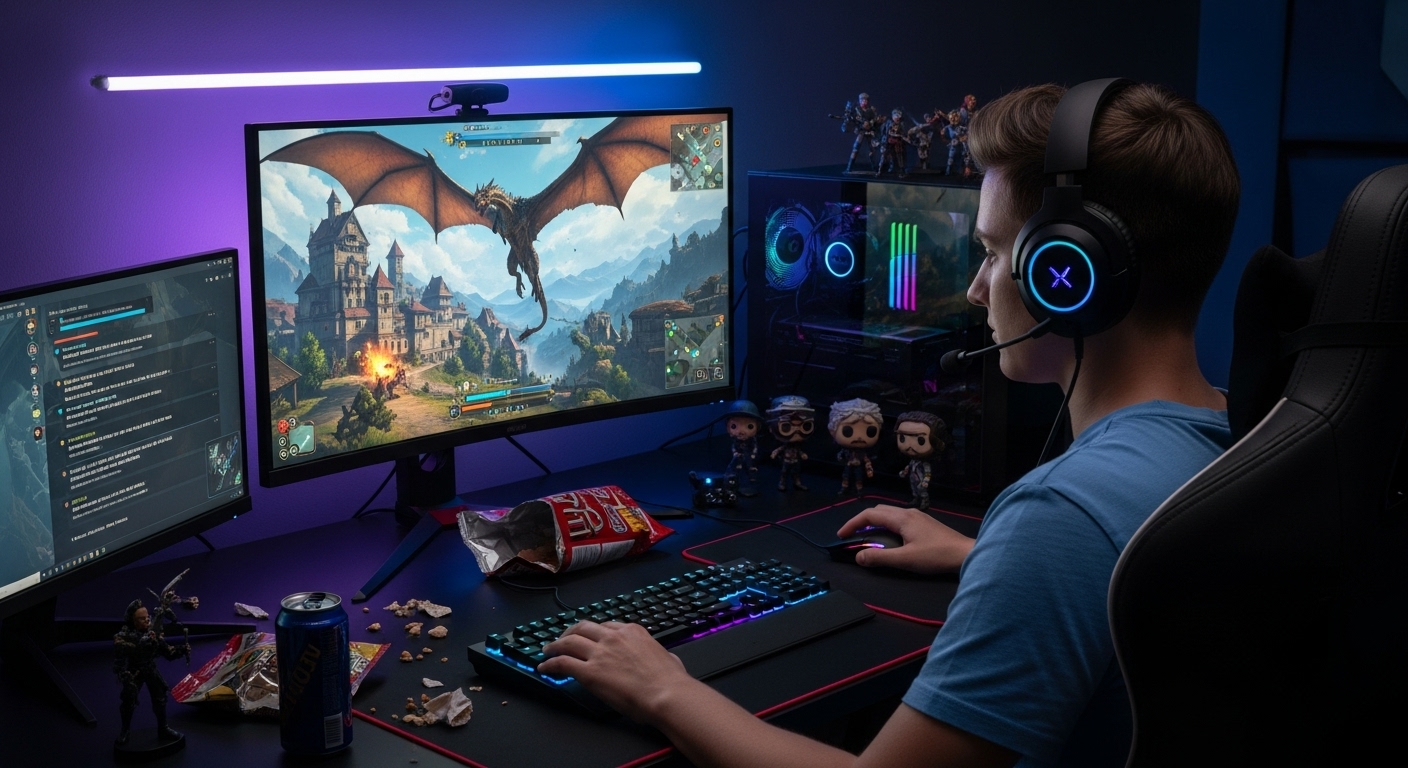
The modern gaming landscape has been shaped dramatically by content creation. Platforms that allow players to share their gameplay have given rise to gaming influencers, streamers, and YouTubers who have turned their passion into thriving careers. These content creators entertain, educate, and inspire millions of viewers daily. Streaming has also brought the gaming community closer together, allowing real-time interaction between players and audiences. This new era of content creation has made gaming more social, interactive, and influential than ever.
The Role of Artificial Intelligence in Game Development
Artificial intelligence is not only transforming gameplay but also revolutionizing game development itself. Developers now use AI tools to generate environments, characters, and even storylines. This technology allows for faster and more efficient production while maintaining creativity and quality. AI-driven non-player characters (NPCs) can now learn, adapt, and react dynamically, making each playthrough unique. The integration of AI ensures that the gaming experience continues to evolve in unexpected and innovative ways.
The Future of Cloud Gaming and Subscription Services
Cloud gaming is reshaping how people access and play games. Instead of relying on expensive consoles or gaming PCs, players can now stream high-quality games directly from the cloud. This model offers convenience and flexibility, removing hardware barriers and making gaming more inclusive. Subscription-based platforms are also becoming the norm, allowing players to access large libraries of games for a monthly fee. The future of gaming lies in accessibility, and cloud technology is leading the charge.
The Cultural and Social Impact of Gaming
Beyond technology, gaming has had a profound cultural impact. It has influenced music, movies, fashion, and even education. Gaming communities bring people together, fostering friendships across borders. Games are also being used as tools for learning, therapy, and social awareness. The stories told in games often explore complex themes such as morality, identity, and human emotion, proving that gaming can be a powerful medium for artistic expression.
Challenges and Controversies in the Gaming Industry
Despite its success, the gaming industry faces ongoing challenges. Issues such as addiction, toxicity in online communities, and exploitative monetization practices have sparked debate. Developers and players alike are pushing for more ethical standards, inclusivity, and healthier gaming habits. Another major concern is data privacy and security, as online gaming often requires personal information. The industry continues to evolve, balancing entertainment, innovation, and responsibility.
Conclusion: Gaming as a Gateway to the Future
Gaming has come a long way from its humble beginnings. What was once a simple pastime is now a multi-billion-dollar global phenomenon that shapes culture, technology, and human interaction. The journey from pixelated characters to immersive virtual worlds represents the endless potential of creativity and innovation. As technology continues to advance, the future of gaming promises even more exciting developments—perhaps games that blend reality and imagination seamlessly. The evolution of gaming is not just about better graphics or faster processors; it’s about the power of imagination and the joy of shared experience. In the years to come, gaming will continue to unite people, inspire innovation, and redefine what entertainment truly means.