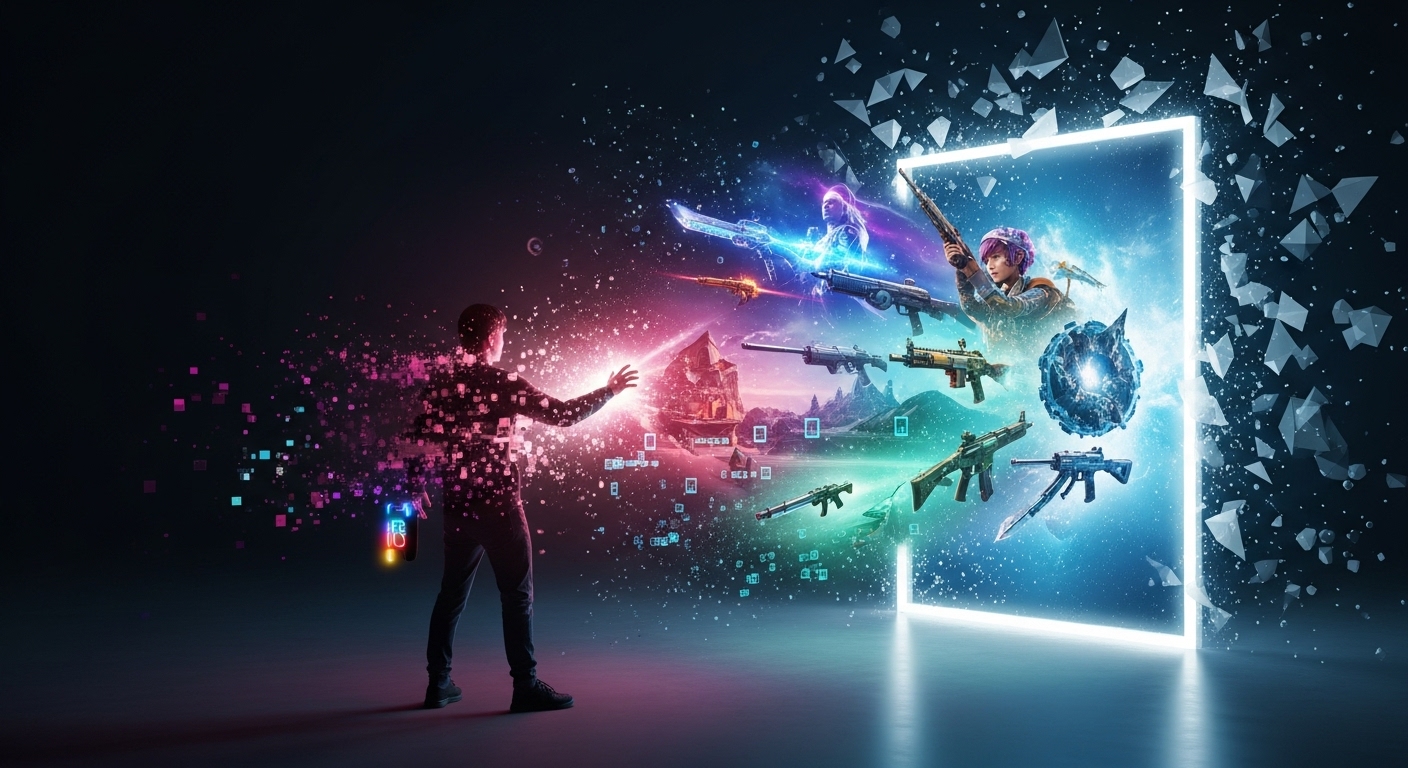
Gaming has evolved from a niche pastime into a global cultural and economic phenomenon. What began as simple arcade games has grown into a multi-billion-dollar industry encompassing console gaming, PC gaming, mobile games, and competitive esports. Today, gaming influences entertainment, education, social interactions, and even professional careers. This blog explores the history, evolution, benefits, and future of gaming, highlighting its profound impact on society and individuals alike.
The Origins of Gaming
The history of gaming dates back to the 1950s and 1960s with the advent of simple computer games. Titles like “Tennis for Two” and “Spacewar!” laid the groundwork for interactive digital entertainment. The 1970s and 1980s saw the rise of arcade games and home consoles, with games such as “Pac-Man” and “Super Mario Bros” capturing global attention. These early games were not only a form of entertainment but also a reflection of technological innovation, demonstrating the potential of computers and video systems for interactive experiences.
The Evolution of Gaming Technology
Gaming technology has evolved tremendously over the decades. From pixelated graphics and simple sound effects to photorealistic visuals and immersive audio, technological advancements have enhanced the gaming experience. Modern gaming consoles and high-performance PCs deliver sophisticated graphics, complex gameplay mechanics, and realistic simulations. Virtual reality and augmented reality have further expanded the possibilities, allowing players to interact with game environments in unprecedented ways. This evolution has made gaming more engaging, immersive, and accessible than ever before.
The Rise of Mobile Gaming
Mobile gaming has revolutionized the gaming landscape, making it possible for anyone with a smartphone to engage in interactive entertainment. Casual games, strategy titles, and multiplayer experiences can now be enjoyed on the go. Mobile gaming has not only expanded the player base but also introduced new revenue models, such as in-app purchases and microtransactions. The convenience and accessibility of mobile gaming have democratized interactive entertainment, allowing millions of people worldwide to participate in gaming daily.
Gaming and Cognitive Development
Gaming offers a range of cognitive benefits that extend beyond entertainment. Puzzle games, strategy games, and simulation titles improve problem-solving, critical thinking, and decision-making skills. Fast-paced games enhance hand-eye coordination, spatial awareness, and reaction time. Multiplayer games also encourage planning, teamwork, and adaptability. Studies have shown that gaming can stimulate brain activity, improve memory, and enhance mental agility, making it a valuable tool for cognitive development across all age groups.
Social Interaction in Gaming
Contrary to stereotypes, gaming often promotes social interaction and collaboration. Online multiplayer games allow players to communicate, strategize, and build friendships with people from around the world. Gaming communities provide spaces for shared interests, fan engagement, and social bonding. Cooperative gameplay fosters teamwork and communication, while competitive modes teach sportsmanship and resilience. For many players, gaming is not only entertainment but also a platform for social connection and cultural exchange.
Gaming and Emotional Wellbeing
Gaming can also contribute to emotional wellbeing when approached in a balanced manner. Engaging in immersive gameplay provides stress relief, relaxation, and a sense of accomplishment. Story-driven games offer emotional narratives that can foster empathy and perspective-taking. Multiplayer games provide social support and shared experiences that combat feelings of isolation. While moderation is key, gaming can be a valuable tool for managing emotions, building confidence, and promoting mental resilience.
Gaming as a Career: Professional Players and Streamers
The rise of professional gaming has transformed gaming from a hobby into a legitimate career path. Esports tournaments, competitive leagues, and streaming platforms have created opportunities for skilled players to earn substantial income. Professional gamers dedicate hours to practice, strategy development, and teamwork, similar to traditional athletes. Streaming and content creation allow gamers to connect with audiences, share gameplay, and monetize their skills. Gaming careers provide financial stability, global recognition, and opportunities for personal growth.
Educational Potential of Gaming
Gaming has increasingly been integrated into educational contexts, leveraging its interactive nature to enhance learning. Educational games teach subjects ranging from math and science to history and language. Simulation games provide practical experience in problem-solving and decision-making. Gamification techniques, such as rewards and progress tracking, enhance engagement and motivation in the classroom. By incorporating gaming into education, teachers and institutions create interactive, effective, and enjoyable learning experiences for students.
The Economic Impact of Gaming
The gaming industry has become a major economic force, generating billions of dollars annually through game sales, subscriptions, merchandise, and in-game purchases. Game development studios, publishers, and streaming platforms contribute to job creation, technological innovation, and global economic growth. Major releases and esports tournaments attract significant investment, tourism, and media attention. The economic influence of gaming demonstrates its importance as both a cultural and commercial phenomenon.
Women and Diversity in Gaming
Historically, gaming was often perceived as male-dominated, but the landscape is rapidly changing. Female gamers, developers, and content creators are gaining visibility and recognition. Inclusive game design and community initiatives encourage diversity in participation and representation. Highlighting diverse characters and stories within games promotes inclusivity and cultural understanding. The growing presence of women and underrepresented groups is enriching the gaming industry, creating a more equitable and dynamic environment for players worldwide.
Technological Innovations Driving Gaming
Technology continues to shape the gaming industry, pushing the boundaries of interactivity and immersion. Artificial intelligence enhances non-player character behavior, creating more dynamic gameplay. Cloud gaming allows players to stream high-quality games without expensive hardware. Virtual reality and augmented reality provide immersive experiences, transforming how players interact with game worlds. These technological innovations are driving creativity, accessibility, and engagement, ensuring that gaming remains at the forefront of digital entertainment.
Gaming Communities and Culture
Gaming has developed into a rich cultural ecosystem, with communities forming around shared interests, game franchises, and competitive play. Online forums, fan art, and social media groups foster collaboration and cultural exchange. Gaming events and conventions celebrate creativity, cosplay, and innovation. These communities provide support networks, mentorship, and shared experiences, making gaming not just a pastime but a social and cultural phenomenon that unites people globally.
Challenges in the Gaming World
While gaming offers numerous benefits, it also presents challenges that need to be addressed. Excessive gaming can lead to health issues such as eye strain, poor posture, and disrupted sleep patterns. Online toxicity, harassment, and addiction are concerns that communities and developers continue to address. Balancing gaming with other life responsibilities is crucial for long-term wellbeing. By promoting responsible gaming practices, supportive communities, and educational awareness, the industry can mitigate these challenges effectively.
The Future of Gaming
The future of gaming promises continued innovation and growth. Emerging technologies like virtual reality, augmented reality, and artificial intelligence will redefine gameplay and player experiences. Cross-platform and cloud gaming will enhance accessibility and connectivity. Esports and competitive gaming will expand globally, creating new opportunities for professional careers. Storytelling, interactivity, and immersive experiences will continue to evolve, making gaming an integral part of entertainment, education, and social life for generations to come.
Conclusion: Gaming as a Transformative Force
Gaming is no longer just a form of entertainment; it is a transformative force shaping culture, education, social interaction, and professional opportunities. From cognitive development and emotional wellbeing to technological innovation and economic impact, gaming influences multiple facets of modern life. By embracing its potential responsibly, gaming can continue to entertain, educate, and connect individuals around the world. It demonstrates the power of interactive entertainment to inspire creativity, foster communities, and transform the way people engage with technology and each other.