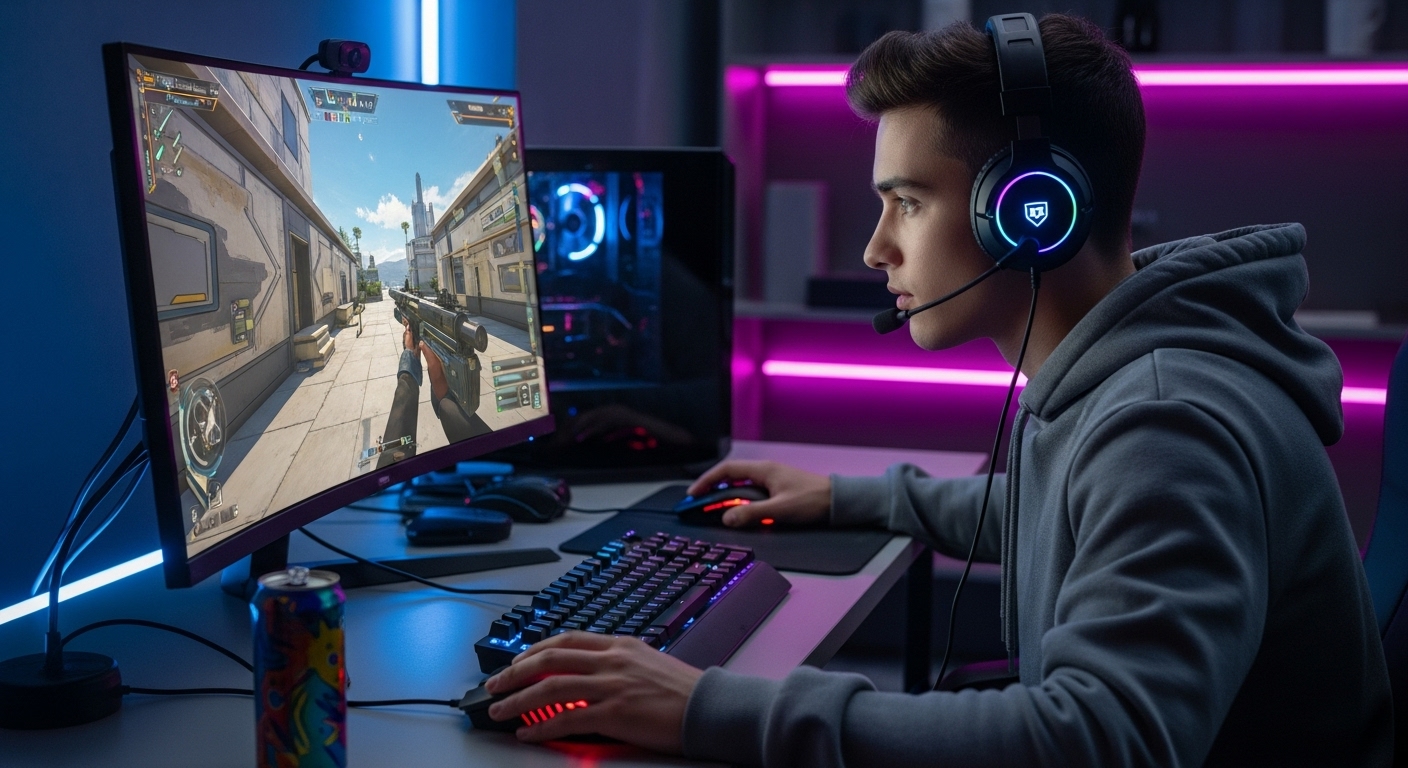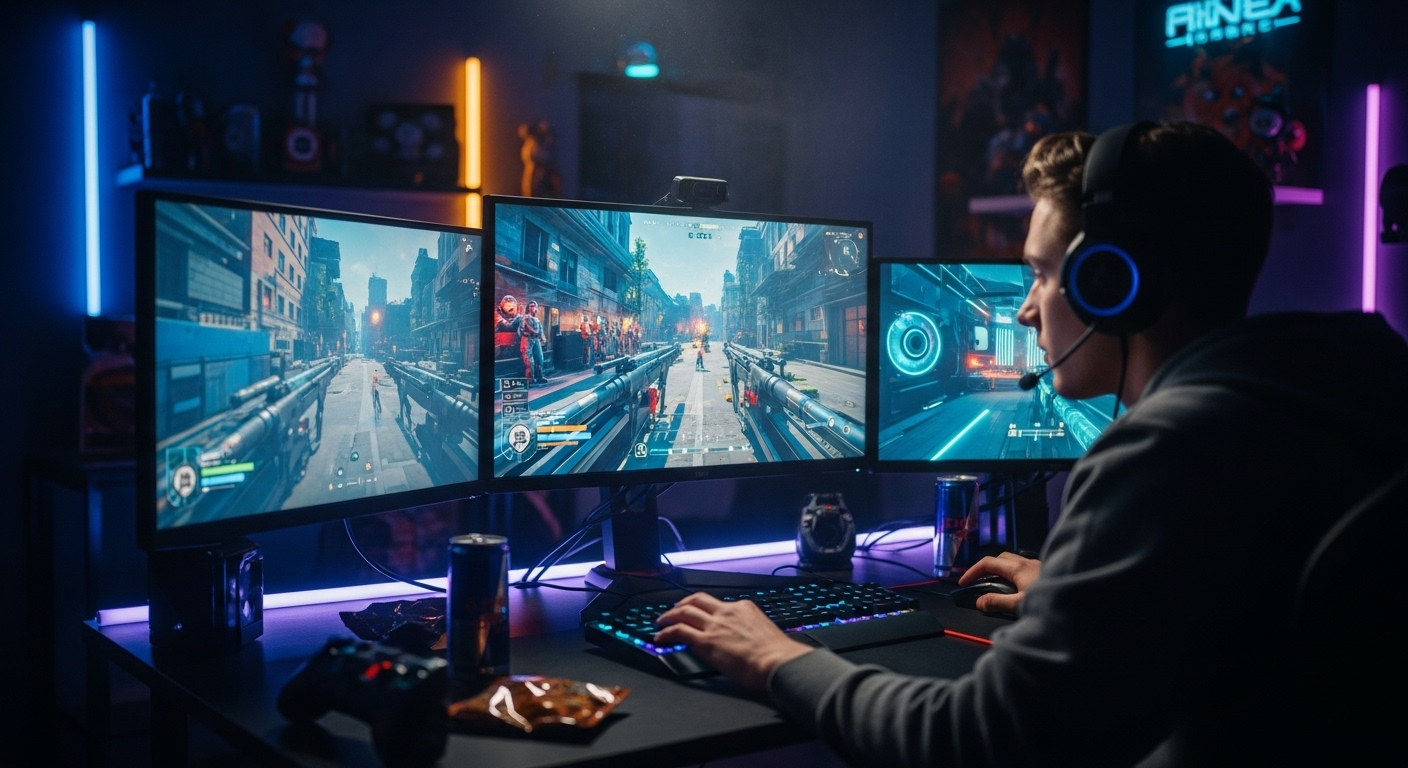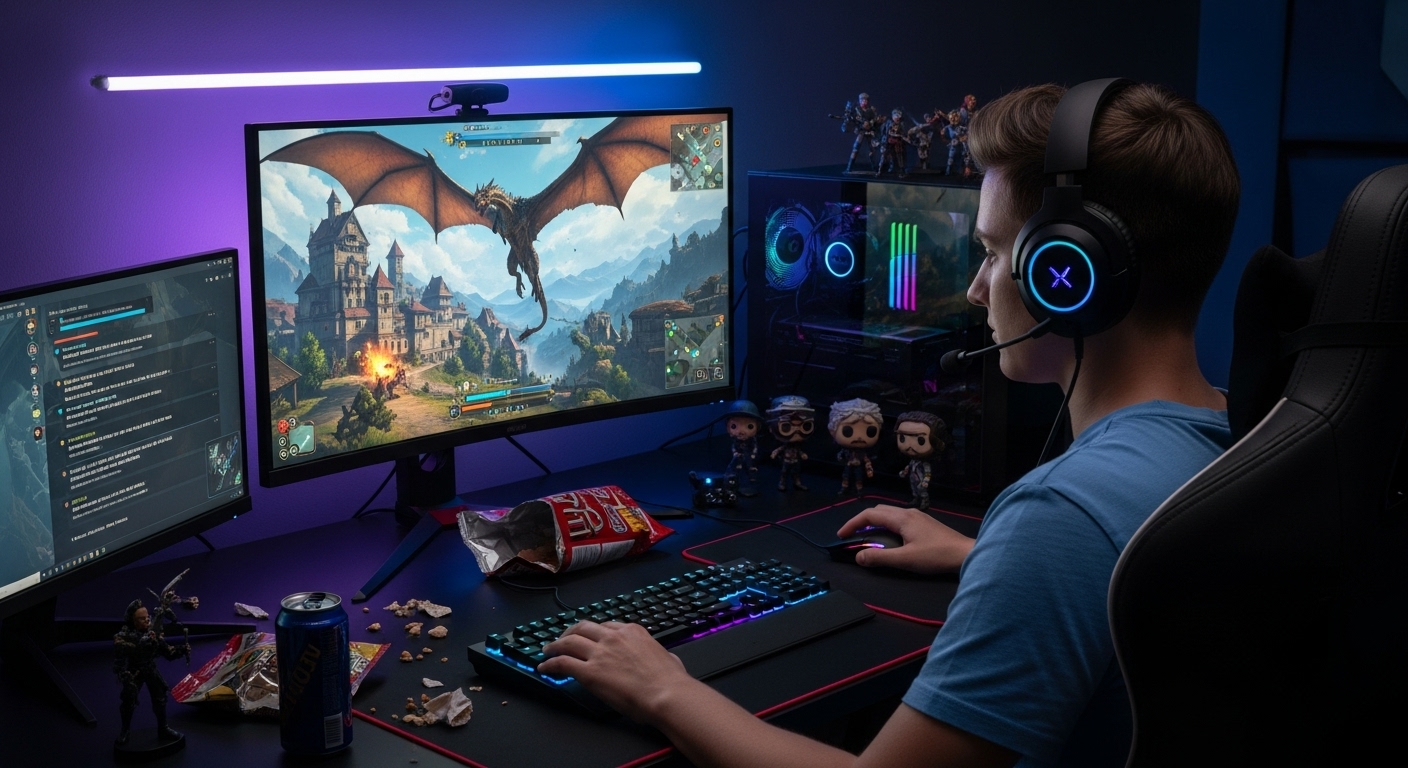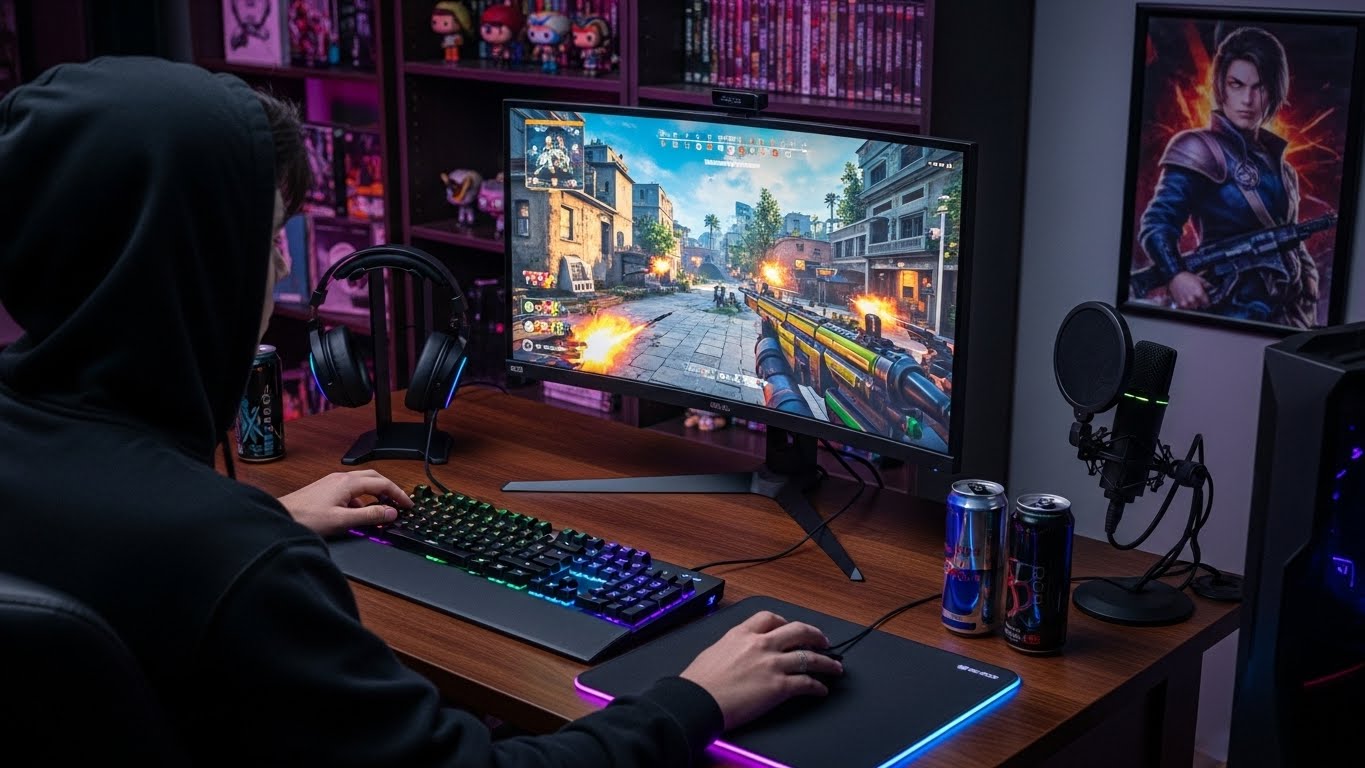
Introduction: Gaming Beyond Entertainment
Gaming has evolved far beyond its original purpose as a source of entertainment. Today, it represents a multifaceted cultural, social, and technological phenomenon. From console and PC games to mobile and cloud-based platforms, gaming has permeated almost every aspect of daily life. It influences creativity, problem-solving, communication, and even education. Understanding gaming’s evolving role provides insight into how this form of digital interaction is shaping individual behaviors and society at large.
The Evolution of Gaming
Gaming has a rich history, starting with simple pixelated arcade games and evolving into immersive experiences that rival blockbuster films in terms of storytelling and visual design. Early games focused on basic mechanics, often testing reflexes and coordination. As technology advanced, developers introduced intricate narratives, realistic graphics, and multiplayer capabilities, making gaming a dynamic and interactive medium. The rise of online platforms has transformed gaming into a global community, allowing players from diverse cultures to connect, compete, and collaborate.
The Psychology of Gaming
Gaming taps into the human brain’s reward system in unique ways. Completing challenges, leveling up, or achieving rare in-game items triggers dopamine release, creating feelings of satisfaction and motivation. Beyond rewards, games often encourage problem-solving, critical thinking, and strategic planning. They simulate real-life scenarios where decision-making skills are essential, fostering cognitive development in subtle yet profound ways. Contrary to outdated stereotypes, gaming is not merely escapism—it can enhance mental agility, resilience, and focus.
Gaming as a Social Connector
Modern gaming is a social experience. Multiplayer games, co-op missions, and online tournaments allow players to form friendships, build teamwork skills, and communicate across distances. Social interaction in gaming environments can be as impactful as real-world interactions, offering a sense of belonging and shared achievement. Streaming platforms have further amplified social aspects, allowing communities to form around gaming personalities, competitive esports teams, and fan-based discussions. Gaming has become a cultural glue, uniting people with shared interests and experiences.
The Rise of Competitive Gaming and Esports
Esports, or competitive gaming, has exploded into a professional arena with global audiences, tournaments, and lucrative sponsorships. Players train rigorously, often for hours each day, mirroring the discipline of traditional athletes. Esports competitions showcase strategy, teamwork, and high-level technical skills, transforming gaming into a legitimate career path. This evolution has shifted societal perceptions, highlighting gaming as not only recreational but also professional, strategic, and economically significant.
Gaming and Creativity
Many games encourage creative thinking and self-expression. Sandbox games, simulation titles, and building environments allow players to design worlds, create structures, and experiment with ideas without real-world limitations. These experiences nurture imagination and innovation, skills valuable beyond the gaming world. Additionally, game development itself has become a hub for creative talent, combining artistry, storytelling, and technology in ways that influence broader media, education, and entertainment industries.
Educational Potential of Gaming
Gaming has significant educational potential. Serious games and educational titles teach concepts ranging from history and science to language and mathematics. Gamified learning leverages engagement mechanics like points, achievements, and challenges to motivate learners. Beyond academic knowledge, games cultivate soft skills such as teamwork, adaptability, and decision-making under pressure. By blending learning with interactive entertainment, gaming creates experiences that are both enjoyable and cognitively enriching.
Gaming and Technology Innovation
Gaming drives technological innovation in multiple domains. Graphics engines, virtual reality, augmented reality, and artificial intelligence often see early adoption in gaming before spreading to other industries. High-performance hardware, network infrastructure, and cloud computing advancements are fueled by the demands of modern gaming. As such, the gaming industry not only benefits from technology but actively contributes to its development, pushing boundaries that impact broader society.
Mental Health and Gaming
Contrary to common misconceptions, gaming can positively influence mental health when approached mindfully. Games provide stress relief, relaxation, and a safe space to process emotions. Multiplayer interactions can combat loneliness and promote social well-being. Certain games are specifically designed to improve focus, reduce anxiety, and encourage mindfulness. Like any activity, balance is key; excessive gaming can have negative effects, but when integrated into a healthy lifestyle, gaming offers mental stimulation and emotional support.
Gaming and Cultural Impact
Gaming has become a cultural phenomenon, shaping music, art, fashion, and storytelling. Iconic game franchises inspire merchandise, music scores, and cinematic adaptations. Gaming narratives explore complex themes like morality, identity, and societal challenges, resonating with audiences on intellectual and emotional levels. Cultural representation within games is also evolving, with developers emphasizing diversity and inclusion, allowing players to experience perspectives beyond their own. Gaming has thus emerged as a powerful cultural medium with influence far beyond screens.
Mobile and Casual Gaming Revolution
Mobile and casual games have democratized gaming, making it accessible to billions worldwide. Smartphones allow anyone to engage with interactive experiences without specialized hardware. Casual games focus on short, engaging sessions that appeal to a broad demographic, from children to older adults. This accessibility has expanded gaming’s reach and transformed it into a mainstream form of entertainment and social interaction. Mobile gaming has proven that even simple experiences can create profound engagement and cultural impact.
Future Trends in Gaming
The future of gaming promises further immersion and interactivity. Technologies like virtual reality, augmented reality, and cloud-based gaming will enhance realism, accessibility, and connectivity. Artificial intelligence will create more adaptive, responsive game worlds, offering personalized experiences that evolve with the player. Cross-platform integration will break down hardware barriers, allowing seamless interaction across devices. As technology advances, gaming will continue to blur the lines between virtual and real, entertainment and learning, individual and community.
Conclusion: Gaming as a Transformative Force
Gaming is no longer just a pastime—it is a transformative force shaping cognitive abilities, social interaction, culture, and technology. Its influence permeates education, professional development, creativity, and mental well-being. Understanding gaming’s depth and potential allows society to embrace it responsibly, leveraging its benefits while mitigating challenges. As games evolve, so too does human experience, proving that gaming is far more than entertainment; it is a medium of connection, innovation, and personal growth in the digital age.