Introduction: Gaming as a Cultural Revolution
Gaming is no longer just a hobby—it has become a global cultural phenomenon. What began as simple pixelated screens and arcade machines has evolved into expansive digital universes filled with stories, challenges, and communities. Today, gaming is a medium that merges entertainment, technology, creativity, and social interaction in ways that no other form of media has achieved.
The appeal of gaming transcends age, gender, and geography. Millions of people worldwide spend hours immersed in interactive worlds, competing in eSports tournaments, or collaborating in online communities. Gaming influences culture, shapes technology, and even inspires educational and professional opportunities. Its growth reflects our innate desire for exploration, storytelling, and connection.
The Evolution of Gaming: From Arcades to Open Worlds
The history of gaming is a journey of innovation and creativity. In the 1970s, arcade machines like Pong and Space Invaders introduced players to interactive entertainment. These simple games captivated audiences and set the stage for the future of the industry.
During the 1980s, home consoles such as the Nintendo Entertainment System and Sega Genesis brought gaming into households, allowing more complex gameplay and narratives. Iconic franchises like Super Mario Bros. and The Legend of Zelda established a new standard for storytelling and gameplay.
The 1990s and early 2000s marked the era of 3D graphics and online multiplayer. Games like Final Fantasy VII, Tomb Raider, and Halo offered expansive worlds, intricate storylines, and competitive online play. Multiplayer gaming fostered communities, connecting players across continents and creating shared experiences that were previously impossible.
Modern gaming now includes virtual reality, augmented reality, and cloud-based experiences. Players can explore immersive worlds, interact with characters, and influence narratives in real time. The evolution of gaming reflects both technological advancement and a growing understanding of what makes interactive experiences engaging.
The Cultural Impact of Gaming
Gaming has become a major cultural force. Online communities, fan art, streaming, and cosplay have transformed players into creators, shaping narratives and influencing media. Gaming culture affects music, fashion, and even language, reflecting its deep integration into everyday life.
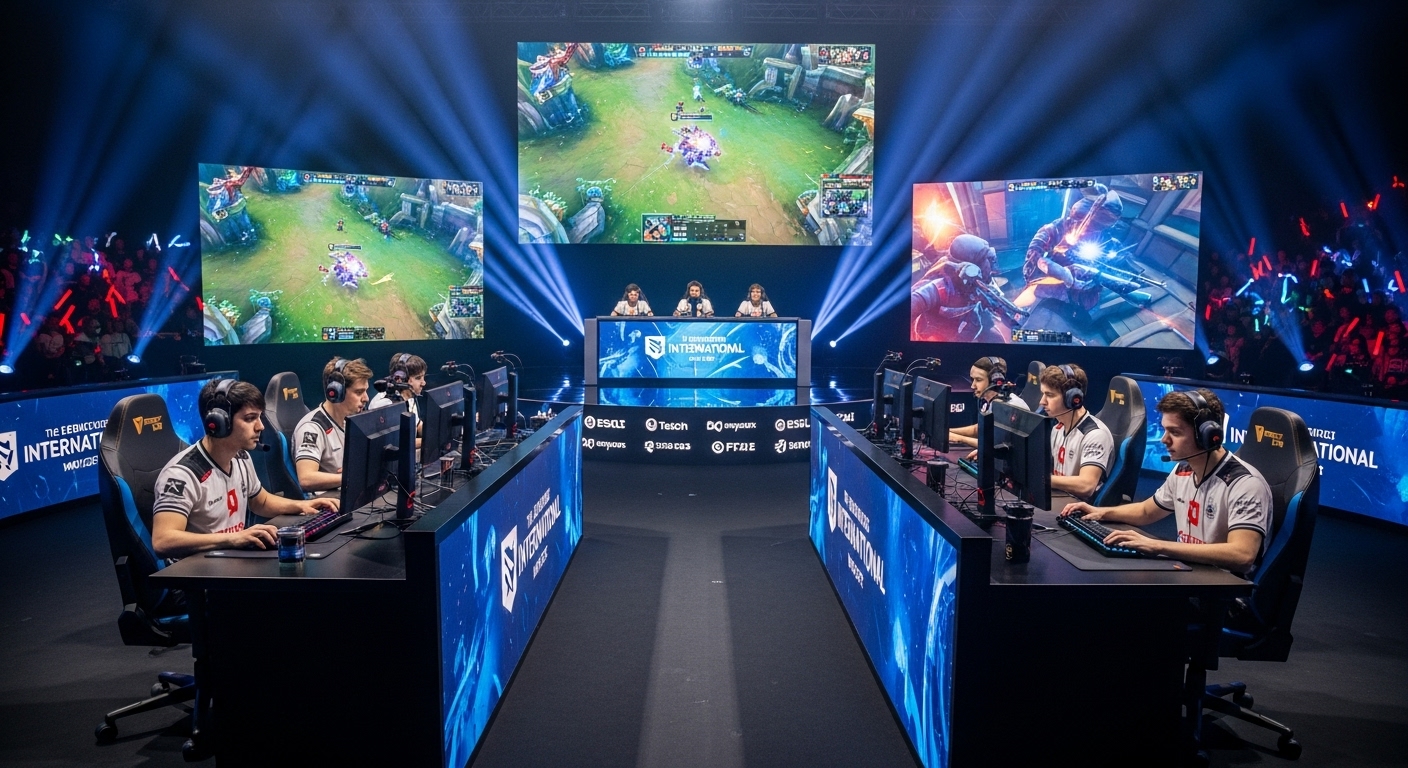
eSports has elevated gaming to a professional and spectator level. Competitive tournaments draw millions of viewers, turning gaming into a globally recognized sport. Professional players achieve celebrity status, and streaming platforms provide careers for content creators. This professionalization has changed the perception of gaming, showing it as both a viable career and a form of artistic expression.
Games also explore complex social and emotional themes. Many titles address identity, ethics, and human relationships, encouraging players to engage critically with narratives. Interactive storytelling allows players to make choices and face consequences, fostering empathy and critical thinking.
The Technology Behind Gaming
Gaming is deeply intertwined with technology. High-performance graphics, advanced processors, and artificial intelligence allow developers to create lifelike worlds and intelligent characters. AI enhances gameplay through adaptive difficulty, dynamic NPC behavior, and procedural content generation, creating experiences that feel alive and responsive.
Virtual reality (VR) and augmented reality (AR) provide new levels of immersion. Motion controls, haptic feedback, and spatial audio make players feel physically present in digital worlds. Cloud gaming further democratizes access, allowing high-quality experiences without expensive hardware.
Technological innovations continue to push the boundaries of what games can achieve. Realistic simulations, interactive storytelling, and open-world exploration are possible because of advances in computing, graphics, and AI. Gaming technology not only entertains but also drives innovation in broader tech industries.
The Psychology of Gaming
Gaming appeals to human psychology in unique ways. Challenges, achievements, and progression systems stimulate the brain, creating a sense of accomplishment and satisfaction. Unlocking levels or completing objectives releases dopamine, encouraging continued engagement.
Social interaction is a key component. Multiplayer games foster teamwork, communication, and cooperation, while role-playing games allow players to explore identity and creativity. For many, gaming provides a form of escapism, offering relief from stress and a chance to immerse in controlled, rewarding environments.
Gaming also enhances cognitive skills. Strategy games, puzzles, and simulations develop problem-solving abilities, critical thinking, and spatial awareness. Players learn to plan, adapt, and make decisions under pressure, combining entertainment with mental exercise.
Gaming Across Platforms: Accessibility and Diversity
Gaming is no longer limited to PCs or consoles. Mobile devices, cloud services, and cross-platform play ensure that games are accessible to a wide audience. Casual gamers can enjoy titles on smartphones, while serious players experience fully immersive games on consoles or VR setups.
Cross-platform play connects players across different devices, fostering inclusive communities. Accessibility features such as customizable controls, colorblind modes, and adaptive technologies ensure that gaming is available to players with disabilities.
Diversity in platforms and game genres allows players to choose experiences that suit their interests. From casual puzzle games to competitive shooters and narrative-driven RPGs, gaming caters to a wide variety of tastes and skill levels.
The Economic Impact of Gaming
Gaming is a multibillion-dollar industry that rivals film and music. Game development, publishing, merchandising, streaming, and eSports contribute significantly to global economic growth. Companies invest in technology, marketing, and community engagement to capture audiences worldwide.
Streaming and content creation provide new revenue opportunities. Professional players and influencers monetize through sponsorships, advertising, and subscriptions. eSports and online communities have created careers that were unimaginable a decade ago.
Gaming also drives innovation in hardware and software development, contributing to job creation and technological advancement. The industry’s financial impact underscores its importance as both entertainment and a driver of economic growth.
Future Trends in Gaming
The future of gaming promises unprecedented immersion and interactivity. Artificial intelligence, procedural content, and real-time rendering will allow worlds to adapt dynamically to player choices. VR and AR will continue to enhance sensory experiences, while haptic feedback and motion tracking deepen physical engagement.
Social gaming will expand through shared virtual spaces, interactive storytelling, and digital economies. Blockchain technology and digital asset ownership may redefine in-game economies, allowing players to trade, collect, and monetize items in new ways.
Cloud gaming and subscription models will further democratize access, allowing anyone with an internet connection to play high-quality games. Gaming will increasingly intersect with education, healthcare, and professional training, demonstrating its value beyond entertainment.
Challenges in Gaming
Despite its growth, gaming faces challenges. Addiction, excessive screen time, and social isolation are ongoing concerns. Balanced gaming habits and digital well-being are essential to ensure positive experiences.
Representation and inclusivity remain critical. Diverse characters, narratives, and communities reflect the global audience and promote positive social impact. Developers must prioritize ethical design, accessibility, and responsible monetization to ensure gaming continues to be inclusive and enriching.
Conclusion: Gaming as a Transformative Force
Gaming has evolved from simple arcade entertainment into a global cultural, technological, and social phenomenon. It inspires creativity, fosters social connection, and drives innovation. From competitive eSports to immersive storytelling, gaming shapes how people interact, communicate, and experience entertainment.
It is more than a pastime; it is a reflection of human imagination, innovation, and the desire to explore new worlds. Every controller press, mouse click, or headset experience is a journey into interactive storytelling, where players influence outcomes and shape experiences.
Gaming is a transformative force, connecting people, advancing technology, and expanding the boundaries of entertainment. It is a universe where imagination meets reality, and every player has the opportunity to write their own story.