Introduction
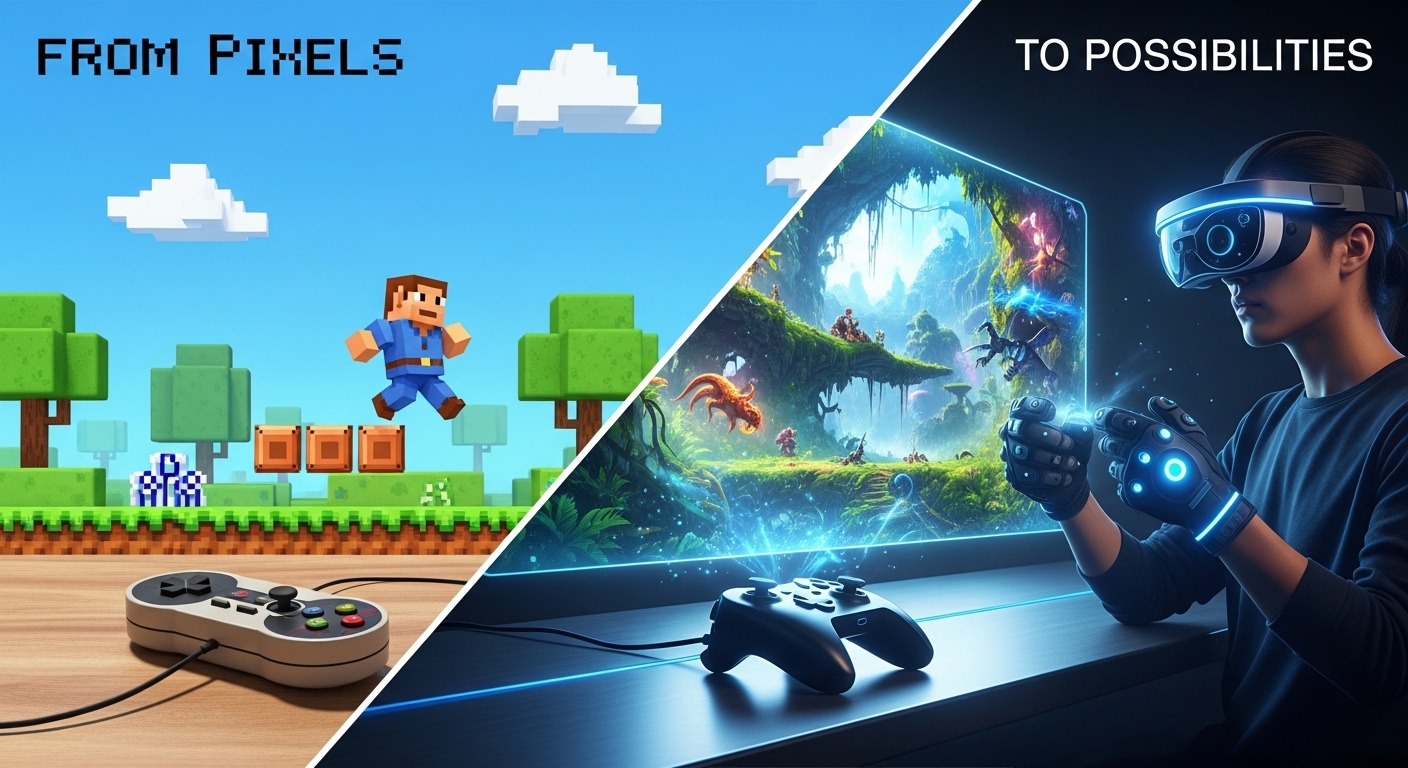
Gaming has evolved into one of the most influential forms of entertainment in the modern world. What started as simple pixelated adventures in arcades and early consoles has grown into a complex ecosystem of immersive experiences, online communities, competitive sports, and creative expression. Gaming is no longer just a hobby; it has become a cultural phenomenon, shaping technology, storytelling, and even education. In this blog, we explore the evolution of gaming, its impact on society, and the limitless possibilities it offers for the future.
The Evolution of Gaming: From Pixels to Immersion
The earliest games were simple in design, featuring basic graphics, limited controls, and straightforward objectives. Despite their simplicity, these games captured the imaginations of players worldwide, proving that fun did not require complexity. Titles from the 1970s and 1980s, though minimalistic by today’s standards, laid the foundation for the gaming industry’s growth.
With advancements in technology, games transitioned from 2D graphics to fully immersive 3D worlds. Modern game engines allow developers to create environments with realistic lighting, physics, and dynamic interactions. Players are no longer passive observers; they step into virtual worlds, exploring expansive landscapes, interacting with complex characters, and engaging in narratives that rival those of movies and novels. This evolution has transformed gaming into a medium where creativity, technology, and storytelling converge.
The Rise of Online Gaming Communities
One of the most transformative developments in gaming has been the rise of online multiplayer experiences. Online games connect millions of players across the globe, creating communities where friendships, rivalries, and collaborations flourish. Multiplayer gaming introduces a social dimension that traditional single-player experiences cannot replicate.
Players often join clans, guilds, or teams, where they strategize, compete, and share knowledge. These communities foster teamwork, communication, and problem-solving skills. Online forums and social hubs allow gamers to exchange ideas, showcase achievements, and support one another, highlighting the social benefits of gaming. Beyond entertainment, gaming has become a platform for connection and community building.
Esports: Gaming as a Competitive Arena
Esports has revolutionized the perception of gaming by turning it into a professional competitive field. Players train rigorously, analyze strategies, and compete in tournaments that attract millions of viewers worldwide. Esports events now rival traditional sports in popularity and organization, offering substantial prize pools, sponsorships, and career opportunities.
Professional esports teams function like sports franchises, complete with coaches, analysts, and support staff. Competitive gaming has inspired young players to pursue careers in gaming, whether as professional players, content creators, or developers. Esports demonstrates how gaming can combine passion, skill, and professionalism, elevating it from casual pastime to global spectacle.
Storytelling in Games: A Medium for Emotion and Imagination
Modern games have become powerful storytelling platforms. Unlike films or books, games allow players to actively shape narratives, making choices that influence outcomes. This interactivity creates a deeply personal experience, where players are not just observers but participants in the story.
Developers use cinematic techniques, immersive soundtracks, and branching narratives to evoke emotion and engagement. Games explore complex themes such as identity, morality, loss, and heroism, offering players meaningful experiences. The ability to inhabit a character, make moral decisions, and experience consequences firsthand distinguishes gaming as a unique narrative art form.
Creativity and Player Agency
One of gaming’s most compelling aspects is its ability to empower creativity. Many modern games allow players to design worlds, customize characters, craft objects, and even create new gameplay systems. Games with modding communities or user-generated content encourage players to innovate and share their creations with others.
This creative freedom transforms players from passive consumers into active contributors. Players can build cities, design quests, develop intricate stories, and experiment with gameplay mechanics. The sense of ownership and personal expression enhances engagement and allows players to leave a lasting impact on the virtual worlds they inhabit.
Mobile Gaming: Expanding Accessibility
The advent of smartphones has made gaming more accessible than ever before. Mobile games offer diverse experiences, from casual puzzles to strategic multiplayer battles, catering to a wide audience. Mobile gaming has democratized access to digital entertainment, allowing people who may not own consoles or computers to participate.
This accessibility has expanded the gaming community and made gaming an everyday activity for millions worldwide. Mobile platforms also enable innovative business models, such as free-to-play games with in-game purchases, ensuring continuous updates and engagement. Gaming has thus become a ubiquitous presence in modern life.
The Impact of Streaming and Content Creation
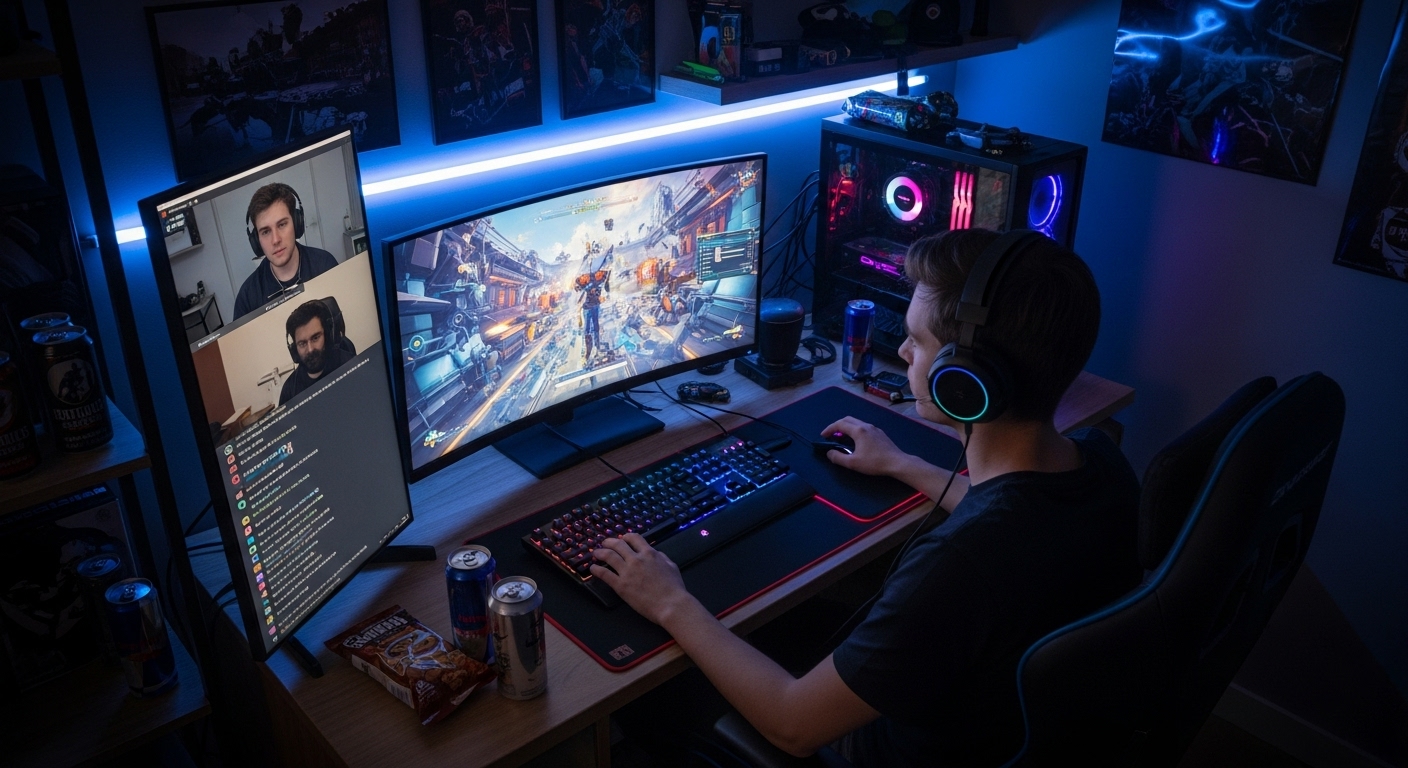
Streaming platforms have transformed gaming into a spectator experience. Millions of viewers watch skilled players, entertaining content creators, and competitive tournaments, creating a new dimension of engagement. Streamers provide entertainment, commentary, and tutorials, fostering vibrant communities.
Content creators influence trends, highlight new games, and contribute to the growth of gaming culture. Their presence demonstrates how gaming has evolved beyond playing into a form of storytelling, performance, and shared social experience. Through streaming, gaming has become a participatory medium that connects creators and audiences in meaningful ways.
Gaming and Cognitive Development
Gaming offers more than entertainment; it can enhance cognitive skills and learning. Puzzle and strategy games improve problem-solving, critical thinking, and planning abilities. Multiplayer games foster communication, collaboration, and decision-making skills. Educational games incorporate subjects such as math, science, and history into engaging challenges, making learning interactive and enjoyable.
Research shows that gaming encourages perseverance, adaptability, and resilience. Players develop the ability to analyze complex scenarios, consider multiple outcomes, and make informed decisions. Gaming demonstrates that entertainment can simultaneously be a platform for skill development and personal growth.
Virtual Reality and the Future of Gaming
Emerging technologies like virtual reality (VR) and augmented reality (AR) are expanding the possibilities of gaming. VR allows players to immerse themselves fully in game worlds, interacting with environments and characters in ways that traditional screens cannot replicate. AR blends digital elements with real-world surroundings, creating experiences that extend beyond conventional gameplay.
Cloud gaming is another innovation that promises to eliminate hardware barriers, making high-quality games accessible on a variety of devices. As technology advances, gaming will continue to evolve, offering experiences that are increasingly immersive, interactive, and creative. The future of gaming promises to blur the line between reality and imagination.
Gaming as a Cultural Phenomenon
Gaming has grown into a cultural force that influences art, music, storytelling, and social trends. It provides platforms for self-expression, collaboration, and exploration. Many games address important societal issues, spark dialogue, and inspire creativity in other mediums.
Moreover, gaming promotes diversity and inclusion by representing a wide array of characters, stories, and experiences. Players from different backgrounds can engage, collaborate, and learn from one another, highlighting gaming’s potential to foster empathy and understanding. Gaming has become a lens through which modern culture and human interaction can be explored.
Conclusion
Gaming has grown from simple entertainment into a multifaceted cultural, social, and creative phenomenon. It empowers players to explore new worlds, develop skills, express creativity, and connect with others globally. From immersive narratives and competitive esports to mobile accessibility and VR innovation, gaming continues to push boundaries and redefine what play can mean.
As technology and creativity advance, gaming will remain at the forefront of entertainment and cultural expression. It is more than a pastime; it is a medium that inspires, connects, and transforms. The infinite universe of gaming proves that the possibilities of digital play are limited only by imagination, making it a defining element of modern life.