Introduction: A New Era of Digital Worlds
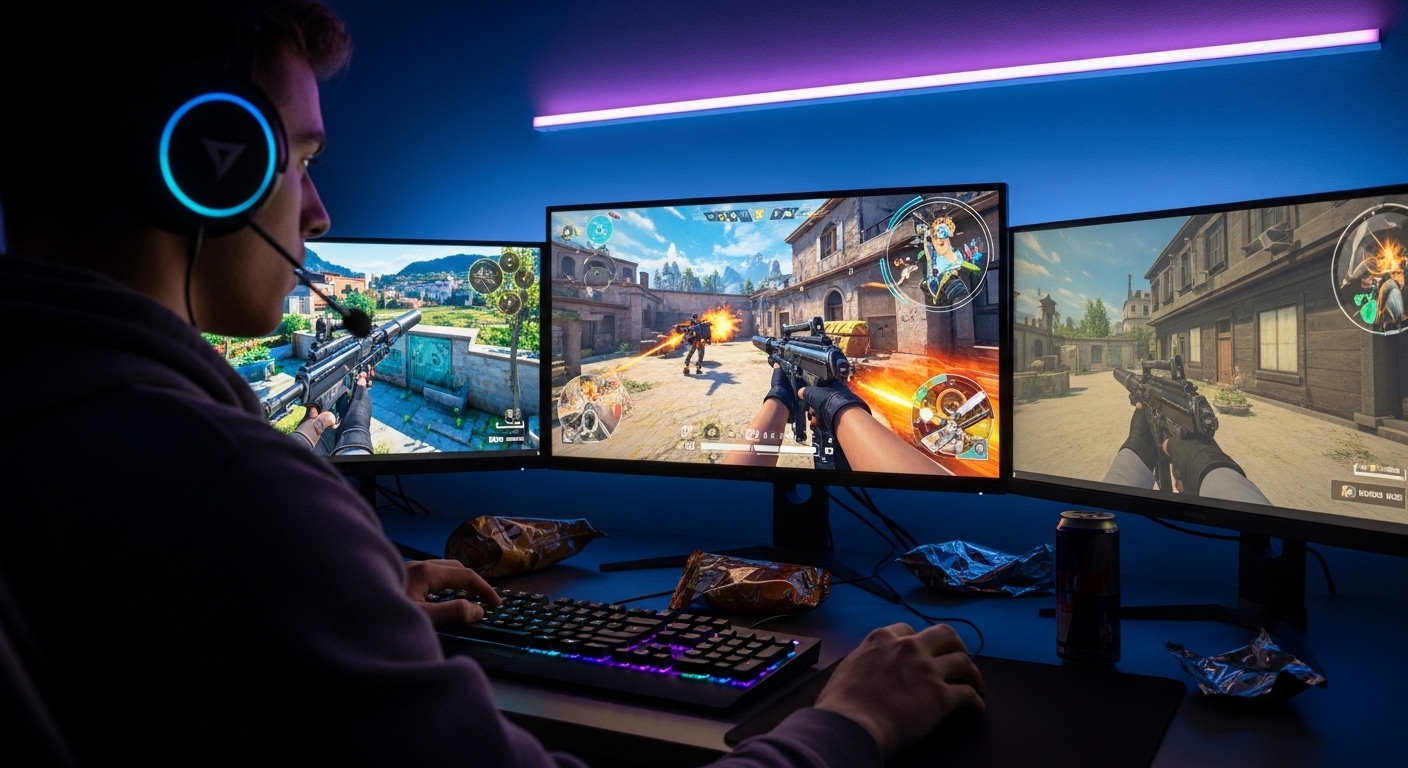
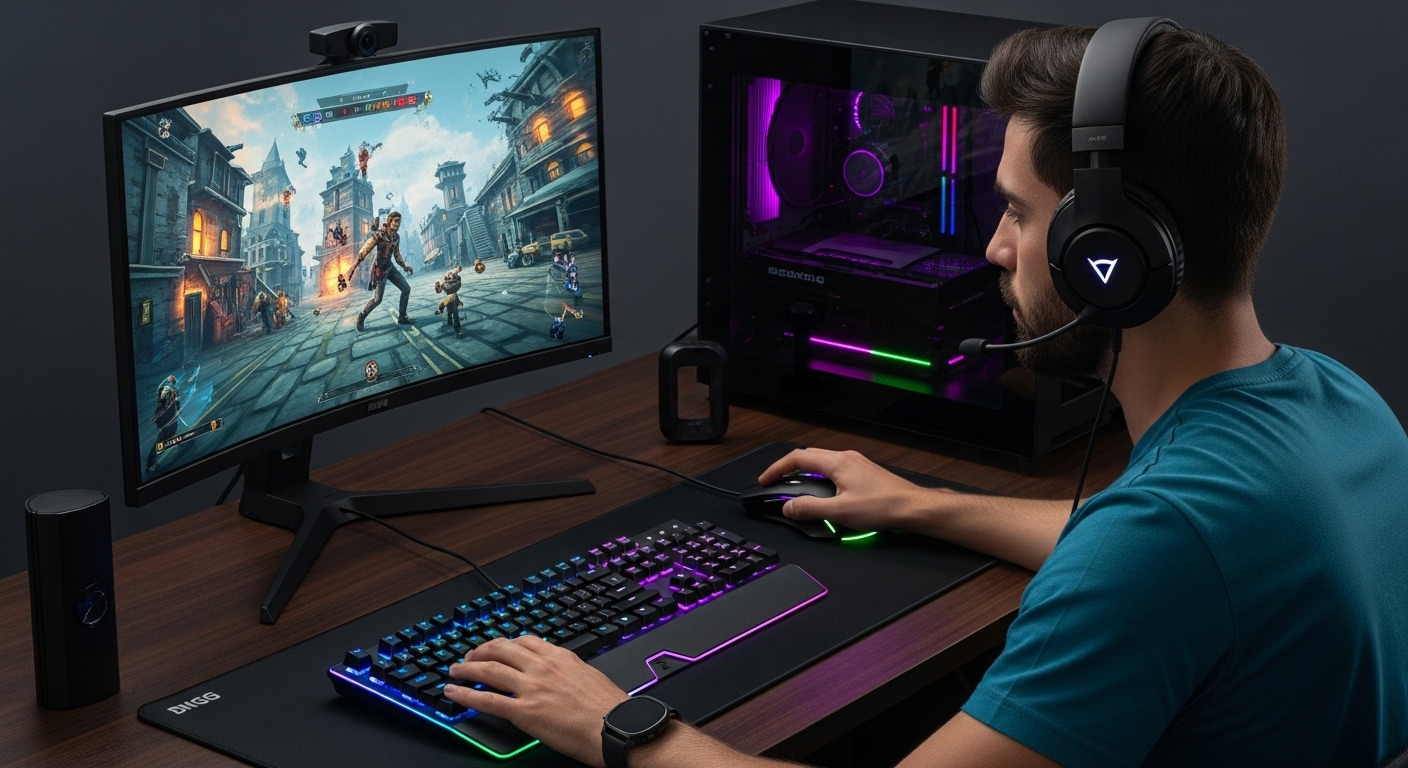
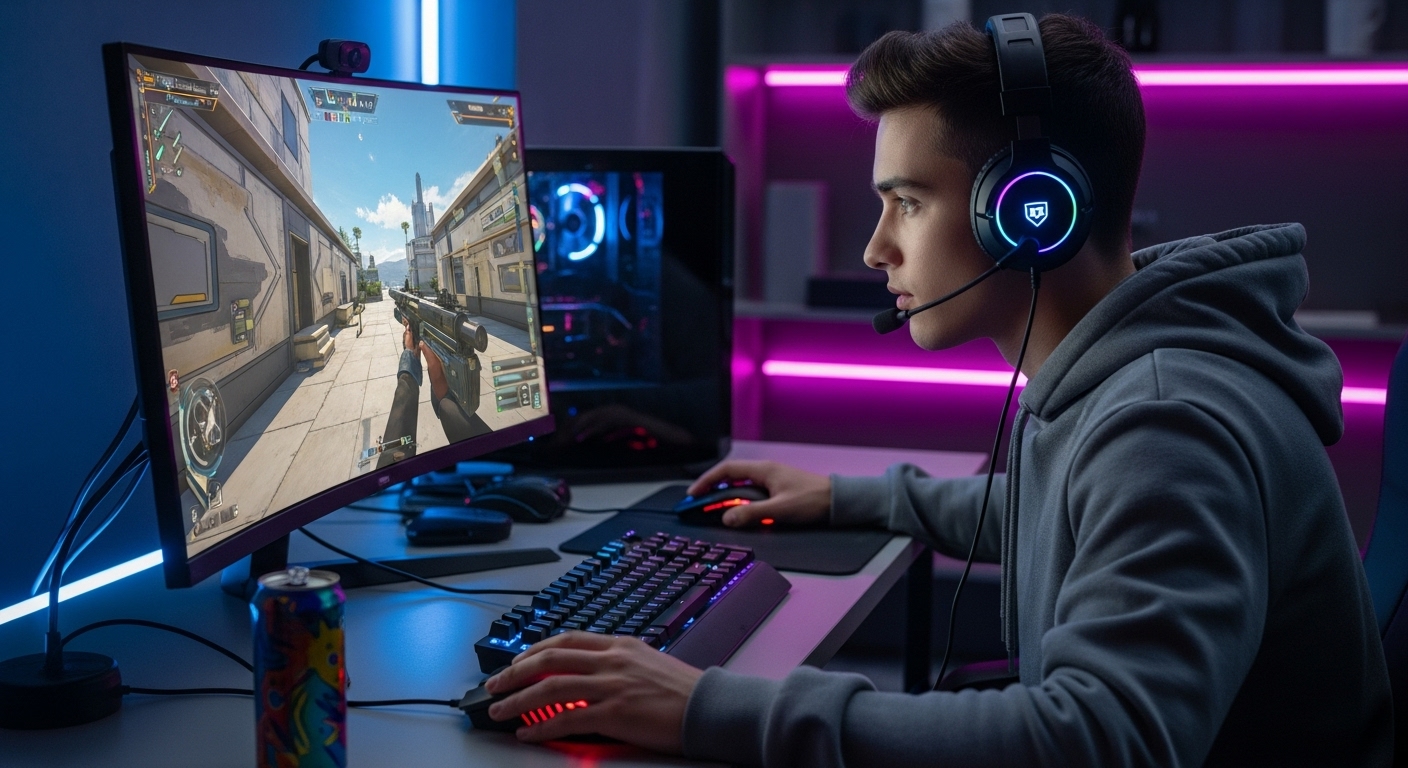
Gaming today is no longer a hobby tucked into the corners of teenage bedrooms. It has become a global culture, a social lifeline, an art form, and an economic powerhouse. Over the past two decades, the gaming landscape has transformed dramatically, moving from simple pixelated screens to immersive universes that mirror the richness of the real world. This silent evolution has reshaped the way we entertain ourselves, connect with others, and even perceive technology. In this blog, we explore how gaming has grown into a multifaceted experience and why it continues to influence our digital lives in profound ways.
The Rise of Interactive Storytelling
Gone are the days when games were built solely around high scores and quick reflexes. Modern gaming thrives on narrative depth, emotional arcs, and complex characters. Today’s players step into the shoes of heroes, villains, wanderers, and survivors whose stories rival those found in literature and cinema. This evolution in storytelling has allowed gamers to experience empathy through play, making decisions that shape entire worlds. The interactivity of these stories magnifies their impact, offering an engagement level traditional media can hardly match.
The Social Shift: From Solo Play to Global Communities
One of the most significant transformations in gaming is the shift from solitary play to global connectivity. Multiplayer experiences, once limited to a handful of arcade machines or couch co-op sessions, now connect millions of players across continents. Gamers build friendships, form guilds, and compete in international tournaments without ever meeting in person. These digital communities thrive on cooperation, communication, and shared passions. For many people, online games have become safe spaces where they can express themselves freely, find belonging, and nurture real relationships.
The Competitive Arena: Esports as a Global Phenomenon
Esports has grown from a niche interest into a full-fledged professional industry. What began as small gatherings in local venues has become a global spectacle with packed arenas, professional athletes, sponsorships, and massive prize pools. The rise of esports demonstrates how gaming has transformed into a respected pursuit that demands discipline, strategy, and skill. The professionalization of competitive gaming has also inspired new career paths, from coaches and analysts to event organizers and commentators. For countless young players, what was once a dream is now a tangible opportunity.
The Power of Immersion: Virtual Reality and Beyond
Few technologies have pushed the boundaries of gaming as dramatically as virtual reality. VR transports players into fully realized environments where they can touch, move, and interact in ways traditional controllers could never achieve. The emotional and sensory immersion of VR games has opened new possibilities for storytelling, exploration, and creativity. As technology continues to advance, augmented reality and mixed reality promise to blend digital and physical worlds even further, creating experiences that feel intuitive and deeply personal.
The Creative Revolution: Gaming as a Tool for Self-Expression
While gaming was once purely a consumer experience, today it has become a platform for creativity. Game development tools and sandbox experiences allow players to design worlds, build structures, and script their own narratives. Whether through level design, character creation, or user-generated mods, players are increasingly shaping the games they love. This creative engagement has inspired a new generation of developers who discovered their passion through the very games they played. Gaming has become not just entertainment, but a gateway to artistic expression.
The Broader Impact: Gaming in Education and Work
Outside the realm of entertainment, gaming has found valuable applications in education and professional training. Teachers use game-based learning to make lessons interactive and engaging, helping students grasp complex concepts through play. Simulations and serious games assist medical students, pilots, and engineers in practicing real-world scenarios safely. The principles of gaming have even influenced workplace design, encouraging collaboration, problem-solving, and motivation through gamified systems. The skills learned through gaming—strategic thinking, teamwork, adaptability—can translate powerfully to real-life situations.
The Changing Player Demographic: Gaming for Everyone
As the industry has grown, so has its audience. Gaming is no longer associated with a narrow demographic. People of all ages, backgrounds, and identities are now active participants in the gaming world. Mobile gaming has opened the door for casual players, while narrative-rich titles appeal to those seeking emotional resonance. Inclusive design has also made games more accessible, ensuring that more people can experience the joy of play. This diversity has enriched gaming culture, bringing new perspectives and stories into the spotlight.
The Emotional Connection: Why Gaming Resonates Deeply
At its core, gaming succeeds because it evokes emotion. Whether it is the thrill of victory, the tension of survival, the warmth of companionship, or the sting of loss, games allow us to feel deeply. They offer a safe space to explore our identities, confront challenges, and experience triumphs. In an increasingly hectic world, gaming provides moments of escapism, relaxation, and joy. It reminds us of the simple pleasure of play—a fundamental human experience that transcends age.
The Responsibility of the Industry: Ethics and Future Directions
With great influence comes great responsibility. As gaming continues to expand, developers and industry leaders face ongoing challenges, including representation, online safety, and ethical monetization. The path forward requires transparency, innovation, and a commitment to player wellbeing. Fortunately, many studios are embracing these values, creating accessible environments, tackling toxicity, and designing experiences with care and intention. The future of gaming depends on nurturing a culture that values community, respect, and creativity.
The Future of Play: What Awaits the Next Generation
As technology evolves, so will the nature of gaming. Artificial intelligence, cloud computing, and hyper-realistic graphics promise experiences once thought impossible. Games may become more personalized, adapting to our preferences and emotions. The boundary between reality and virtual worlds will continue to blur, turning everyday environments into playgrounds of imagination. Yet no matter how advanced gaming becomes, its heart will remain the same: a celebration of curiosity, creativity, and connection.
Conclusion: The Everlasting Magic of Gaming
Gaming’s evolution has been quiet but powerful, shaping not only our digital lives but also our understanding of community, creativity, and identity. It has grown from simple arcade cabinets into vast universes that reflect the complexity of human experience. As we look toward the future, one thing remains certain: gaming will continue to inspire, challenge, and unite us. In its own unique way, it will always remind us that play is more than entertainment. It is a way of seeing the world, understanding ourselves, and connecting with others—an art form that continues to evolve alongside us.