The gaming industry has grown from a niche hobby to a global cultural force, shaping not only the entertainment world but also influencing technology, social interaction, and even sports. What was once a simple pastime confined to arcades and living rooms has now become a multi-billion-dollar industry that spans continents and cultures. Whether through immersive virtual realities, competitive esports, or mobile games that anyone can pick up on the go, gaming is no longer just for “gamers”—it’s for everyone. Let’s explore how gaming has evolved and its profound impact on modern society.
The Evolution of Gaming: From Pixels to Art
The journey of video games began with simple, pixelated graphics and basic gameplay mechanics. In the 1970s and 1980s, arcade machines like “Pong” and “Space Invaders” drew crowds into dimly lit rooms, where players vied for high scores and bragging rights. These early games laid the groundwork for what would become a global phenomenon, even though they were far from the sophisticated, immersive experiences we see today.
The introduction of home consoles in the 1980s, such as the Atari 2600 and the Nintendo Entertainment System (NES), allowed players to experience games in their own homes. The 1990s saw the rise of 3D graphics and games like “Super Mario 64” and “The Legend of Zelda: Ocarina of Time,” which pushed the boundaries of game design and storytelling. Graphics became more realistic, worlds expanded, and characters grew more detailed, signaling the transformation of video games into an art form. Today, games like “The Last of Us Part II” and “Red Dead Redemption 2” offer cinematic experiences that rival blockbuster films, blending rich narratives with cutting-edge visuals and gameplay.
The Social Shift: Gaming as a Community
In the early days, gaming was often a solitary activity, but that changed with the rise of online multiplayer games in the early 2000s. Games like “World of Warcraft,” “Halo 2,” and “Call of Duty” introduced the concept of playing with friends—and strangers—across the globe, all from the comfort of your own home.
This shift sparked the growth of online gaming communities, where players could connect, collaborate, and compete in ways that were previously impossible. Platforms like Xbox Live, PlayStation Network, and Steam made it easy for gamers to communicate, join multiplayer matches, and share content. Suddenly, gaming became more social, with players joining guilds, participating in tournaments, or simply chatting with friends while playing.
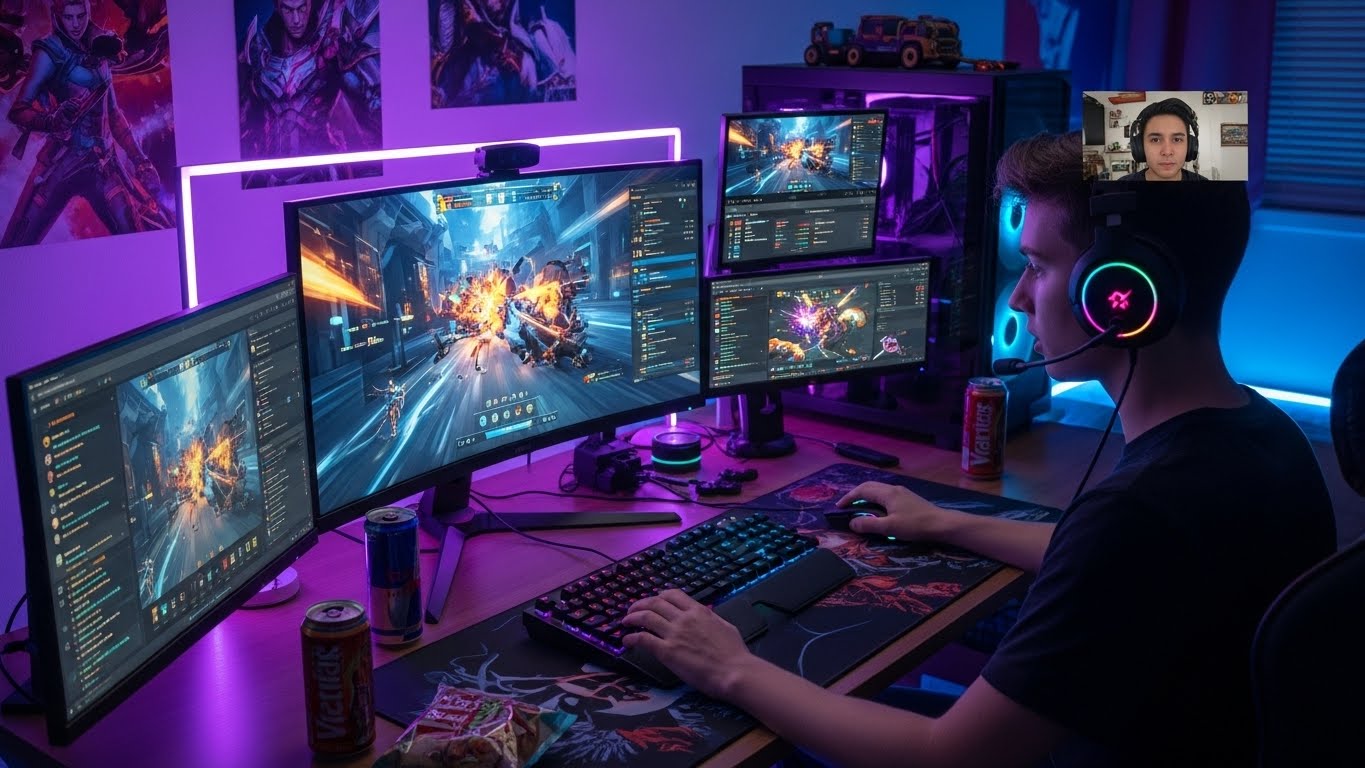
Social interaction in gaming has since evolved beyond just online play. Streaming platforms like Twitch and YouTube have turned gaming into a spectator sport, where millions of viewers tune in to watch professional players, streamers, and even casual gamers share their experiences. Gaming communities have become vibrant ecosystems where fans and creators interact, share content, and celebrate the culture of gaming together.
Mobile Gaming: Bringing Games to the Masses
The advent of smartphones revolutionized gaming in ways that no one could have predicted. Suddenly, anyone with a mobile device had access to a vast library of games, ranging from simple puzzles to complex strategy games. Titles like “Angry Birds,” “Candy Crush,” and “Pokémon Go” became household names, attracting players who may have never picked up a traditional gaming console.
Mobile gaming has made it easier for people to play anywhere and anytime, whether during a commute, on a lunch break, or while waiting for an appointment. The accessibility of mobile games has expanded the audience of gamers to include people of all ages, backgrounds, and interests. Even big-budget franchises like “Fortnite” and “PUBG” have made their way to mobile devices, proving that gaming doesn’t need a dedicated console or PC to thrive.
Mobile gaming has also ushered in the era of “microtransactions” and “freemium” models, where players can enjoy games for free but may choose to purchase in-game items or upgrades. This model has been both lauded for making games accessible to all and criticized for its potential to encourage spending. However, it’s undeniable that mobile gaming has broadened the reach of gaming culture to new audiences, particularly in emerging markets where traditional gaming consoles may not be as accessible.
The Emergence of Esports: Gaming as a Competitive Spectacle
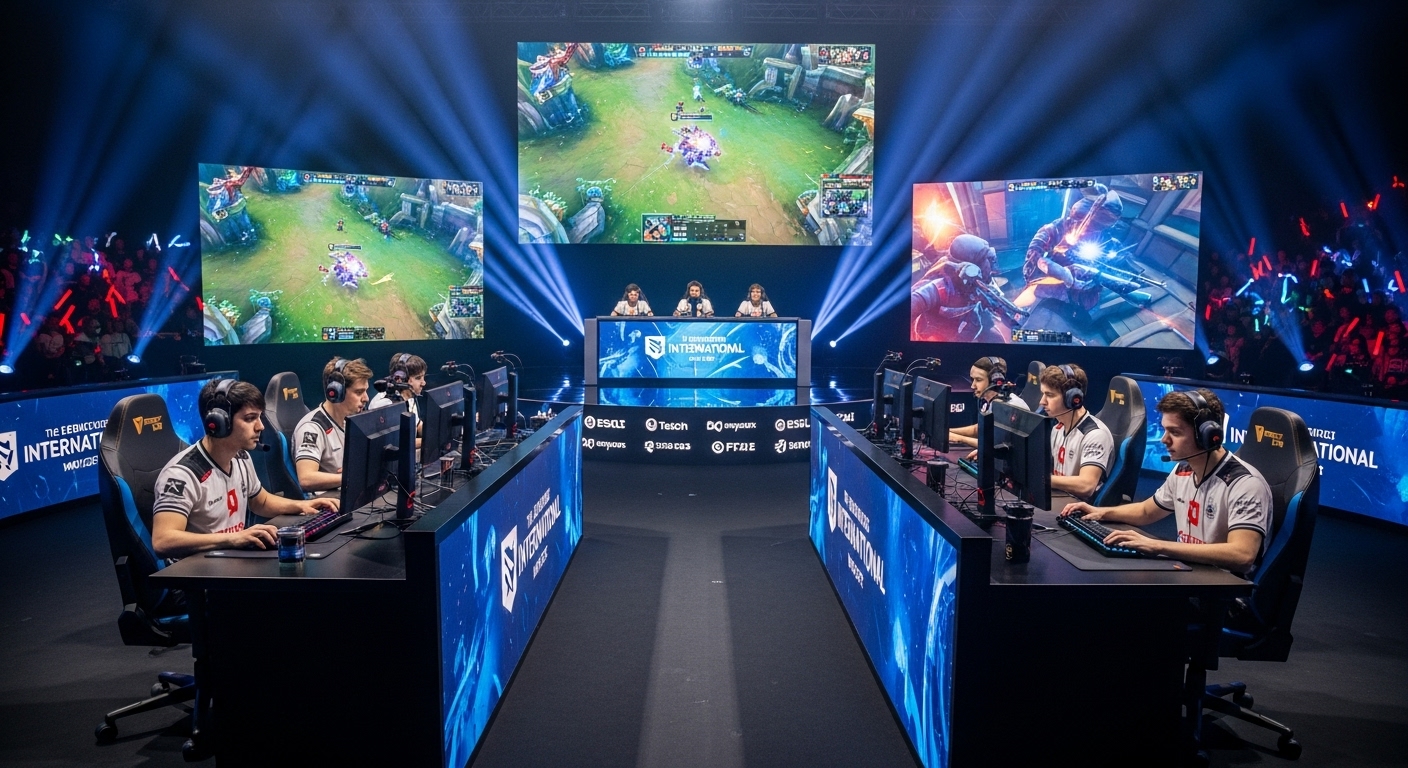
What was once considered a casual hobby has now become a full-fledged sport. Esports, or competitive gaming, has exploded in popularity, with professional players, teams, and tournaments attracting massive audiences. Games like “League of Legends,” “Dota 2,” and “Counter-Strike: Global Offensive” have become household names in the world of competitive gaming, with players competing for multi-million-dollar prize pools.
Esports has turned gaming into a spectator sport, with global tournaments broadcasted on platforms like Twitch, YouTube, and even mainstream TV networks. The 2018 “League of Legends” World Championship, for example, drew more than 100 million viewers worldwide, rivaling major sporting events like the Super Bowl in terms of viewership.
What makes esports unique is its accessibility. Unlike traditional sports, anyone with a computer or gaming console can potentially compete at the highest level, regardless of physical ability. This has created a new, diverse world of athletes—often younger, more global, and more tech-savvy than traditional athletes.
Esports is not only a form of entertainment but also a legitimate career path for many. Professional gamers can make a living through sponsorships, prize money, and streaming, while esports teams have become as organized and popular as traditional sports teams. The rise of collegiate esports and even esports scholarships is further solidifying gaming’s place in the global cultural landscape.
Virtual Reality and Augmented Reality: The Future of Immersive Gaming
While mobile games and esports continue to grow, the next frontier of gaming lies in immersive technologies like Virtual Reality (VR) and Augmented Reality (AR). VR headsets such as the Oculus Rift and PlayStation VR allow players to step into fully realized virtual worlds, where they can interact with environments and characters in a way that traditional gaming can’t match.
VR offers an unparalleled sense of immersion, allowing players to experience games from a first-person perspective, making it feel as though they’re actually living within the game. Titles like “Half-Life: Alyx” and “Beat Saber” have showcased the potential of VR in creating engaging, interactive experiences that push the boundaries of gaming.
On the other hand, Augmented Reality (AR) overlays digital content onto the real world, creating hybrid experiences that blend reality and imagination. The success of “Pokémon Go” demonstrated the power of AR gaming, encouraging players to get outside and explore their surroundings while interacting with virtual creatures. As AR technology improves, we can expect to see more games that merge the physical and digital worlds in exciting ways.
Gaming and Storytelling: The Art of Narrative
One of the most significant shifts in modern gaming is the growing emphasis on storytelling. While early games focused primarily on gameplay, today’s games often place just as much importance on narrative, character development, and emotional depth. Games like “The Witcher 3: Wild Hunt,” “Horizon Zero Dawn,” and “God of War” are often hailed as masterpieces not just for their gameplay but for their ability to tell compelling, emotionally resonant stories.
Video games have the unique ability to immerse players in stories in ways that movies or books cannot. By placing the player in the role of the protagonist, games create a more personal and interactive form of storytelling. Choices made in the game can affect the plot, characters, and outcomes, creating a sense of agency that is rarely seen in other forms of media.
As gaming technology continues to advance, so too will the sophistication of storytelling. With better graphics, more complex narratives, and even branching storylines influenced by artificial intelligence, the future of gaming as a storytelling medium looks incredibly promising.
Conclusion: The Ongoing Revolution of Gaming
Gaming is no longer just a form of entertainment; it has evolved into a cultural powerhouse that influences how we socialize, compete, and experience the world around us. With the growth of online communities, mobile gaming, esports, and immersive technologies like VR and AR, gaming has become a truly global phenomenon.
As technology continues to advance, the possibilities for gaming are endless. From groundbreaking narratives to immersive virtual experiences, gaming will continue to push the boundaries of what’s possible in entertainment. Whether you’re a casual mobile gamer, a competitive esports enthusiast, or someone who loves to explore new digital worlds, one thing is clear: gaming is here to stay, and its influence on modern culture will only continue to grow.