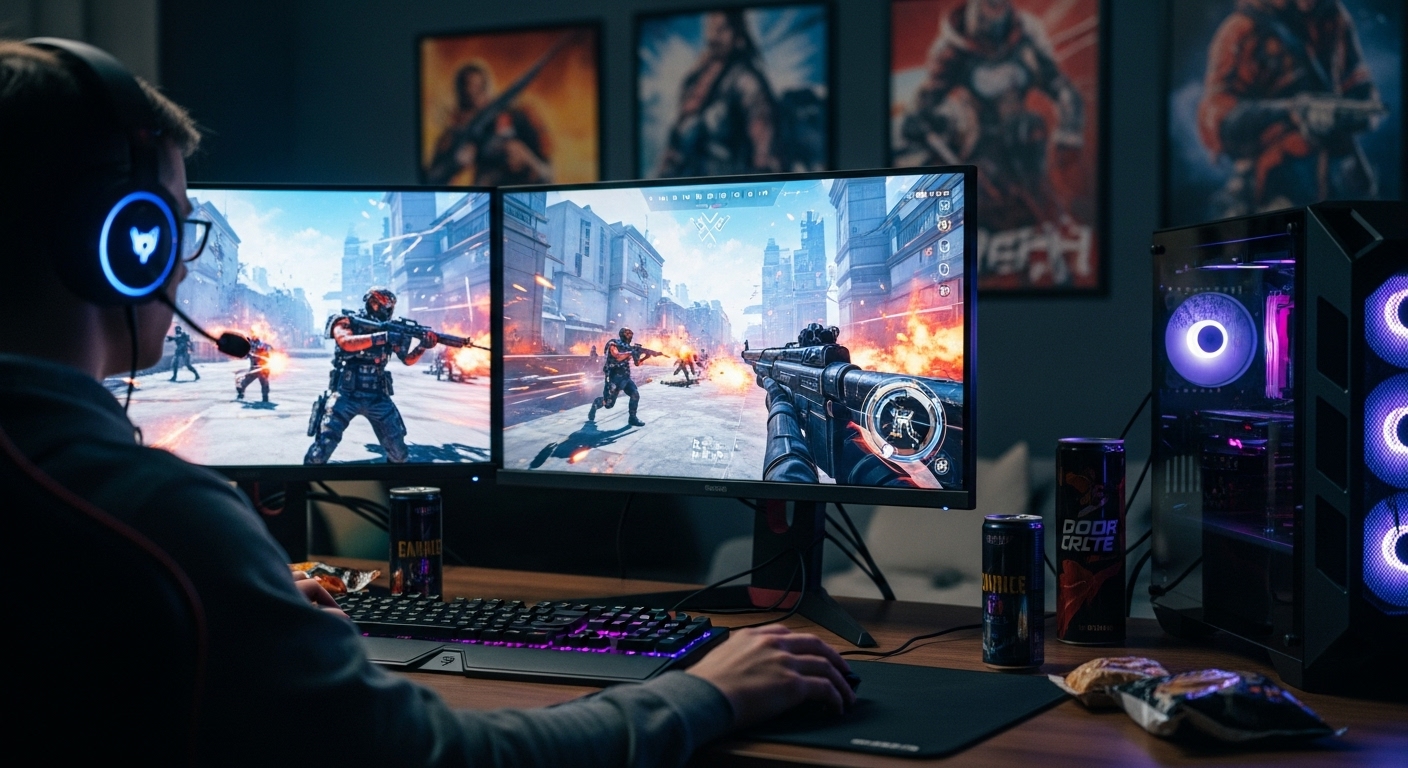
Gaming has come a long way since the days of simple arcade machines and pixelated graphics. Today, it’s a thriving global industry that goes far beyond just entertainment. Whether you’re battling through a first-person shooter, exploring an open-world fantasy, or interacting with millions of players online, gaming has transformed into an immersive, multi-dimensional experience. In this blog post, we will dive deep into the evolution of gaming, exploring how it has transformed from a niche hobby into a cultural force and what the future holds for this ever-evolving landscape.
The Humble Beginnings: Birth of Video Games
The history of gaming dates back to the 1950s and 1960s when computers and simple programming languages were used to create the earliest video games. The first true video game, Tennis for Two, appeared in 1958 on an oscilloscope screen, but it was Pong, released in 1972 by Atari, that made gaming popular. Pong was a basic table-tennis game with two paddles and a bouncing ball, and it quickly became a sensation in arcades. Its success led to the creation of the first home video game console, the Atari 2600, in 1977, bringing gaming into the living rooms of everyday people.
Early games like Space Invaders, Pac-Man, and Donkey Kong dominated arcades in the late 70s and early 80s, creating a foundation for the gaming culture we know today. These games were characterized by simple mechanics and pixelated graphics, but they were addictive and fun, drawing people of all ages into the arcade world. This era marked the birth of gaming as an entertainment industry, though it was still a far cry from the immersive experiences we have today.
The 80s and 90s: Console Wars and the Rise of Gaming Culture
The 1980s and 90s ushered in a new wave of innovation, with home consoles becoming more advanced and games becoming more complex. Nintendo, a company that had made a name in the toy industry, launched the Nintendo Entertainment System (NES) in 1985, revolutionizing the gaming industry. Games like Super Mario Bros. and The Legend of Zelda helped solidify Nintendo’s place in gaming history, providing new levels of storytelling, exploration, and player engagement. This era marked the beginning of iconic gaming franchises that still dominate the industry today.
The rivalry between Nintendo and Sega, which began in the 1990s, ignited what we now call the “console wars.” Sega’s Genesis console challenged Nintendo’s dominance, bringing popular games like Sonic the Hedgehog into the spotlight. Meanwhile, the rise of PCs as a gaming platform also began to gain momentum during this period. Titles like Doom and Warcraft introduced players to new genres, such as first-person shooters and real-time strategy games. The 90s also witnessed the debut of Sony’s PlayStation, which offered impressive 3D graphics and exclusive titles like Final Fantasy VII and Metal Gear Solid.
With advancements in graphics, audio, and processing power, the 90s saw the transition from simple 2D games to more complex 3D environments, which laid the groundwork for the vast open worlds we experience today. The increase in console power also allowed for multiplayer gaming to take off, with games like GoldenEye 007 and Mario Kart 64 providing opportunities for friends to play together in person.
The 2000s: Online Play and the Birth of Modern Gaming
By the early 2000s, gaming had evolved significantly, with the introduction of online multiplayer features, 3D graphics, and cinematic storytelling. Sony’s PlayStation 2, Microsoft’s Xbox, and Nintendo’s GameCube ushered in a new generation of gaming that was focused on high-quality graphics, expansive worlds, and connected experiences. The PlayStation 2’s success was fueled by games like Grand Theft Auto: San Andreas and Gran Turismo 3, which pushed the boundaries of what gaming could be.
During this time, online multiplayer gaming began to change the way people interacted with games. Titles like Halo 2 and World of Warcraft allowed gamers to connect to the internet and play with others around the world, creating a massive online community. This era marked the birth of online gaming as we know it today, where players could interact, team up, or battle against each other in real time.
The Xbox Live service, launched in 2002, became a major catalyst for online console gaming, allowing players to compete in multiplayer matches and even communicate through voice chat. The growth of PC gaming also saw the rise of platforms like Steam, which revolutionized the way games were distributed, allowing gamers to purchase and download games directly to their computers.
Additionally, this era saw the rise of casual gaming, with mobile games like Angry Birds and FarmVille attracting millions of new players who weren’t necessarily hardcore gamers but enjoyed playing games for short bursts. These games democratized gaming, reaching a broader audience beyond the traditional gaming community.
The 2010s: The Explosion of Esports, Streaming, and Indie Games
The 2010s marked a monumental shift in the gaming world, with a convergence of several key trends that would define the next era of gaming. The rise of esports, game streaming, and the indie game movement were just some of the defining characteristics of this decade.
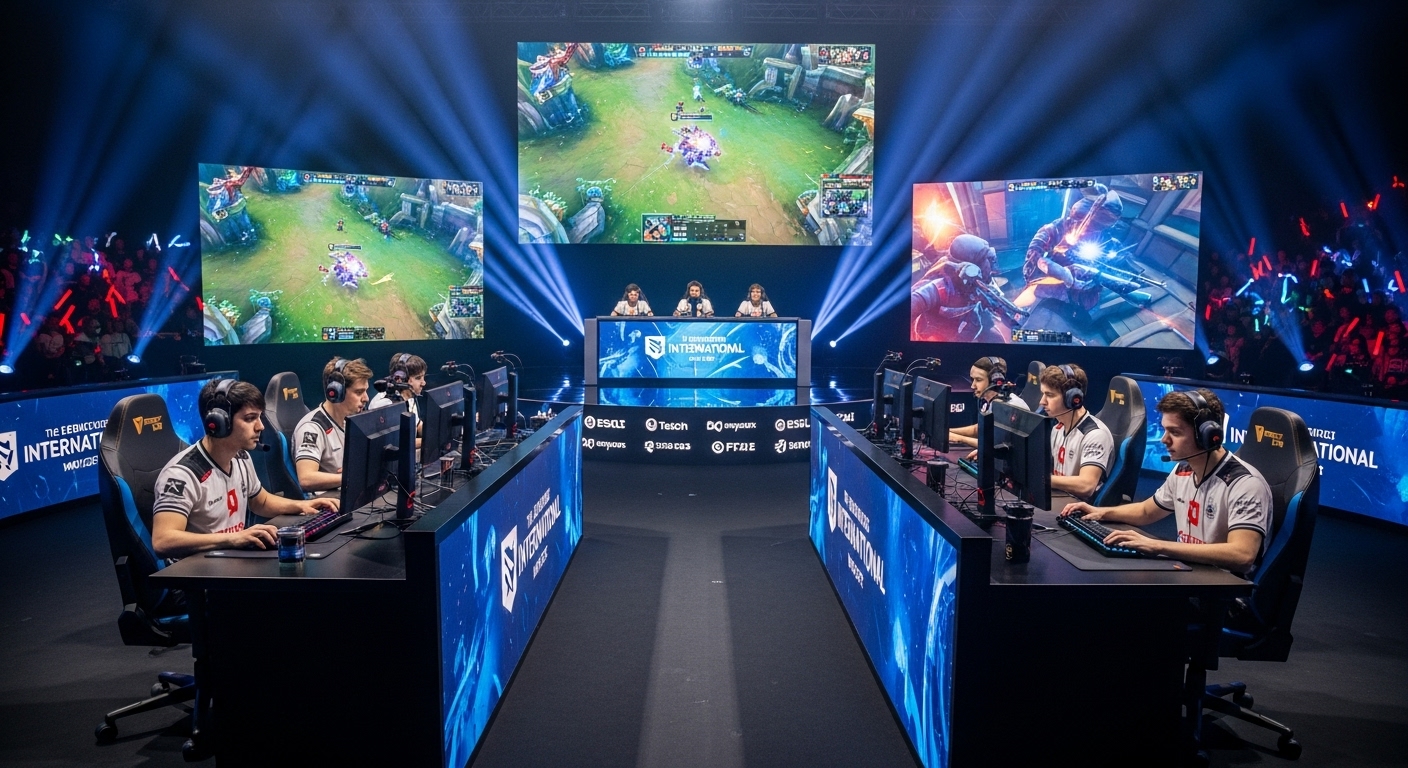
Esports, or competitive gaming, saw explosive growth in the 2010s. Games like League of Legends, Dota 2, Overwatch, and Counter-Strike: Global Offensive became staples of the esports scene, with professional leagues, sponsorships, and tournaments offering prize pools worth millions of dollars. Esports transformed gaming from a hobby into a career path, with professional gamers achieving celebrity status and millions of viewers tuning in to watch live competitions. The rise of streaming platforms like Twitch made it easier than ever for gamers to broadcast their gameplay to the world, creating a new form of entertainment where viewers could interact with their favorite streamers in real time.
Indie game development also flourished in the 2010s, as platforms like Steam and Kickstarter gave smaller developers the tools and resources to create and release games on their own terms. Indie games like Minecraft, Undertale, Stardew Valley, and Hollow Knight became cultural sensations, showing that innovative, unique games didn’t need big budgets or massive marketing campaigns to succeed. These games focused on creativity, storytelling, and player-driven experiences, offering something new and fresh to the gaming world.
This era also saw the rise of live-service games like Fortnite, Destiny 2, and Apex Legends, which introduced a new model of ongoing updates and seasonal content, keeping players engaged long after the initial release. These games often featured battle passes, microtransactions, and regular content updates, creating a dynamic and ever-evolving gaming experience.
The Present and Beyond: Virtual Reality, Cloud Gaming, and the Metaverse
As we enter the 2020s, gaming is more advanced than ever before, with cutting-edge technology transforming how games are played and experienced. One of the most exciting innovations in the gaming world today is virtual reality (VR). With headsets like the Oculus Rift, HTC Vive, and PlayStation VR, gamers can immerse themselves in fully realized 3D worlds. VR allows for a level of immersion that traditional screens cannot, offering a truly first-person experience that is revolutionizing how games are designed and played.
Cloud gaming is another development that promises to shape the future of the industry. Services like Xbox Cloud Gaming and Google Stadia (although the latter was discontinued) allow players to stream games directly to their devices without the need for powerful hardware. This opens up gaming to a wider audience, enabling people to play high-quality games on their smartphones, tablets, or low-end PCs. With the continued advancement of internet infrastructure, cloud gaming has the potential to make gaming more accessible than ever before.
Another major trend is the rise of the metaverse—an interconnected virtual universe where players can socialize, explore, and create. Companies like Meta (formerly Facebook) and Epic Games are heavily investing in the development of virtual worlds where users can interact in immersive environments. While the concept of the metaverse is still in its early stages, it represents a future where gaming is just one part of a larger digital ecosystem.
Conclusion: The Ever-Evolving Future of Gaming
The gaming world has evolved far beyond the simple games of the past. From the early days of arcade machines to the rise of online multiplayer gaming and virtual reality, gaming has continually pushed the boundaries of technology and creativity. Today, gaming is a global cultural phenomenon that brings people together, fosters communities, and provides unique experiences.
Looking ahead, the future of gaming promises even more exciting developments. As technology advances, we can expect even greater immersion, more interconnected experiences, and innovative ways to play. Whether through VR, cloud gaming, esports, or the metaverse, the possibilities for gaming are limitless.
Gaming isn’t just about playing; it’s about experiencing new worlds, connecting with others, and challenging yourself in ways that weren’t possible just a few decades ago. The world of gaming is still evolving, and it’s clear that the best is yet to come. So, whether you’re a casual player or a professional gamer, it’s an exciting time to be part of this ever-growing industry.