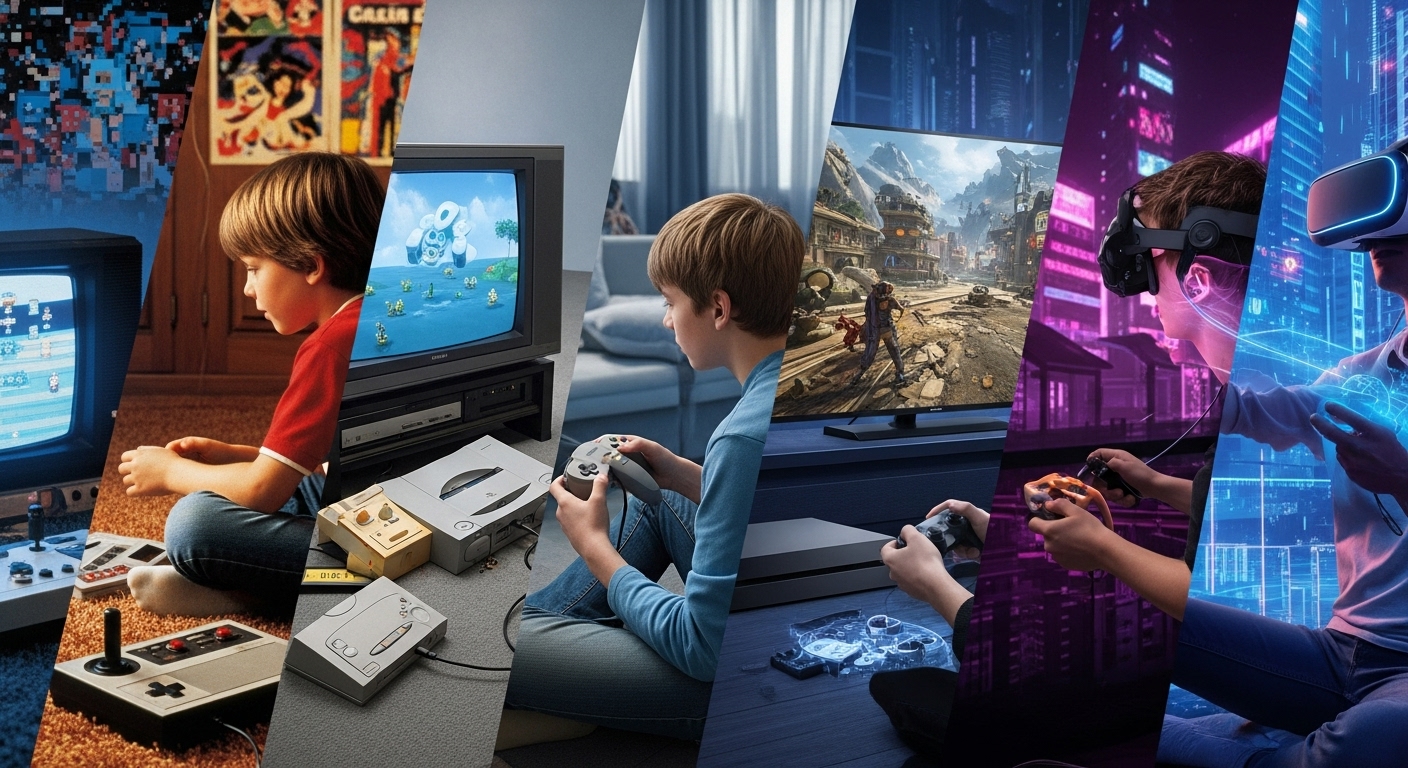
Gaming has evolved from a simple pastime to a multi-faceted industry that influences entertainment, culture, technology, and even social interactions. What began as pixelated adventures on early consoles has transformed into immersive worlds, complex narratives, and competitive esports arenas. Modern gaming is no longer limited to fun; it enhances skills, creates communities, and drives innovation in technology. Understanding its growth and impact provides insight into why gaming has become a global phenomenon.
The Evolution of Gaming
The history of gaming dates back to the 1970s with arcade games like Pong and Space Invaders, which introduced the concept of interactive entertainment. The 1980s and 1990s saw the emergence of home consoles such as the NES, Sega Genesis, and PlayStation, creating a more personal and accessible gaming experience.
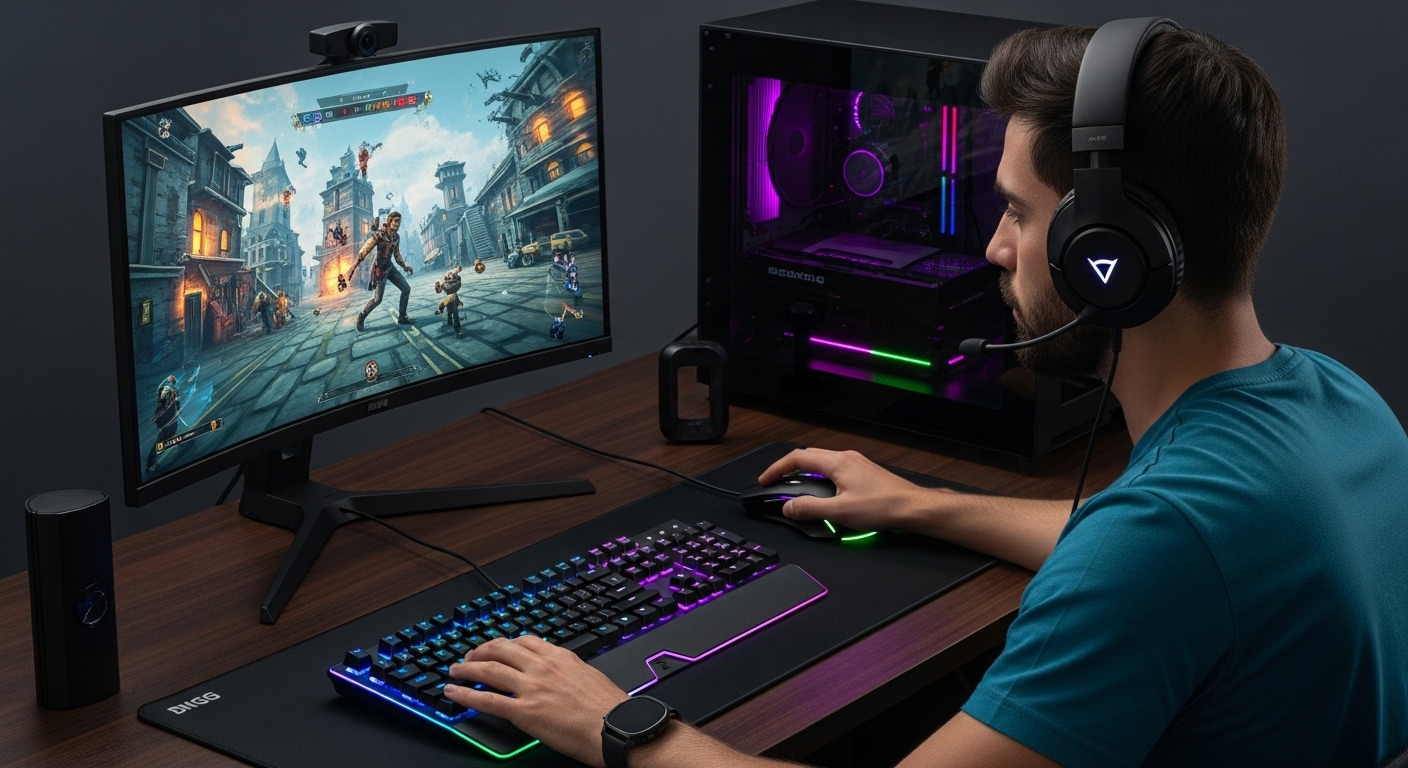
With the rise of personal computers and the internet, gaming became more social and interconnected. Multiplayer games, online communities, and digital distribution platforms allowed players to connect worldwide, revolutionizing the gaming landscape. Today, gaming spans consoles, PCs, mobile devices, and cloud platforms, providing diverse experiences for millions of players globally.
The Cultural Impact of Gaming
Gaming is more than entertainment; it is a cultural phenomenon. Iconic characters, franchises, and narratives such as Mario, Zelda, Final Fantasy, and The Legend of Zelda have become embedded in popular culture. Video games often explore complex themes, including morality, identity, and social issues, offering a medium for storytelling that rivals film and literature.
Gaming also influences fashion, music, and media trends. Cosplay, fan art, and online communities contribute to a global culture built around shared experiences and creativity. The cultural footprint of gaming extends beyond players to shape entertainment and artistic expression worldwide.
Gaming as a Social Platform
Modern gaming fosters social interaction and collaboration. Multiplayer online games encourage teamwork, communication, and strategy, allowing players to build friendships and communities. Online platforms offer chat functions, voice communication, and forums where gamers share strategies, discuss experiences, and celebrate achievements.
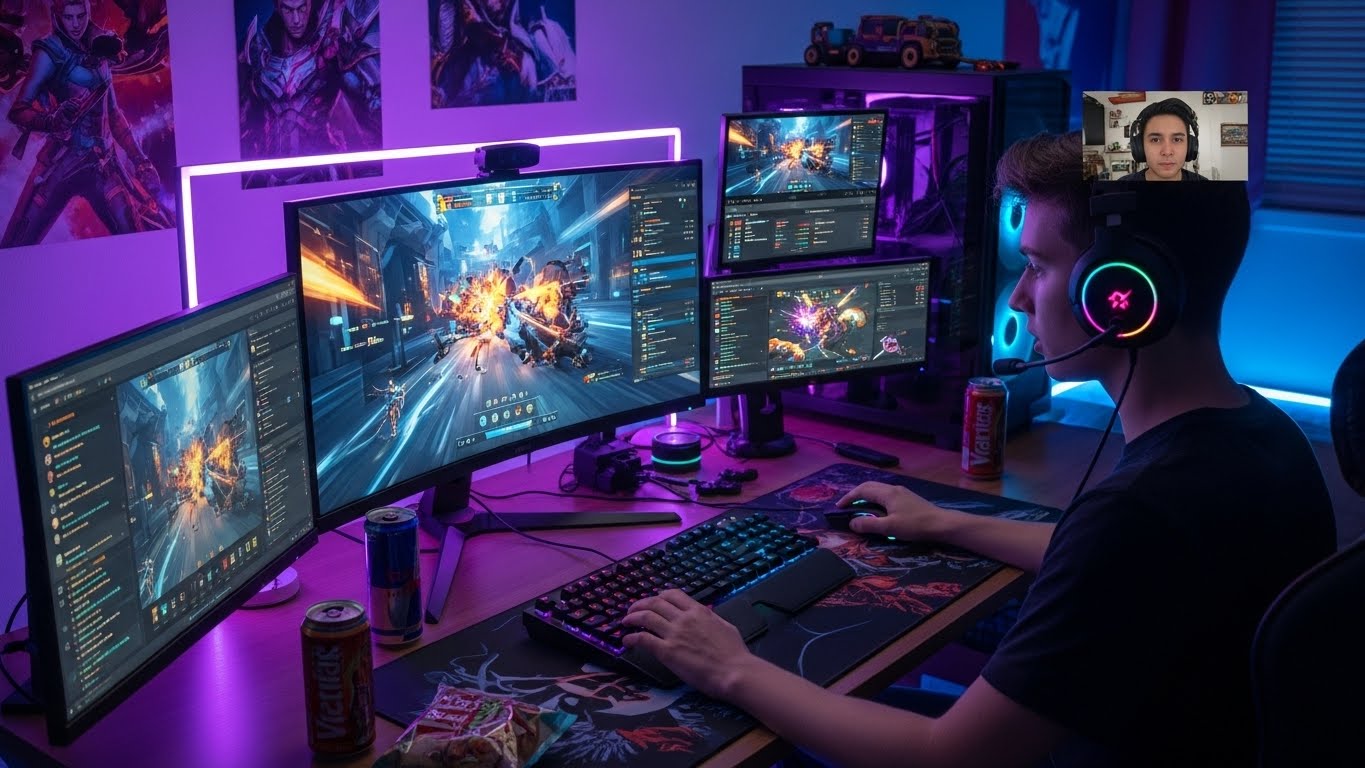
Streaming platforms further enhance the social aspect of gaming. Gamers broadcast their gameplay live, interact with audiences, and create content that entertains and informs viewers. These platforms have transformed gaming into a participatory social activity, connecting players across the globe.
Popular Gaming Genres
The diversity of gaming genres ensures there is something for every player. Each genre offers unique experiences, challenges, and benefits.
Action and Adventure Games
These games emphasize exploration, problem-solving, and narrative engagement. Players navigate complex worlds, solve puzzles, and engage in combat, often within a rich story environment.
Role-Playing Games (RPGs)
RPGs allow players to assume characters, make impactful decisions, and develop skills. These games enhance strategic thinking, creativity, and decision-making while immersing players in expansive storylines.
Strategy Games
Strategy games challenge players to plan, manage resources, and anticipate outcomes. They improve critical thinking, problem-solving, and foresight, appealing to players who enjoy intellectual challenges.
Simulation and Sandbox Games
Simulation and sandbox games replicate real-life experiences or provide open-world creative opportunities. Players manage cities, farms, or businesses or explore environments without strict objectives, fostering creativity and experimentation.
Sports and Racing Games
Sports and racing games emulate real-world competitions and athletic activities. They appeal to competitive players and fans of specific sports, offering realistic simulations and strategic gameplay.
Multiplayer Online Battle Arenas (MOBA) and Battle Royale
These genres focus on competitive multiplayer gameplay, where teamwork, skill, and strategy determine success. Their high-intensity, fast-paced nature provides thrill and social interaction for players worldwide.
Gaming as a Career
Gaming is now a viable career option. Professional esports players, streamers, and content creators earn livelihoods through competitions, sponsorships, and online platforms. Esports tournaments offer significant prize pools, recognition, and global exposure.
Beyond playing, the gaming industry offers opportunities in game design, programming, marketing, journalism, and community management. The professionalization of gaming has created a robust ecosystem where creativity, skill, and technology intersect.
Technology Driving Gaming
Modern gaming relies on technological advancements to deliver immersive and interactive experiences. Graphics engines, artificial intelligence, virtual reality, augmented reality, and cloud computing enhance gameplay and realism.
Virtual reality (VR) immerses players in fully simulated environments, providing unprecedented interactivity and engagement. Augmented reality (AR) overlays digital information onto real-world settings, expanding gameplay possibilities. Cloud gaming enables high-quality experiences on devices without powerful hardware, increasing accessibility and convenience.
Cognitive and Educational Benefits
Gaming is not only entertaining but also educational. Many games improve problem-solving, critical thinking, and decision-making skills. Puzzle games enhance logic and spatial reasoning, while multiplayer games foster teamwork, communication, and leadership abilities.
Educational and simulation games are increasingly used in classrooms to teach concepts interactively. Virtual labs, historical simulations, and gamified lessons engage students more effectively than traditional methods, highlighting the potential of gaming as a learning tool.
Gaming and Mental Health
When approached responsibly, gaming has mental health benefits. It can reduce stress, improve mood, and provide a sense of achievement. Immersive gameplay offers relaxation, creative expression, and social interaction, helping players cope with everyday challenges.
Balance is crucial, as excessive gaming can lead to negative consequences such as social isolation or addiction. Promoting healthy gaming habits ensures a positive impact on mental well-being.
Esports: The Competitive Frontier
Esports has transformed gaming into a competitive global phenomenon. Professional players, teams, and leagues compete in titles such as League of Legends, Dota 2, and Counter-Strike, attracting millions of viewers online and in live arenas.
Esports emphasizes skill, strategy, and teamwork, with players dedicating extensive hours to practice and preparation. The industry encompasses not only players but also coaches, analysts, broadcasters, and sponsors, creating a comprehensive professional ecosystem.
Gaming Communities and Culture
Gaming communities are vibrant and diverse. Forums, fan sites, and social media groups allow players to share experiences, strategies, and content. Cosplay, fan art, and modding communities encourage creativity and engagement.
Events such as conventions, tournaments, and expos bring enthusiasts together, fostering shared identity and belonging. These communities strengthen the cultural significance of gaming, transforming it from a hobby into a global cultural movement.
Economic Impact of Gaming
The gaming industry is a multi-billion-dollar global enterprise. Revenue comes from game sales, in-game purchases, subscriptions, merchandise, and streaming platforms. Employment opportunities span development, design, marketing, event management, and content creation.
Gaming events and tournaments stimulate local economies through tourism, hospitality, and entertainment spending. The economic influence of gaming highlights its role as a key sector within the global digital economy.
The Future of Gaming
The future of gaming is dynamic and promising. Cloud gaming, virtual reality, artificial intelligence, and cross-platform experiences will redefine how people play and interact. Games will become more immersive, personalized, and socially connected.
Inclusivity and accessibility will continue to shape the industry, ensuring that players of all abilities, genders, and backgrounds can participate. Advances in adaptive technology and AI-driven gameplay will further democratize gaming, making it more accessible and engaging worldwide.
Conclusion
Gaming has evolved into a cultural, technological, and economic powerhouse. It entertains, educates, and connects people across the globe. Video games provide immersive experiences, foster communities, and develop cognitive, social, and strategic skills.
As technology advances, gaming will continue to innovate, offering richer storytelling, interactive experiences, and professional opportunities. From casual players to esports professionals, gaming reflects creativity, skill, and human potential. It is no longer just a pastime—it is a defining aspect of modern entertainment and culture.