Introduction: The Evolution of Gaming
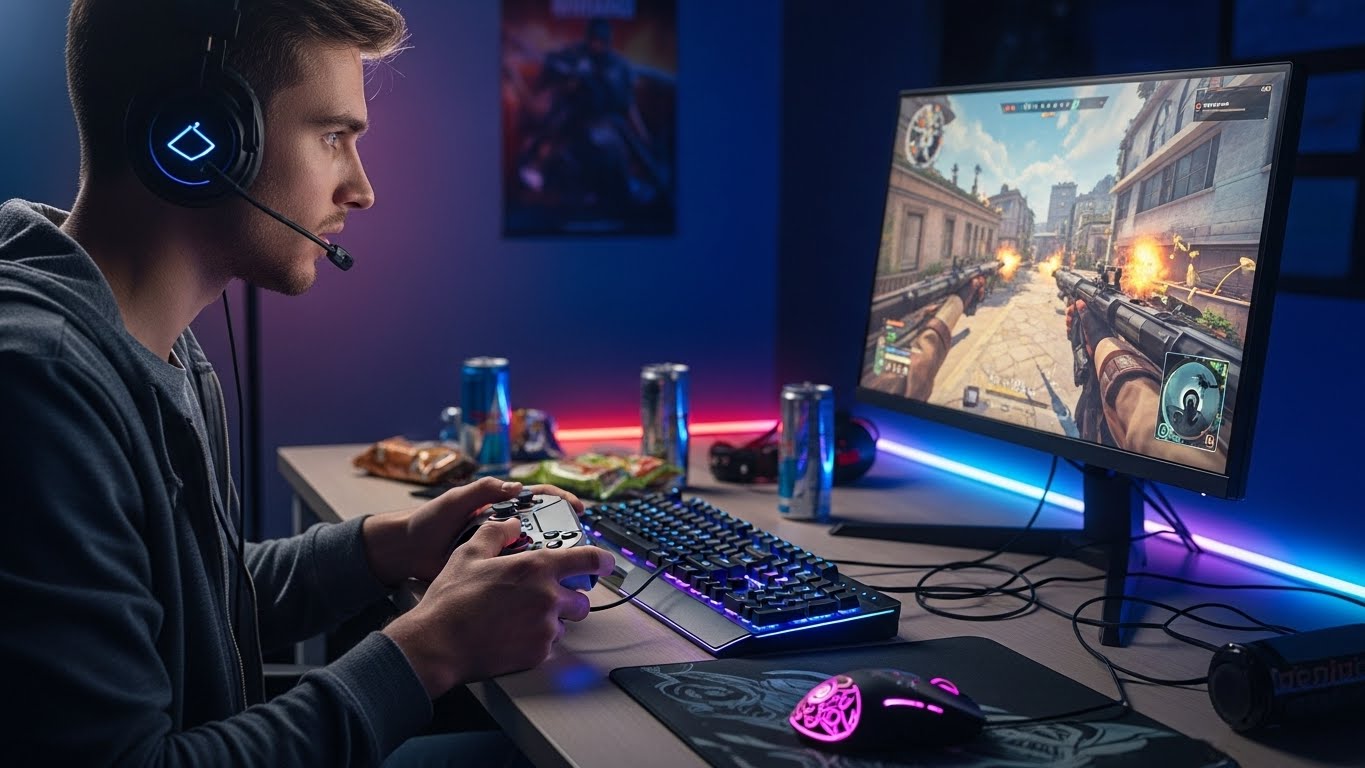
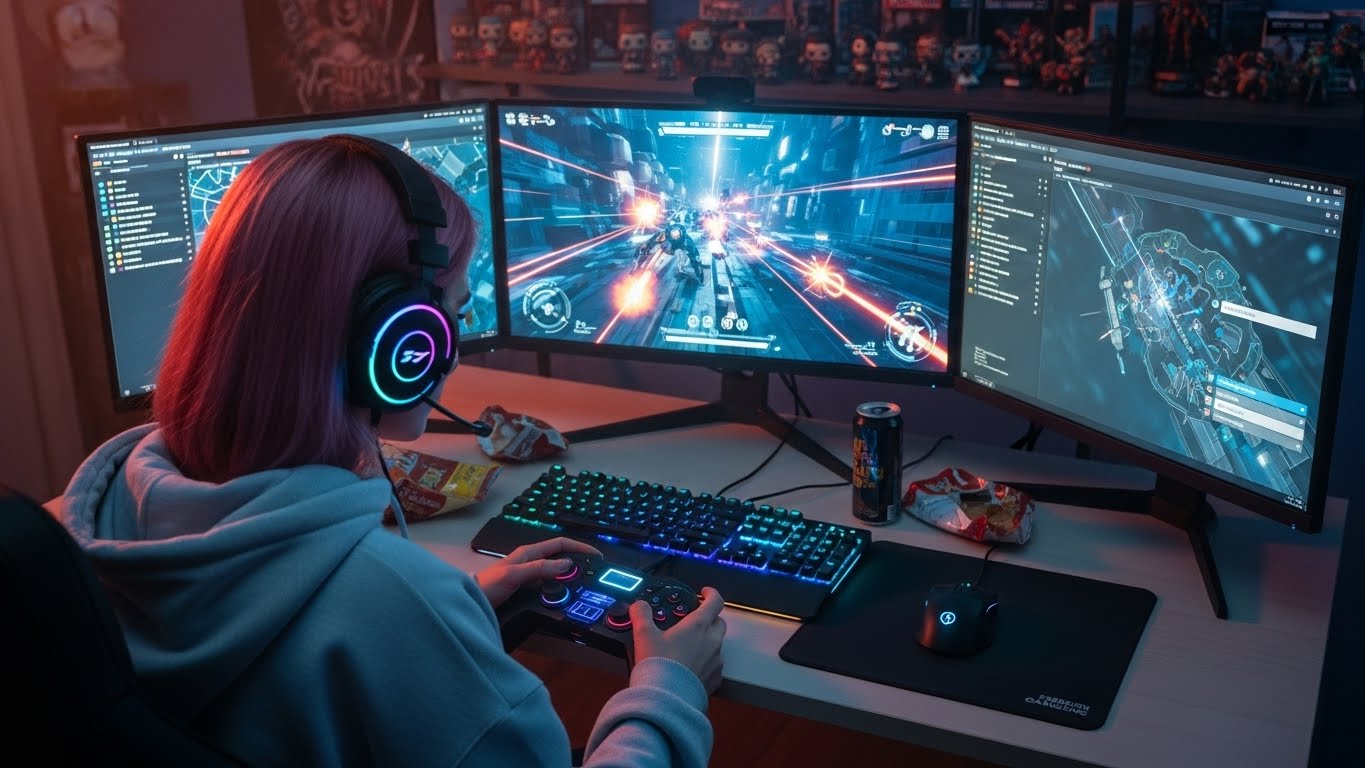
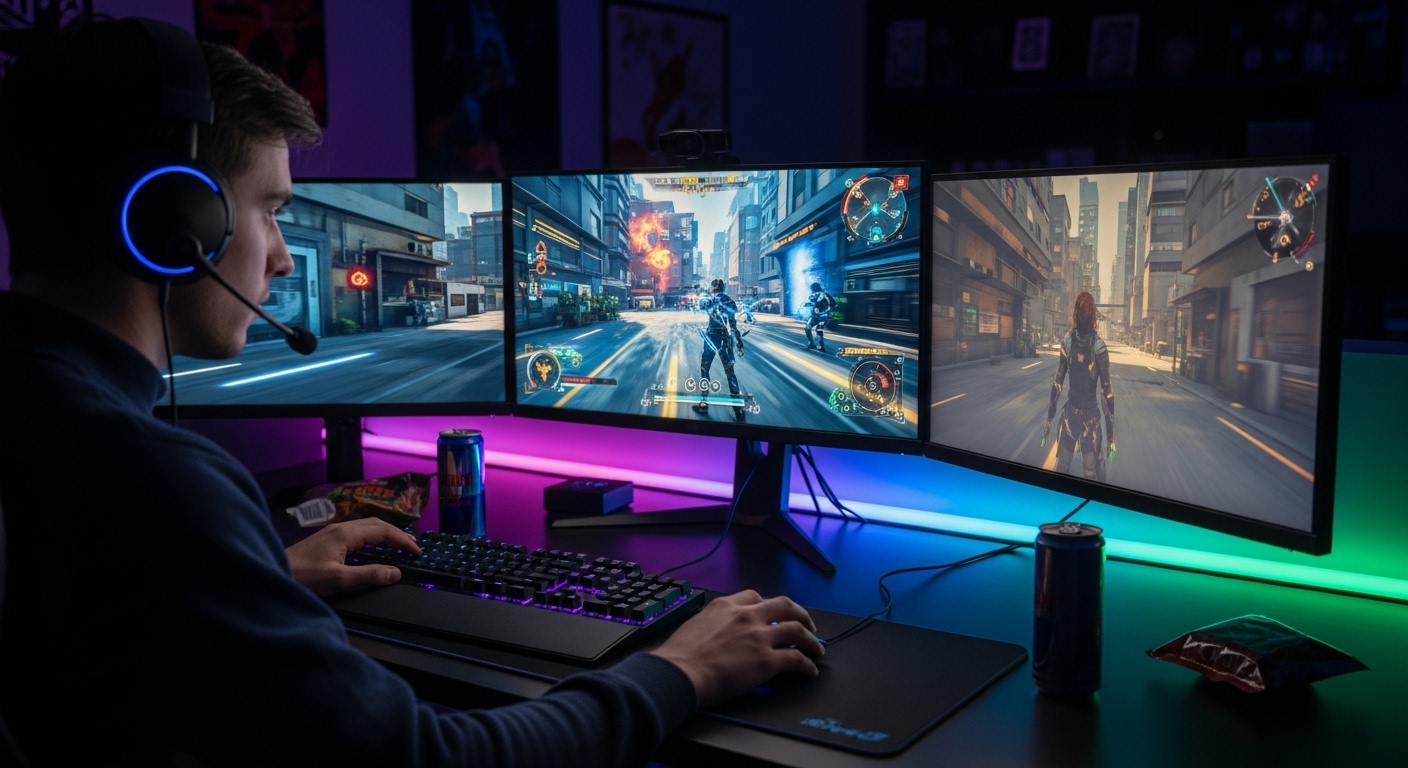
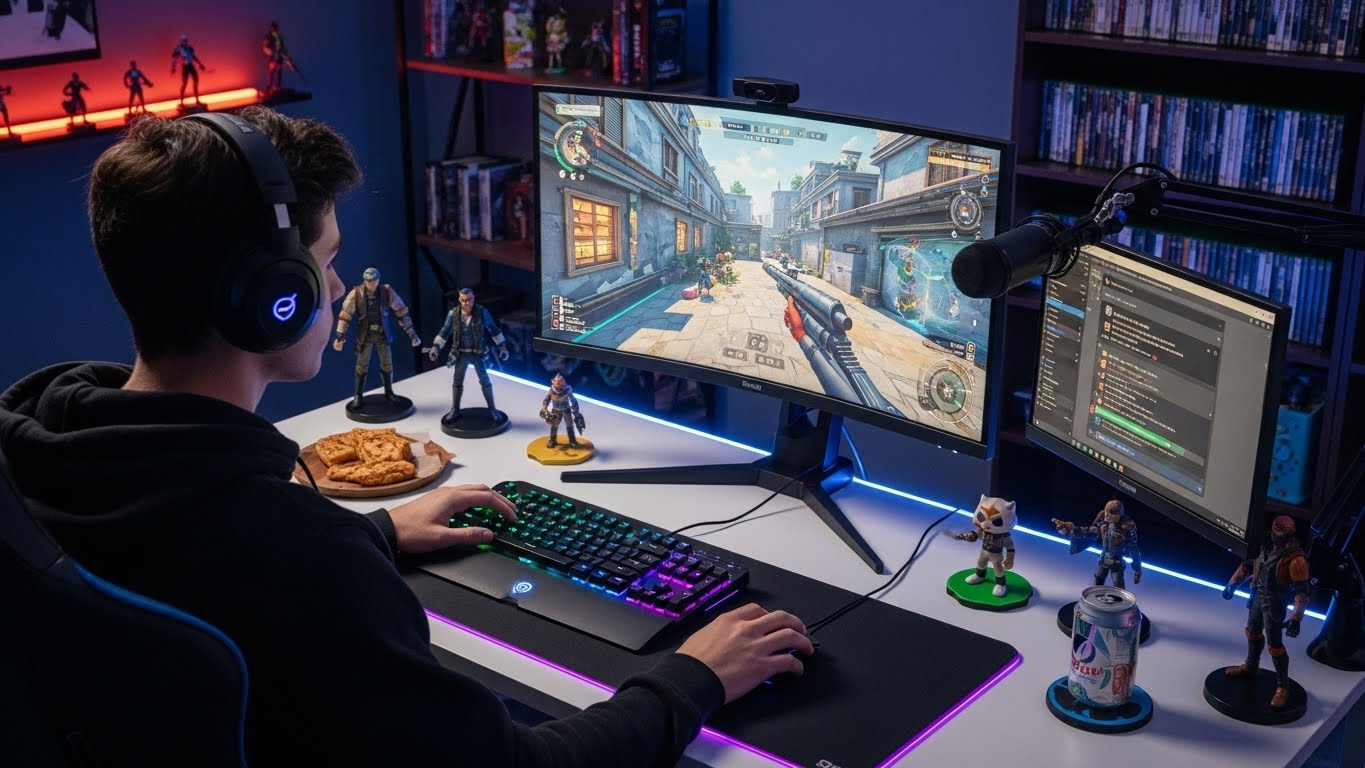
Gaming has evolved far beyond its humble beginnings as simple pixelated entertainment. Today, it is a powerful cultural phenomenon that spans casual mobile apps to highly competitive eSports tournaments watched by millions worldwide. Gaming has grown into an immersive experience that can engage creativity, problem-solving, and social interaction, offering something for everyone. But beyond entertainment, gaming has a profound impact on cognitive development, skill enhancement, and community building, making it a multi-faceted part of modern life.
The Cognitive Benefits of Gaming
One of the most often overlooked aspects of gaming is its potential to enhance mental acuity. Many games, especially strategy and puzzle-based titles, demand critical thinking, long-term planning, and quick decision-making. Players must assess risks, anticipate opponents’ moves, and adapt to evolving scenarios in real-time. Research has shown that gamers often display improved memory, attention to detail, and multitasking abilities compared to non-gamers. Even fast-paced action games can sharpen reflexes and enhance spatial awareness, skills that are transferable to real-world tasks such as driving, navigation, or problem-solving under pressure.
Gaming and Creativity
Creativity is another domain where gaming leaves a significant mark. Open-world games and sandbox environments encourage players to experiment, design, and innovate within the game’s universe. Titles that allow user-generated content enable players to build elaborate structures, develop custom characters, or even design entirely new game levels. These experiences foster imagination, storytelling abilities, and artistic skills, demonstrating that gaming can be a creative outlet rather than a passive pastime. Even narrative-driven games help players explore moral dilemmas, character development, and world-building, cultivating empathy and critical thinking through interactive storytelling.
Skill Development Beyond Entertainment
Gaming isn’t just about fun—it can be a training ground for skills applicable in everyday life. Many multiplayer games require teamwork, communication, and leadership, as players coordinate strategies to achieve shared goals. eSports athletes demonstrate extraordinary discipline, focus, and time management, often practicing for hours each day to master complex mechanics. These habits mirror professional skill-building practices in real-world careers, suggesting that the mindset developed in gaming can translate into higher productivity, problem-solving, and resilience.
Social Connections and Community Building
Contrary to the stereotype of the solitary gamer, modern gaming is deeply social. Online multiplayer platforms connect people across continents, allowing friendships and even romantic relationships to flourish. Gaming communities thrive on collaboration, shared challenges, and mutual support. Whether it’s forming guilds in role-playing games, competing in tournaments, or discussing strategies in forums, gamers often experience a sense of belonging and camaraderie. The social aspect of gaming fosters teamwork, empathy, and communication skills, while also providing a safe space for people to connect with others who share similar interests.
The Rise of eSports and Competitive Gaming
The gaming landscape has expanded beyond casual play into the realm of professional competition. eSports has become a billion-dollar industry, with professional gamers achieving celebrity status, competing in large-scale tournaments, and earning substantial income. Competitive gaming demands precision, discipline, and strategic thinking. The rise of eSports has also led to the development of coaching, training programs, and analytics-driven approaches to gaming performance. This shift has helped gaming gain legitimacy as a professional pursuit and has inspired a new generation of players to pursue careers in this exciting, rapidly growing industry.
Gaming as a Stress Reliever
Gaming can also serve as an effective stress management tool. Immersive gameplay provides an escape from the pressures of daily life, allowing players to focus on goals and challenges within the game world. Engaging in gaming can release endorphins, reduce anxiety, and promote relaxation, similar to other forms of entertainment or exercise. For many, gaming offers a healthy outlet for emotional release, problem-solving, and mental refreshment, providing a balance to the demands of work, school, or personal life.
Educational Potential of Gaming
Education and gaming are increasingly intersecting in innovative ways. Gamified learning platforms leverage game mechanics to teach concepts ranging from mathematics and science to history and languages. By incorporating challenges, rewards, and interactive narratives, educational games make learning more engaging and memorable. Additionally, simulation-based games can teach practical skills, such as resource management, critical thinking, and teamwork, in a low-risk environment. The educational potential of gaming demonstrates that it can be both enjoyable and intellectually enriching, making it a valuable tool for lifelong learning.
The Impact of Virtual Reality and Immersive Experiences
Virtual reality (VR) and augmented reality (AR) have revolutionized the gaming experience, creating fully immersive worlds that blur the line between reality and imagination. VR games provide players with physical engagement, requiring movement, coordination, and spatial navigation, while also enhancing emotional engagement through realistic environments. These technologies offer new possibilities for storytelling, skill training, and social interaction, expanding the ways gaming can influence cognitive development and personal growth. The immersive nature of VR allows players to experience different perspectives, build empathy, and explore new environments in ways traditional games cannot replicate.
Challenges and Criticisms of Gaming
Despite the many benefits, gaming is not without its challenges. Excessive play can lead to addiction, social isolation, or negative impacts on physical health if not balanced with other activities. Some games may also promote toxic behavior, aggressive tendencies, or unhealthy competition. Parental guidance, time management, and self-awareness are crucial for maintaining a healthy gaming lifestyle. However, these risks are not inherent to gaming itself; they arise from misuse or overindulgence, emphasizing the need for moderation and responsible play.
The Future of Gaming
The future of gaming promises even greater innovation and integration into everyday life. Advancements in AI, cloud gaming, and interactive storytelling will create experiences that are more dynamic, adaptive, and inclusive. Games will continue to bridge cultural gaps, connect communities, and provide platforms for creative expression. As society increasingly recognizes the cognitive, social, and professional benefits of gaming, it is likely to gain further legitimacy as both a form of entertainment and a tool for personal development.
Conclusion: Embracing Gaming as a Positive Force
Gaming has come a long way from its early days, evolving into a medium that is as intellectually stimulating as it is entertaining. It cultivates cognitive skills, creativity, teamwork, and resilience while fostering social connections and providing stress relief. By approaching gaming with mindfulness, balance, and intention, players can harness its positive potential while avoiding pitfalls. Far from being a mere pastime, gaming represents a modern frontier where entertainment, education, and human connection intersect. Embracing gaming as a positive force allows individuals to level up not just in virtual worlds, but in real life as well.