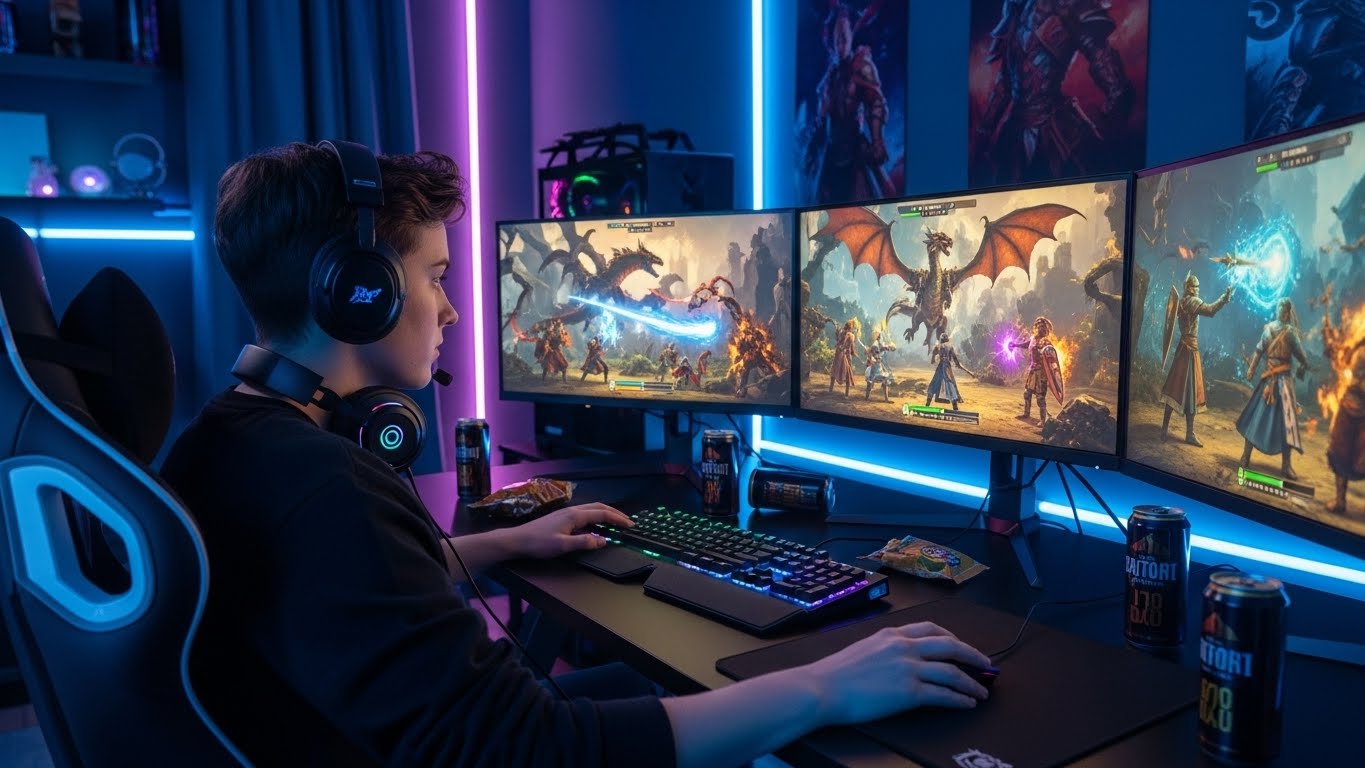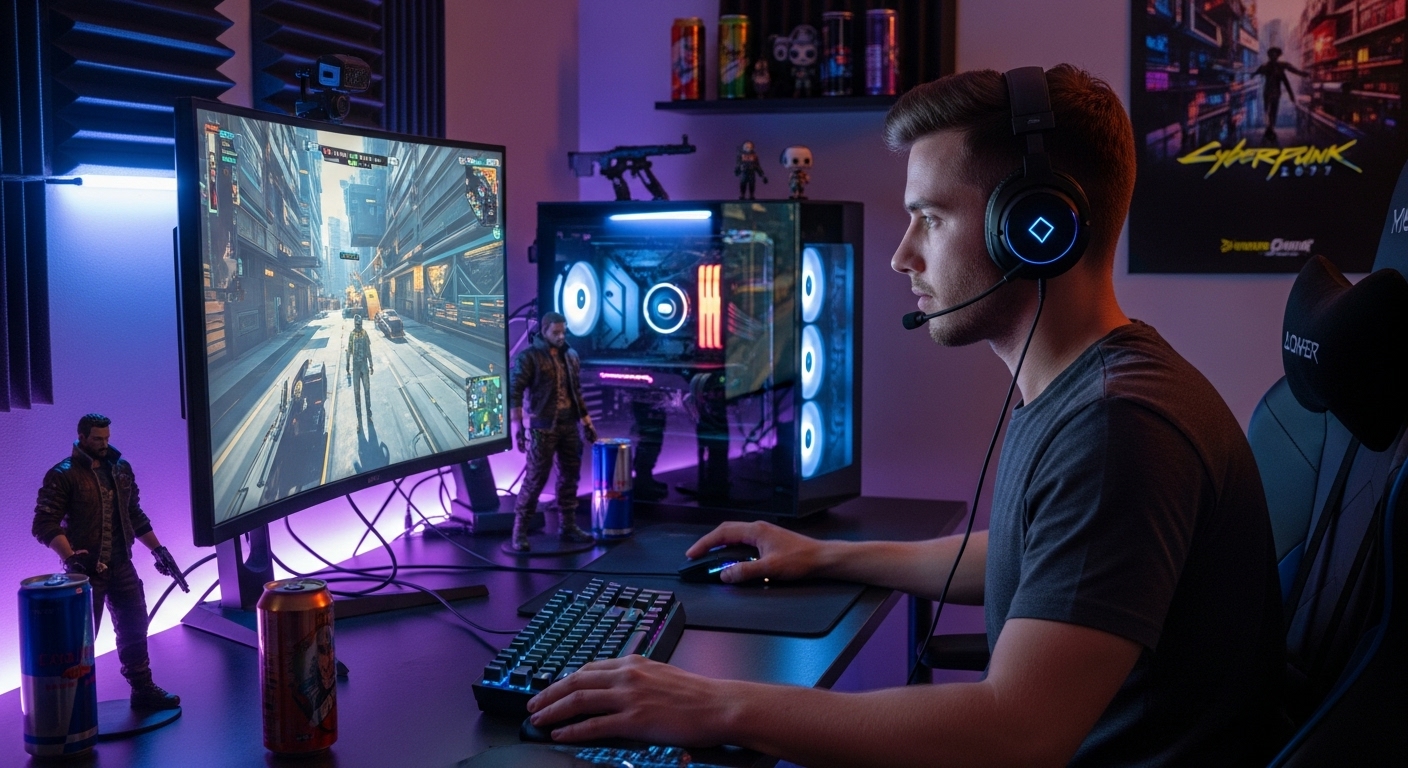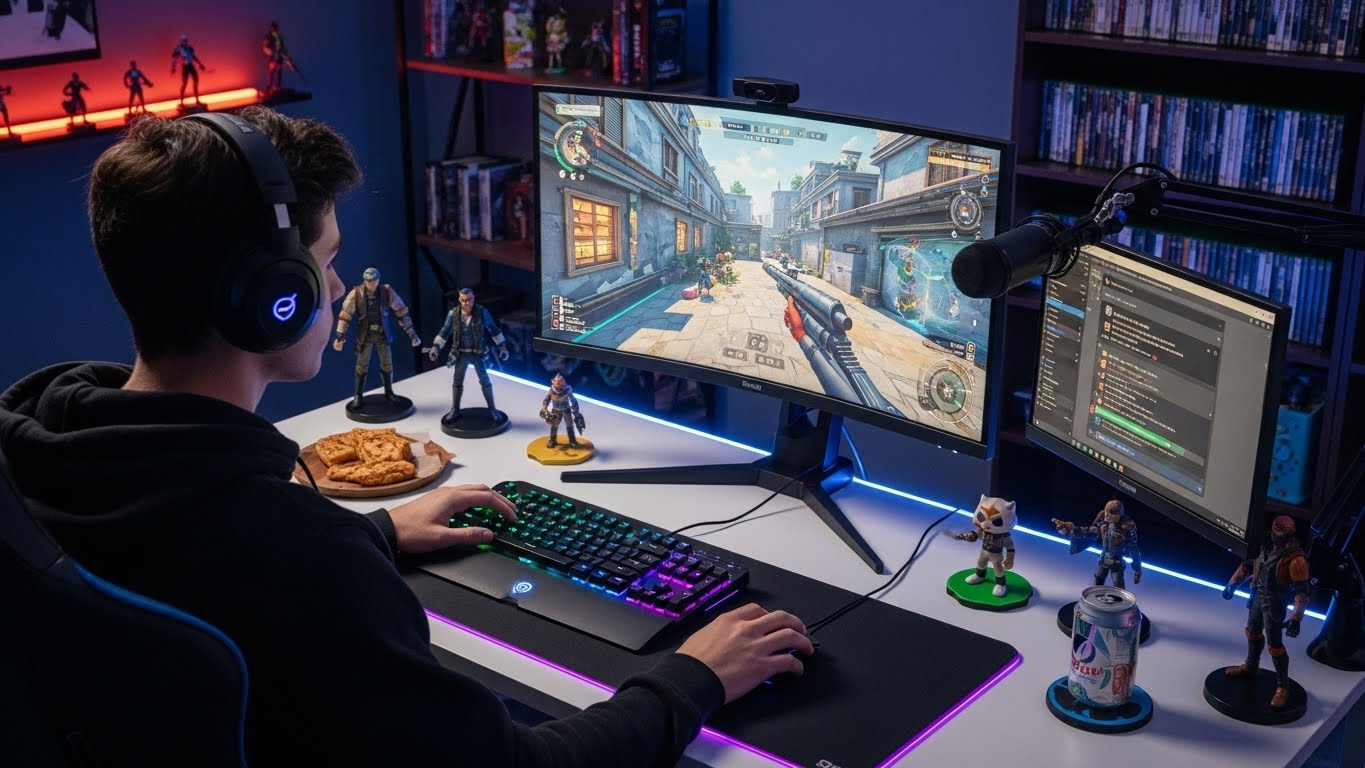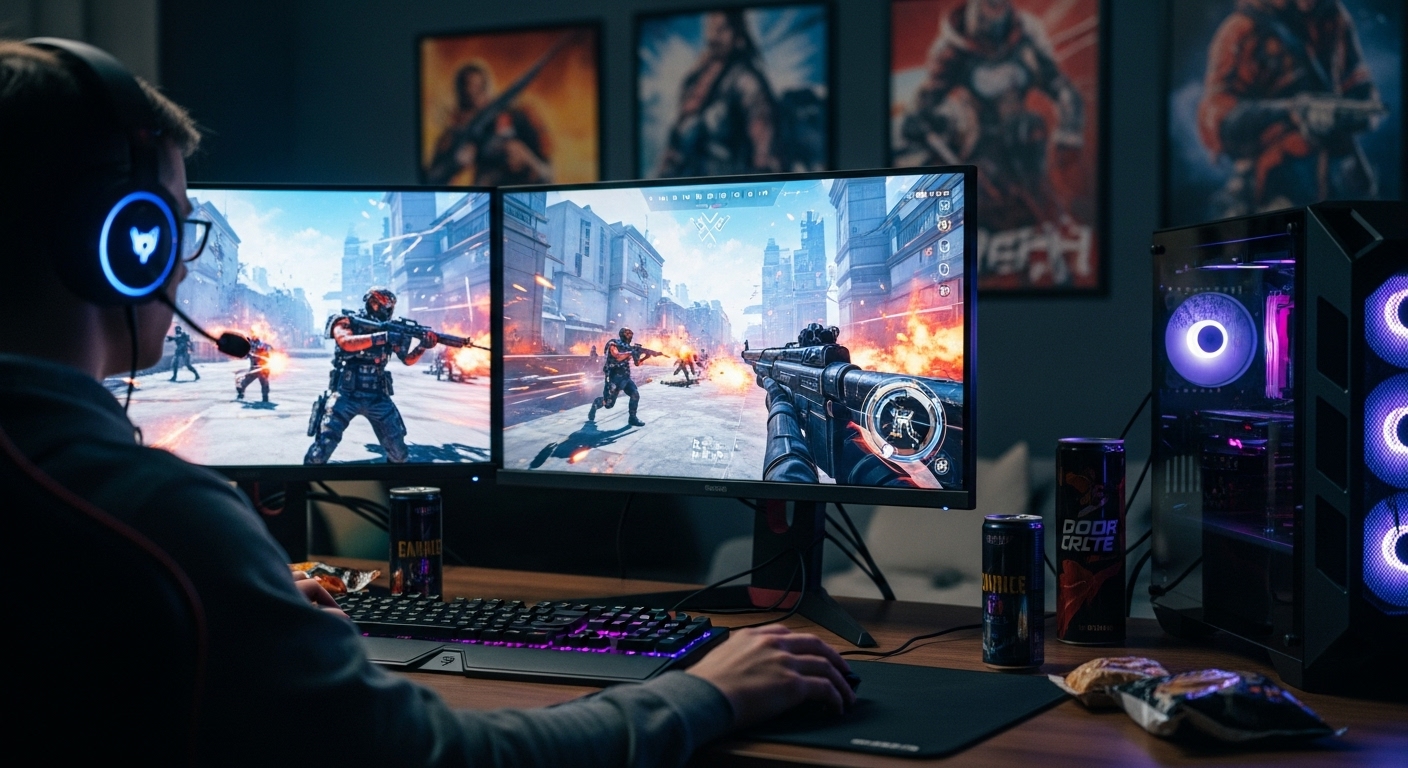
Gaming was once seen as a niche hobby, primarily enjoyed by young enthusiasts or technology aficionados. However, over the past few decades, the landscape of gaming has transformed beyond recognition. What was once limited to arcade machines and home consoles has evolved into a global multi-billion-dollar industry that influences culture, society, and even education. With advancements in technology, gaming has become more immersive, more socially engaging, and more integrated into our daily lives. In this post, we will explore how gaming has evolved over the years, the role it plays in modern culture, and what the future of gaming might look like.
The Humble Beginnings of Gaming
The history of gaming dates back to the early 1950s and 1960s when pioneers in computer science began experimenting with simple games. Early games were largely text-based or featured basic geometric graphics, such as Tennis for Two (1958) and Spacewar! (1962). These games, though rudimentary by today’s standards, laid the groundwork for the gaming culture we know today.
In 1972, Atari introduced Pong, one of the first commercially successful arcade games. Pong was a simple game where players controlled paddles to bounce a ball back and forth, yet its impact on the world of gaming was immense. The success of Pong opened the door for the arcade gaming boom of the 1970s and 1980s. Games like Space Invaders, Pac-Man, and Donkey Kong became cultural icons, driving the growth of arcades in malls and entertainment centers across the world.
At the same time, the development of home consoles like the Atari 2600 allowed gaming to expand beyond arcades and into the living room. The 1980s saw the release of the Nintendo Entertainment System (NES), which introduced a new level of complexity in gaming, featuring iconic franchises like Super Mario Bros. and The Legend of Zelda that continue to define the gaming industry today.
The Rise of Console and PC Gaming
In the 1990s, the gaming world saw a monumental shift with the introduction of 3D graphics. Titles like Super Mario 64 for the Nintendo 64 and Final Fantasy VII for the Sony PlayStation represented a massive leap in terms of both visuals and storytelling. For the first time, players were able to immerse themselves in fully realized 3D worlds, which opened the door for more complex game mechanics and sophisticated narratives.
The rise of the personal computer also had a profound impact on the gaming industry. PC games such as Doom (1993), Warcraft (1994), and StarCraft (1998) set the stage for the modern era of competitive gaming. These games introduced new genres like first-person shooters (FPS) and real-time strategy (RTS), while also establishing online multiplayer as a core component of the gaming experience.
As hardware technology improved, game developers were able to create increasingly detailed and expansive game worlds. This technological progression was not limited to graphics but also extended to sound design, artificial intelligence (AI), and overall gameplay complexity. By the late 1990s, gaming had truly transitioned from a pastime to a form of entertainment that rivaled other media, like film and television, in both impact and cultural relevance.
Gaming Becomes a Social Experience
One of the most significant developments in modern gaming is the shift toward online multiplayer experiences. In the late 1990s and early 2000s, games like EverQuest, Counter-Strike, and Halo 2 introduced the world to the concept of online multiplayer gaming. This shift allowed players to connect with others around the world, creating vibrant online communities and establishing new forms of social interaction.
World of Warcraft (2004) exemplified this new social dimension. As one of the most successful MMOs (Massively Multiplayer Online games) ever, World of Warcraft became a cultural phenomenon, with millions of players logging in each day to explore its vast, immersive world. Players could join guilds, tackle challenging raids together, and forge friendships with people from around the globe. The success of World of Warcraft demonstrated that gaming was no longer just a solitary activity but a shared experience.
Online gaming brought about the rise of digital gaming communities, where players could communicate, strategize, and build relationships. Forums, live chats, and dedicated online platforms like Twitch and Discord began to shape the way gamers interacted with one another. This sense of community became a hallmark of modern gaming culture, fostering collaboration, competition, and camaraderie among players.
The Growth of Esports: Gaming as a Professional Sport
As gaming’s social aspect grew, so did the competitive side. Esports, or competitive video gaming, has exploded in popularity over the last decade, transforming gaming into a global spectator sport. What began as small, grassroots competitions has now evolved into large-scale, professionally organized tournaments, complete with sponsorships, merchandise, and broadcasting deals.
Esports has grown to the point where it is recognized as a legitimate career for professional gamers. Games like League of Legends, Dota 2, and Counter-Strike: Global Offensive boast massive prize pools, drawing millions of viewers and offering a multi-million-dollar industry for players, coaches, analysts, and broadcasters alike. The rise of platforms like Twitch has allowed viewers to watch professional gamers live, offering a new level of interaction between fans and players.
One of the most prominent examples of esports’ rise is The International, the annual Dota 2 tournament. With prize pools often exceeding $30 million, The International is a spectacle that rivals traditional sports events in terms of viewership and global appeal. Esports has even made its way into universities and high schools, where competitive gaming teams are becoming a regular fixture on campuses.
The Impact of Streaming and Content Creation
The advent of streaming platforms like Twitch, YouTube Gaming, and Facebook Gaming has transformed the gaming industry by allowing players to share their experiences with audiences in real time. Streaming has given birth to a new generation of content creators, many of whom have amassed massive followings. Streamers like Ninja, Pokimane, and PewDiePie have turned their passion for gaming into full-fledged careers, earning millions of dollars through subscriptions, donations, and sponsorships.
Streaming platforms also serve as a platform for gaming tutorials, esports broadcasts, and gaming news. Viewers can watch live tournaments, interact with their favorite streamers, and even learn strategies and tips to improve their own gameplay. The rise of content creators has helped build a more inclusive and diverse gaming community, where players of all backgrounds can find their place.
Furthermore, gaming content on YouTube has given rise to “Let’s Play” videos and gameplay walkthroughs, allowing gamers to share their experiences and expertise with others. The widespread popularity of these videos has led to the development of a new form of entertainment where the gameplay itself is the star, rather than a traditional narrative or performance.
Mobile Gaming: Gaming for Everyone
While console and PC gaming have historically dominated the market, mobile gaming has become a force to be reckoned with in recent years. With smartphones becoming more powerful and accessible, games like Candy Crush Saga, Pokémon GO, and Clash of Clans have attracted millions of players worldwide. The convenience of mobile gaming, combined with the availability of free-to-play games and microtransactions, has made gaming accessible to a broader audience.
Mobile gaming has expanded the concept of gaming as a social experience. Many popular mobile games include social elements, such as multiplayer modes, in-game messaging, and social media integration. Pokémon GO, for instance, encourages players to venture outside and interact with others in real-world locations. The widespread appeal of mobile gaming has broken down the barriers to entry and allowed people from all walks of life to participate in the global gaming phenomenon.
The Future of Gaming: Virtual Reality and Beyond
Looking ahead, the future of gaming is undoubtedly exciting. Virtual reality (VR) is perhaps the most talked-about technology in the gaming world right now. With the introduction of VR headsets like the Oculus Rift and PlayStation VR, gamers can experience fully immersive virtual environments where they can interact with the game world in new and innovative ways. As VR technology continues to improve, it is expected to become a mainstream component of gaming.
In addition to VR, augmented reality (AR) is another area where gaming is poised to grow. Pokémon GO proved that AR can provide unique and engaging experiences, and the future may see even more games that blend the real world with digital content. In fact, major companies like Apple and Microsoft are already investing heavily in AR technology, and gaming is likely to be one of the first industries to fully embrace it.
Artificial intelligence (AI) is also expected to play a huge role in the future of gaming. AI has already been used to create more intelligent non-player characters (NPCs), but in the future, it could lead to even more dynamic and responsive game worlds. AI could also be used to create more personalized experiences, tailoring games to individual players based on their preferences and playstyles.
Conclusion: Gaming’s Lasting Impact on Culture
Gaming has come a long way from its origins as a simple pastime. Today, it is a global industry that shapes culture, creates new forms of social interaction, and provides immersive entertainment experiences. Whether through online multiplayer experiences, competitive esports, or mobile gaming, gaming continues to redefine how we connect with others and engage with stories and challenges.