Introduction: The Evolution of Gaming
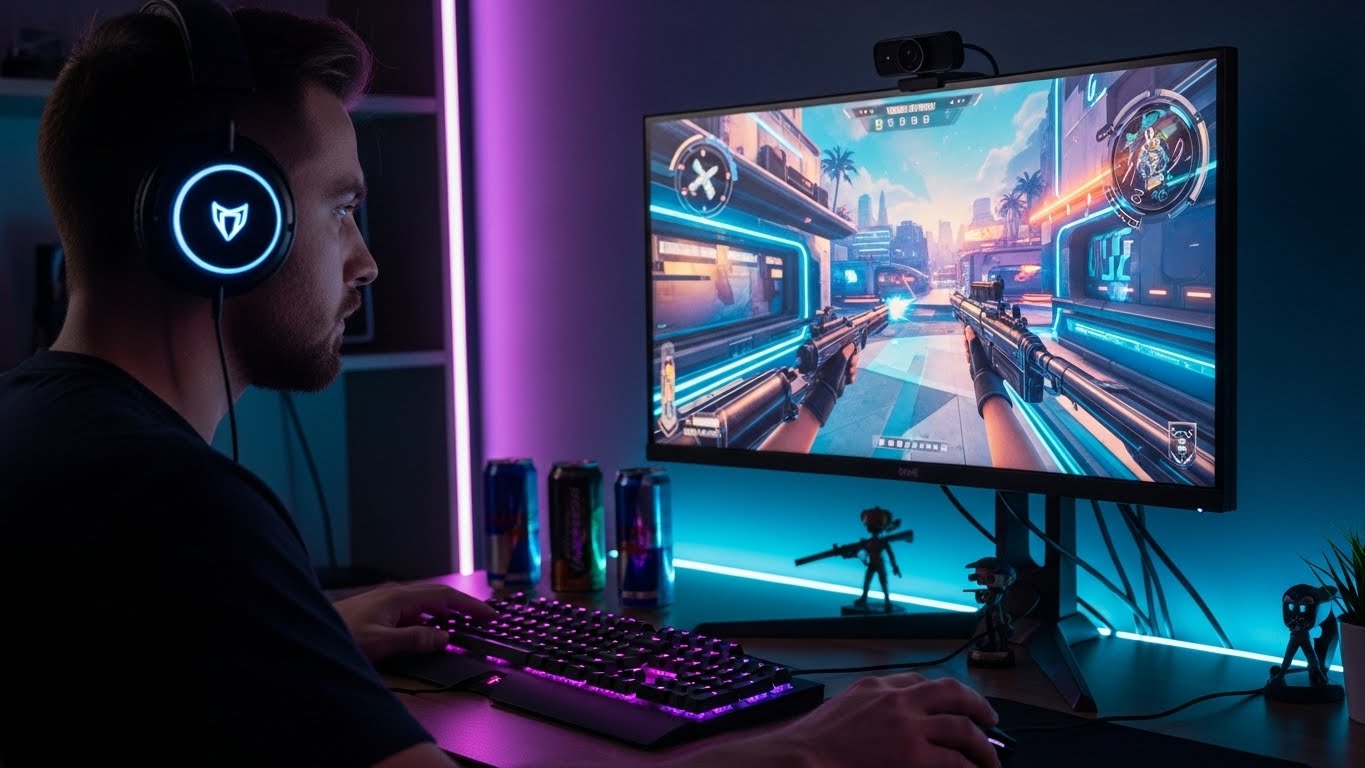
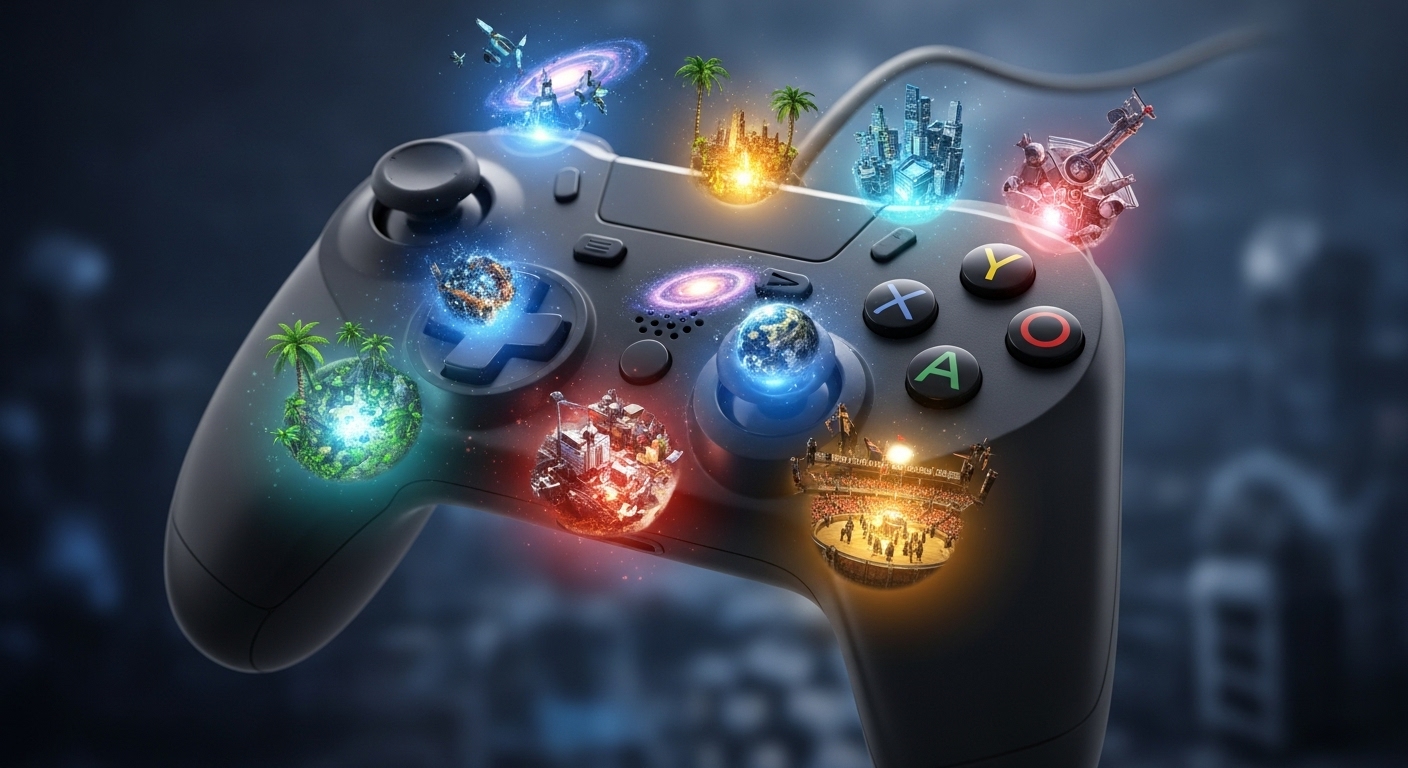
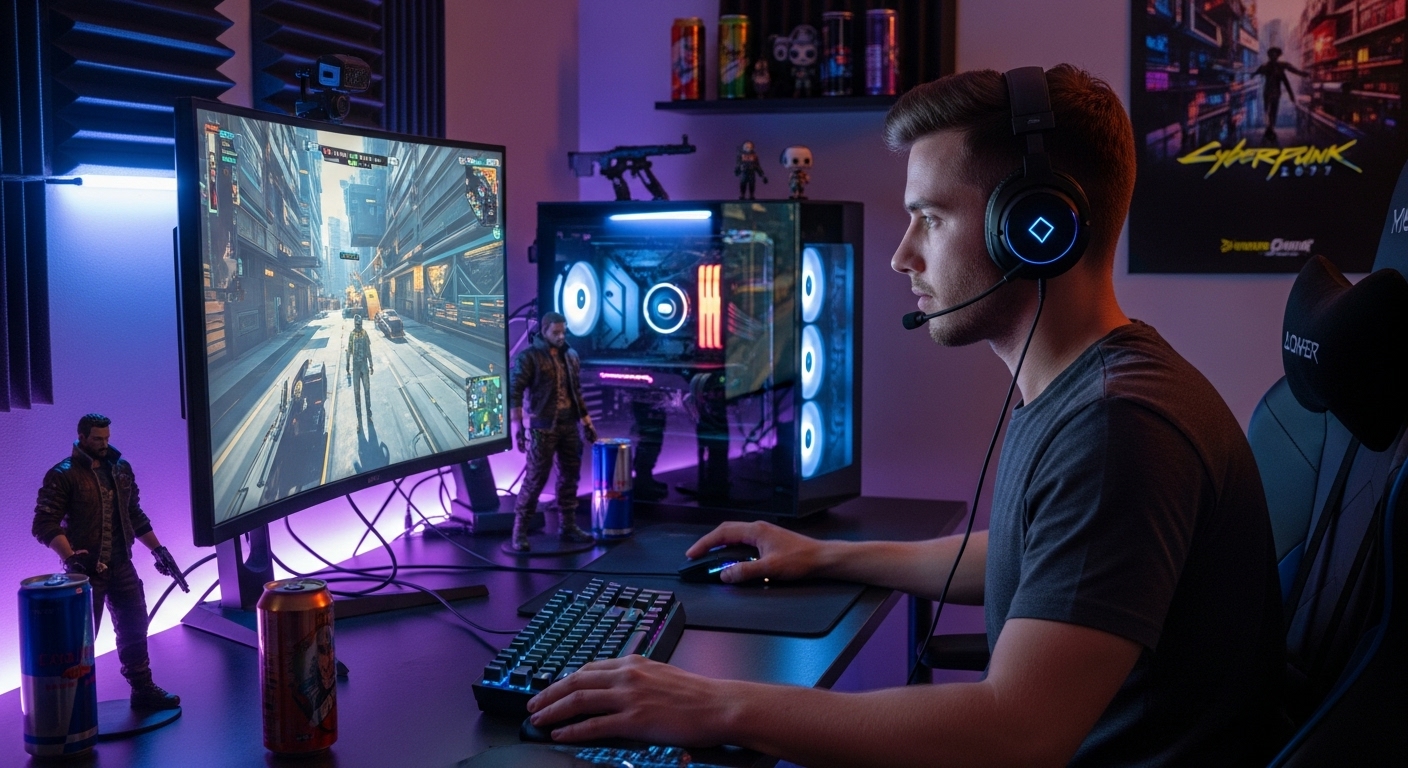
Gaming has come a long way since the days of pixelated screens and basic sound effects. Over the years, it has transformed into an immersive world of stunning visuals, complex narratives, and vast online communities. With the rapid pace of technological advancement, the gaming industry is evolving faster than ever before. Today, it encompasses not just video games, but an entire ecosystem of esports, streaming, virtual reality, and more. In this blog post, we’ll explore some of the key trends that are shaping the future of gaming.
1. Immersive Graphics and Realism
One of the most noticeable changes in gaming is the advancement in graphics technology. Modern games boast near-photorealistic visuals, thanks to powerful consoles and PCs, along with cutting-edge game engines like Unreal Engine 5. These advancements allow developers to create hyper-realistic worlds that engage players on a deeper level.
The level of detail in contemporary games is astonishing. From the intricacies of character models to dynamic weather systems and lighting effects, every element is designed to pull players into the game world. This has raised the bar for what players expect from their gaming experiences, with many titles now aiming to provide a cinematic level of immersion.
2. The Rise of Cloud Gaming
Cloud gaming has emerged as a revolutionary trend in the industry. With services like Google Stadia, Nvidia GeForce Now, and Xbox Cloud Gaming, players can now access and play games without the need for expensive consoles or high-end PCs. Cloud gaming allows games to be streamed directly to devices like smartphones, tablets, or even smart TVs, provided there’s a stable internet connection.
The key advantage of cloud gaming is its accessibility. It breaks down the barriers of hardware requirements and opens up gaming to a wider audience. Moreover, it offers the flexibility to play anywhere, anytime. However, there are still challenges to overcome, particularly around internet speeds and latency, but the potential for cloud gaming to reshape the gaming landscape is undeniable.
3. Virtual Reality: The Future of Immersive Play
Virtual Reality (VR) is another game-changer for the gaming world. VR has evolved from a niche technology to a mainstream gaming experience, offering players a level of immersion previously thought impossible. With VR headsets like the Oculus Quest 2, PlayStation VR, and the HTC Vive, gamers can now step into the game world and interact with it in ways that were once only a dream.
Games like “Half-Life: Alyx” and “Beat Saber” have shown the immense potential of VR, and as hardware continues to improve, the experience is only going to get better. As developers learn to optimize for VR, we can expect even more captivating and realistic virtual environments that take player immersion to new heights.
4. Esports and Competitive Gaming
Esports has evolved from a niche hobby to a global industry worth billions of dollars. Professional gaming has gained significant attention, with tournaments drawing massive viewership and sponsors from top brands. Games like “League of Legends,” “Dota 2,” and “Fortnite” have created competitive ecosystems that rival traditional sports in terms of both viewership and prize money.
Esports is not only about the players; it has also created opportunities for streamers, analysts, commentators, and content creators. Platforms like Twitch and YouTube have made it possible for gamers to share their expertise and build communities, leading to a new era of digital entertainment. As more traditional sports networks begin to cover esports events, the gap between gaming and sports continues to narrow.
5. The Impact of Mobile Gaming
Mobile gaming has witnessed explosive growth in recent years, and it shows no signs of slowing down. With smartphones becoming increasingly powerful, mobile games are now capable of delivering experiences that rival those on consoles. Titles like “PUBG Mobile,” “Genshin Impact,” and “Clash Royale” have attracted millions of players worldwide, bringing gaming to the palms of casual and hardcore players alike.
The accessibility of mobile gaming is one of its greatest strengths. Gamers can enjoy high-quality experiences without the need for expensive hardware, and the ability to play on-the-go has made mobile gaming a dominant force in the industry. As mobile technology continues to evolve, expect to see even more sophisticated and engaging mobile games in the future.
6. The Role of AI in Game Development
Artificial Intelligence (AI) is playing an increasingly important role in game development. From creating more dynamic and responsive non-playable characters (NPCs) to designing intelligent opponents that adapt to a player’s strategy, AI is enhancing the realism and challenge of modern games.
AI-driven procedural generation is also revolutionizing how game worlds are created. Games like “No Man’s Sky” use algorithms to generate vast, procedurally created universes, ensuring that no two players have the same experience. As AI continues to advance, the future of gaming will likely see even more personalized and unpredictable gameplay.
7. The Social Aspect of Gaming
Modern gaming is not just about playing alone; it’s about connecting with others. Online multiplayer games have become a major aspect of gaming, with titles like “Fortnite,” “Call of Duty,” and “Apex Legends” bringing people together from around the globe. These games foster a sense of community and collaboration, as players team up to achieve common goals.
Social platforms like Discord have made it easier for gamers to communicate and form communities, further enhancing the social aspect of gaming. Whether it’s joining a guild, streaming on Twitch, or just hanging out with friends in a virtual world, gaming has become a central hub for social interaction.
Conclusion: The Future Is Bright
The gaming industry is thriving, and its future looks incredibly promising. From breathtaking graphics and VR experiences to the rise of esports and mobile gaming, there’s no shortage of exciting developments. As technology continues to improve and the gaming community grows, the possibilities for innovation are endless.
Whether you’re a casual player, a competitive gamer, or someone who simply enjoys the immersive worlds that games create, one thing is clear: gaming is no longer just a pastime—it’s a cultural force that continues to shape the way we interact with entertainment, technology, and each other. As we look ahead, it’s safe to say that the next chapter of gaming will be more exciting than ever before.