Introduction
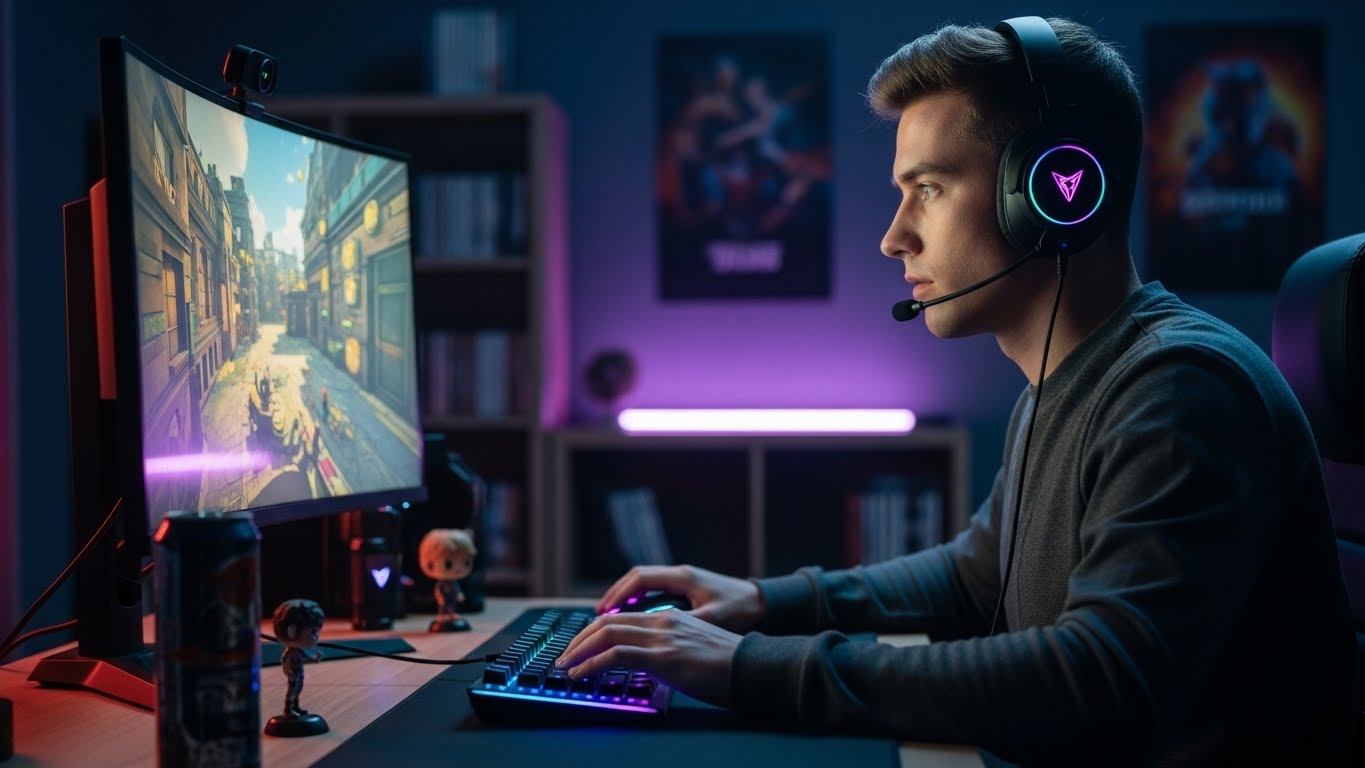
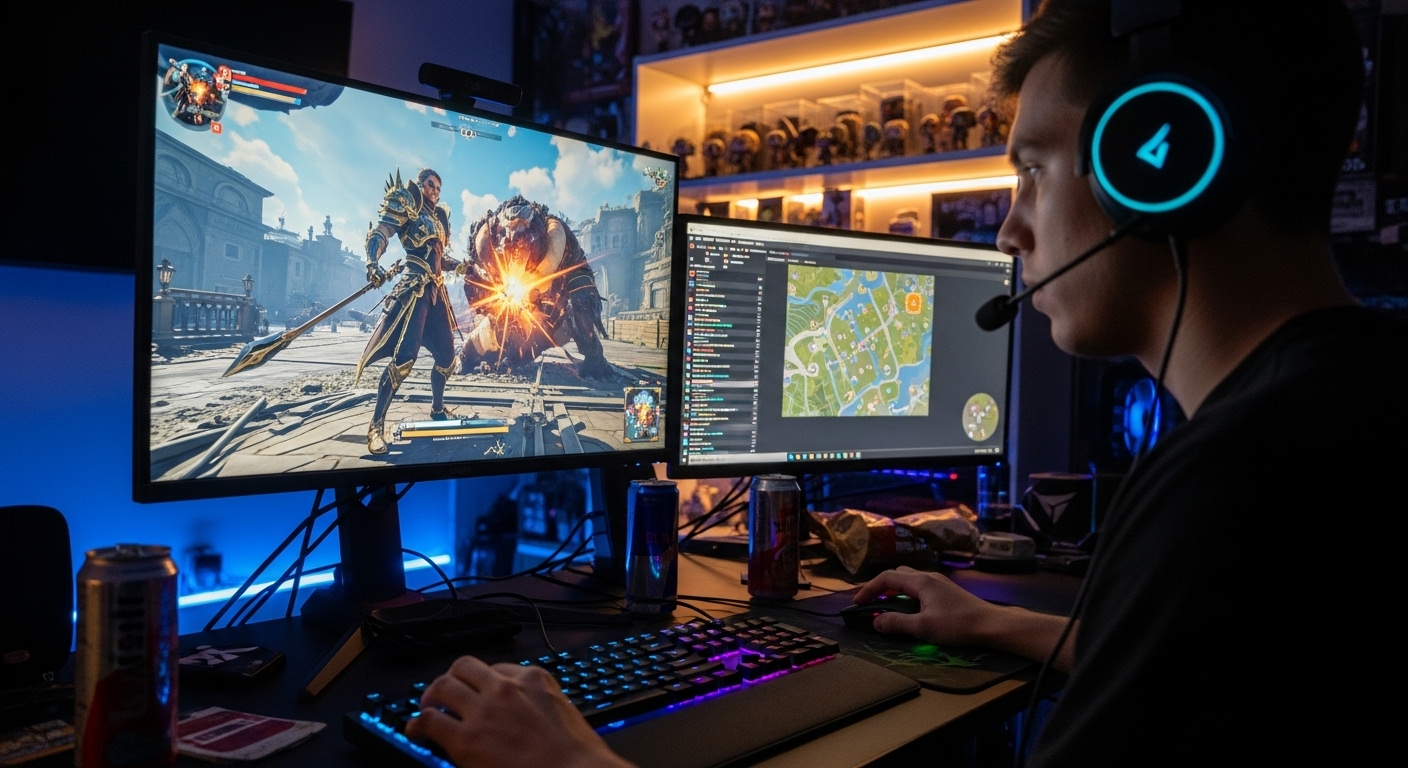
Gaming is no longer a small hobby or a simple way to pass time. It has become one of the most powerful forces shaping entertainment, communication, and creativity in the modern era. Across the globe, millions of people of all ages are drawn to games for adventure, challenge, and connection. Whether played on consoles, computers, or mobile devices, gaming has become an inseparable part of our culture and lifestyle.
The Journey from Pixels to Perfection
The story of gaming began with simple pixelated graphics and basic sounds. Early games such as Pong and Space Invaders opened the doors to a new form of digital fun. Over the decades, technology has transformed gaming into a visually stunning and emotionally rich experience. Today, ultra-realistic graphics, cinematic storytelling, and lifelike characters allow players to immerse themselves in worlds beyond imagination. The evolution of gaming mirrors the progress of technology itself—constantly advancing, innovating, and redefining boundaries.
The Emotional Connection of Gaming
What makes gaming truly special is its ability to evoke emotion. Players laugh, cry, and celebrate through interactive stories that they help shape. Unlike watching a movie or reading a book, gaming gives individuals control over their choices, making every decision meaningful. A player can experience triumph after a hard-earned victory or heartbreak after a loss in a story-driven adventure. This emotional engagement is what keeps players coming back, as they form deep connections with characters and stories.
The Social Revolution of Gaming
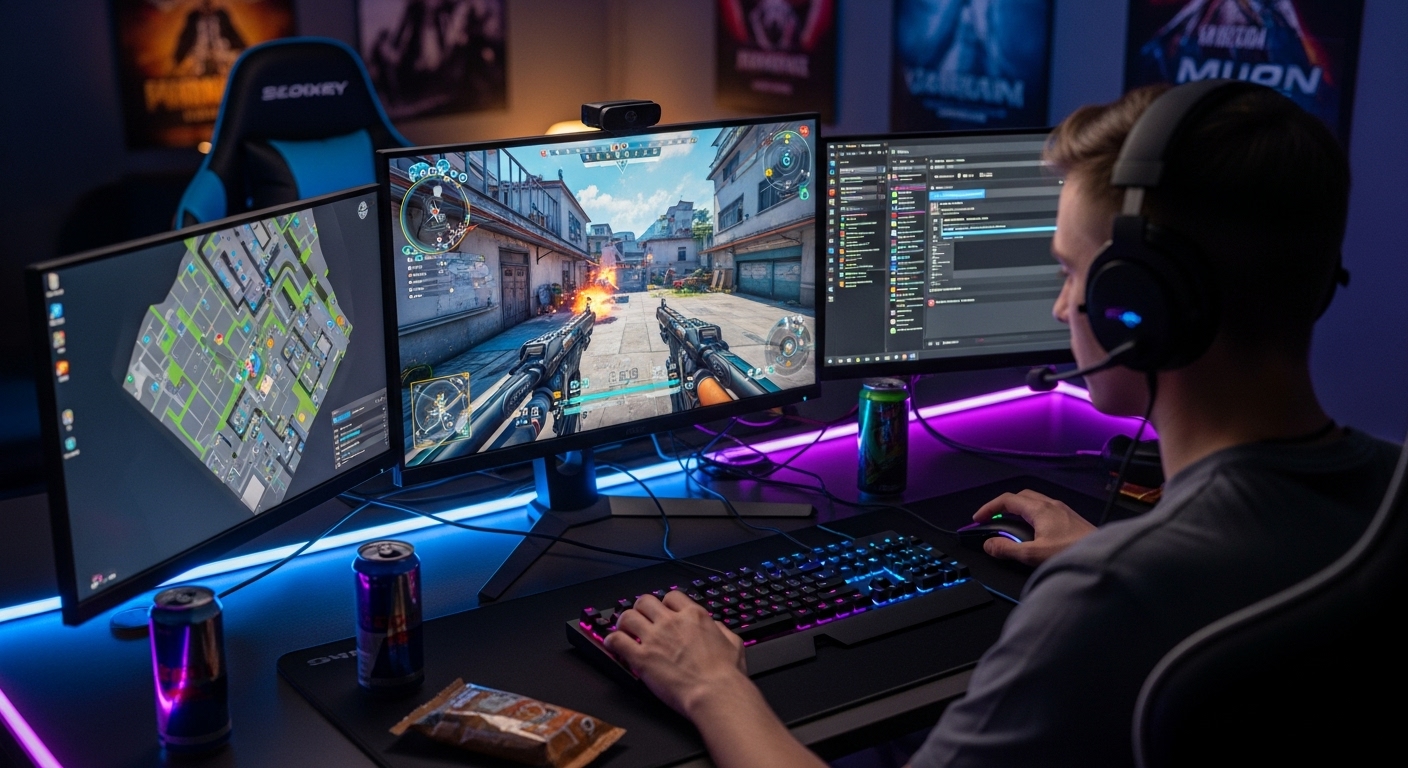
Gone are the days when gaming was a solitary experience. Today, gaming is one of the most social activities in the world. Online multiplayer games connect friends and strangers alike across countries and cultures. Players collaborate in teams, compete in tournaments, and communicate in real time. This shared digital space fosters friendships and communities that thrive on cooperation and mutual respect. Gaming has become a modern gathering place where people unite through shared goals and adventures.
Esports: The Rise of Digital Competition
Competitive gaming, known as esports, has turned video games into a professional sport watched by millions. Skilled players train for hours to master their abilities and strategies. Esports tournaments now fill arenas and attract global audiences through live broadcasts. The excitement, teamwork, and passion seen in esports mirror traditional sports, with players earning sponsorships, fame, and financial success. This growing industry has given gaming a new identity as a respected form of athletic and mental competition.
The Cognitive and Educational Benefits of Gaming
Many people view gaming purely as entertainment, but it also offers educational and cognitive benefits. Strategy and puzzle games improve problem-solving and critical thinking skills. Action and simulation games enhance hand-eye coordination, reflexes, and focus. Educational games are used in schools to teach subjects like science and history in fun, interactive ways. Moreover, gaming encourages creativity, decision-making, and adaptability—all essential skills for the modern world.
The Creative Art of Game Design
Game development is one of the most creative industries in existence. Every element—from storytelling to visual design—reflects artistic innovation. Developers, artists, writers, and musicians work together to create immersive experiences that blend technology and imagination. Each game world is a canvas painted with creativity and emotion. The music sets the tone, the visuals draw the player in, and the gameplay mechanics deliver satisfaction and challenge. Game design proves that gaming is not just technology—it is a powerful art form.
The Role of Technology in Gaming Evolution
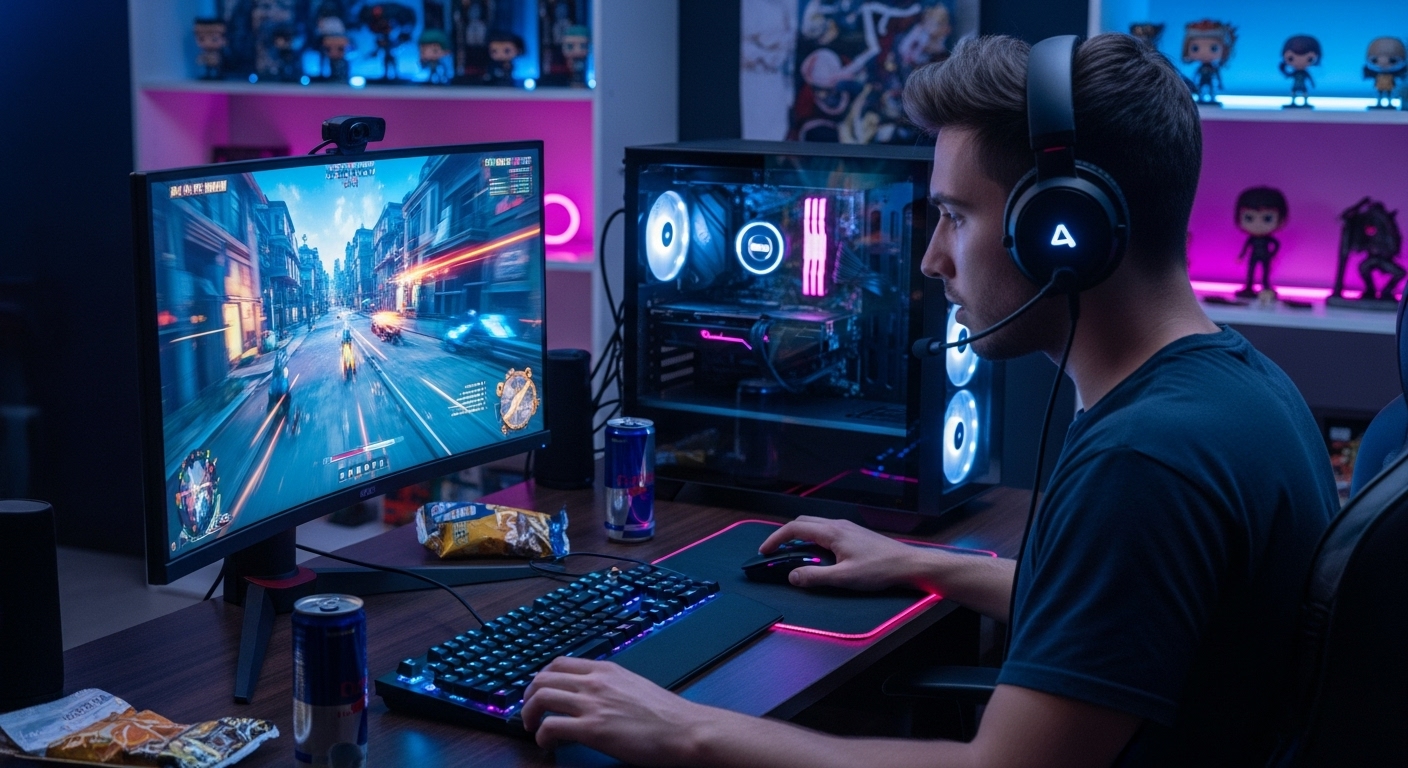
Technology drives gaming forward every day. From powerful graphics processors to cloud-based gaming platforms, advancements make games more accessible and visually impressive. Virtual reality allows players to step directly into game worlds, while augmented reality blends the digital and physical environments. Artificial intelligence creates smarter opponents and more dynamic gameplay. As technology grows, gaming will continue to push the boundaries of imagination, creating experiences that feel increasingly real and personal.
Gaming and Mental Health
Beyond entertainment, gaming can have a positive impact on mental health. It offers relaxation, distraction from stress, and a sense of achievement. Many players find comfort in gaming communities where they feel understood and accepted. Cooperative gameplay can build trust and empathy, while solo adventures allow self-reflection and creativity. However, balance is key—healthy gaming habits ensure that play remains a positive part of life rather than an escape from it.
The Economy of Gaming
The gaming industry is one of the largest and fastest-growing sectors in the global economy. It generates billions of dollars annually and provides jobs in development, marketing, design, and esports management. Independent developers can now reach massive audiences thanks to digital platforms, giving rise to creative diversity in gaming. The economic impact of gaming extends to streaming, content creation, and merchandise, creating a full ecosystem that supports millions of professionals worldwide.
Gaming as a Cultural Movement
Gaming has evolved into a global culture that influences fashion, language, art, and music. Memorable game characters have become cultural icons, and famous soundtracks inspire orchestral performances. Cosplay, conventions, and fan art bring gamers together to celebrate their shared passions. Gaming has broken generational and geographical barriers, creating a universal language understood by players everywhere. It has become a form of self-expression and storytelling that shapes modern creativity.
Challenges in the Gaming World
Despite its positive aspects, gaming faces challenges that must be addressed. Issues like addiction, online toxicity, and accessibility remain important topics. Developers and communities are working together to create safer spaces, promote inclusivity, and encourage healthy gaming habits. Recognizing gaming as both a form of entertainment and responsibility is crucial for its continued growth. By tackling these challenges, the gaming world can evolve into a more positive and welcoming environment for everyone.
The Future of Gaming
The future of gaming holds endless possibilities. As artificial intelligence, virtual reality, and advanced graphics continue to develop, players can expect deeper immersion and more personalized experiences. Games may soon adapt to player emotions, creating unique stories based on individual behavior. Cloud technology will make high-quality games accessible to anyone, anywhere, without expensive hardware. The boundaries between reality and virtual worlds will continue to blur, opening doors to a future where gaming becomes an integral part of daily life.
Conclusion
Gaming has grown from a niche hobby into a global cultural and technological powerhouse. It entertains, educates, connects, and inspires millions across the world. Through creativity, competition, and community, gaming reflects the limitless potential of human imagination. As technology evolves and society changes, gaming will continue to lead innovation and unite people across borders. The power of play is more than just fun—it is a force shaping how we learn, communicate, and dream in the digital age.