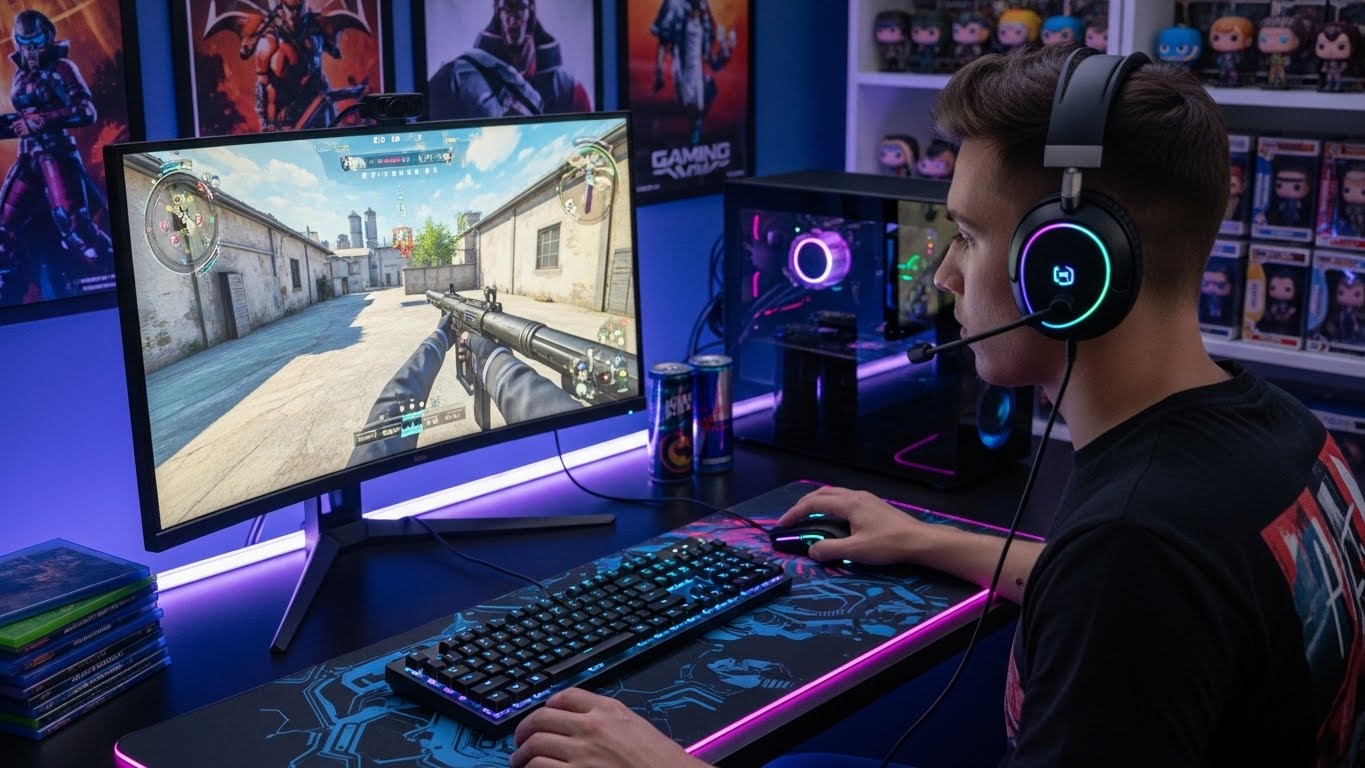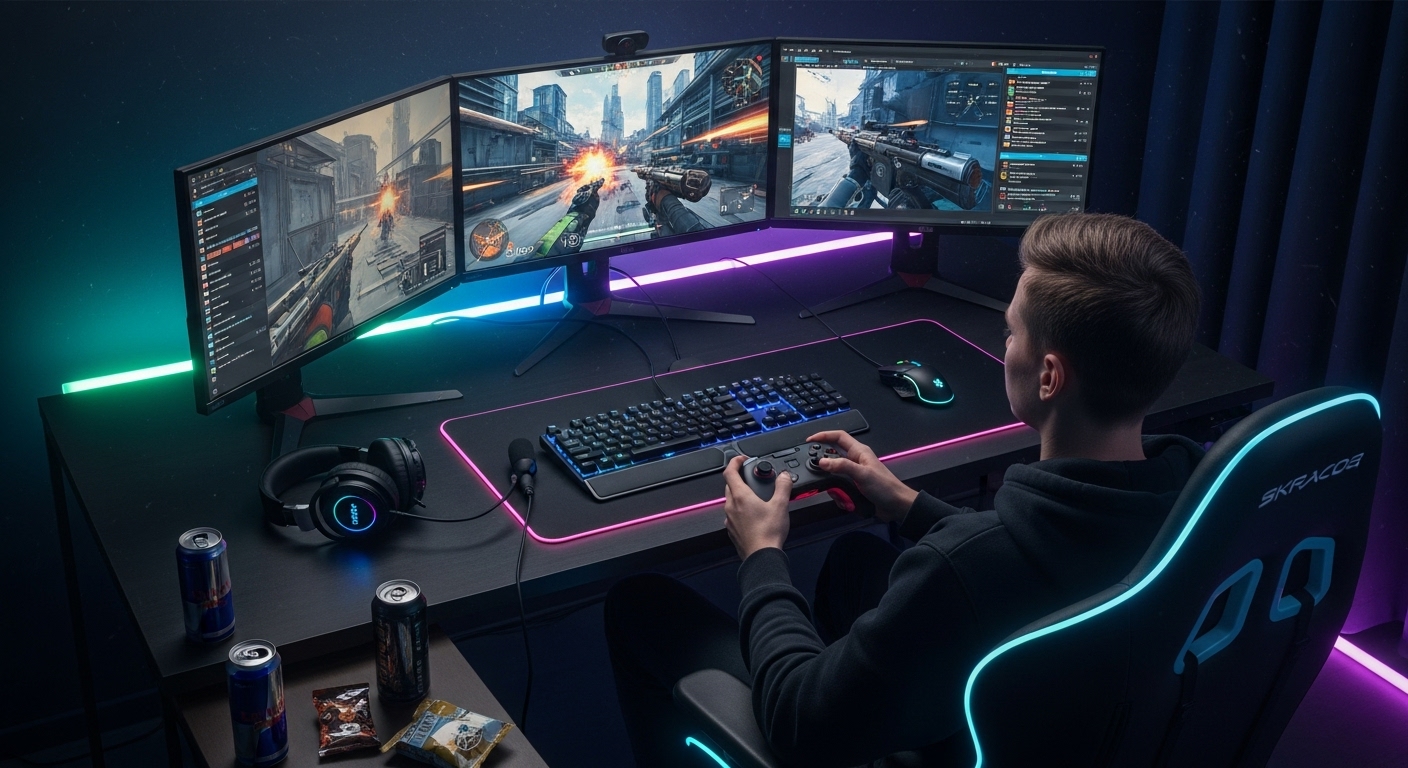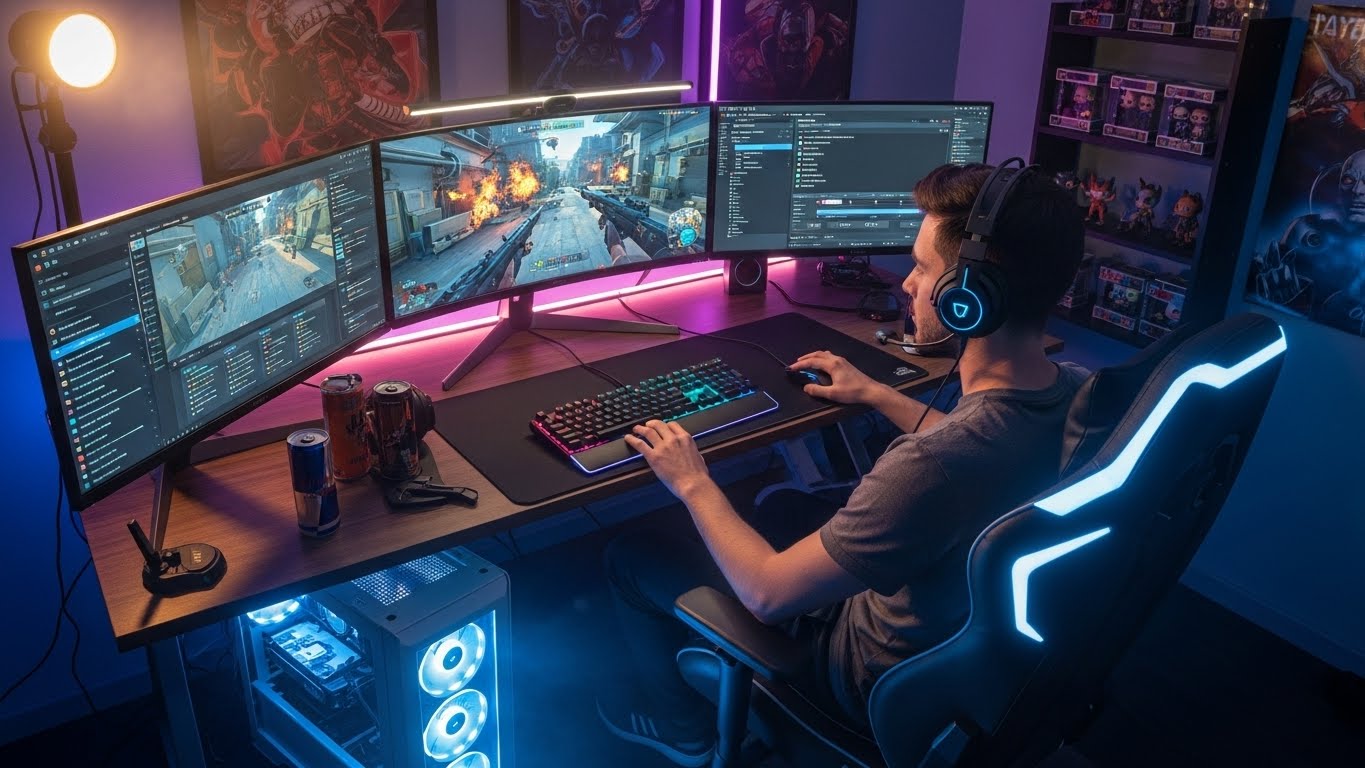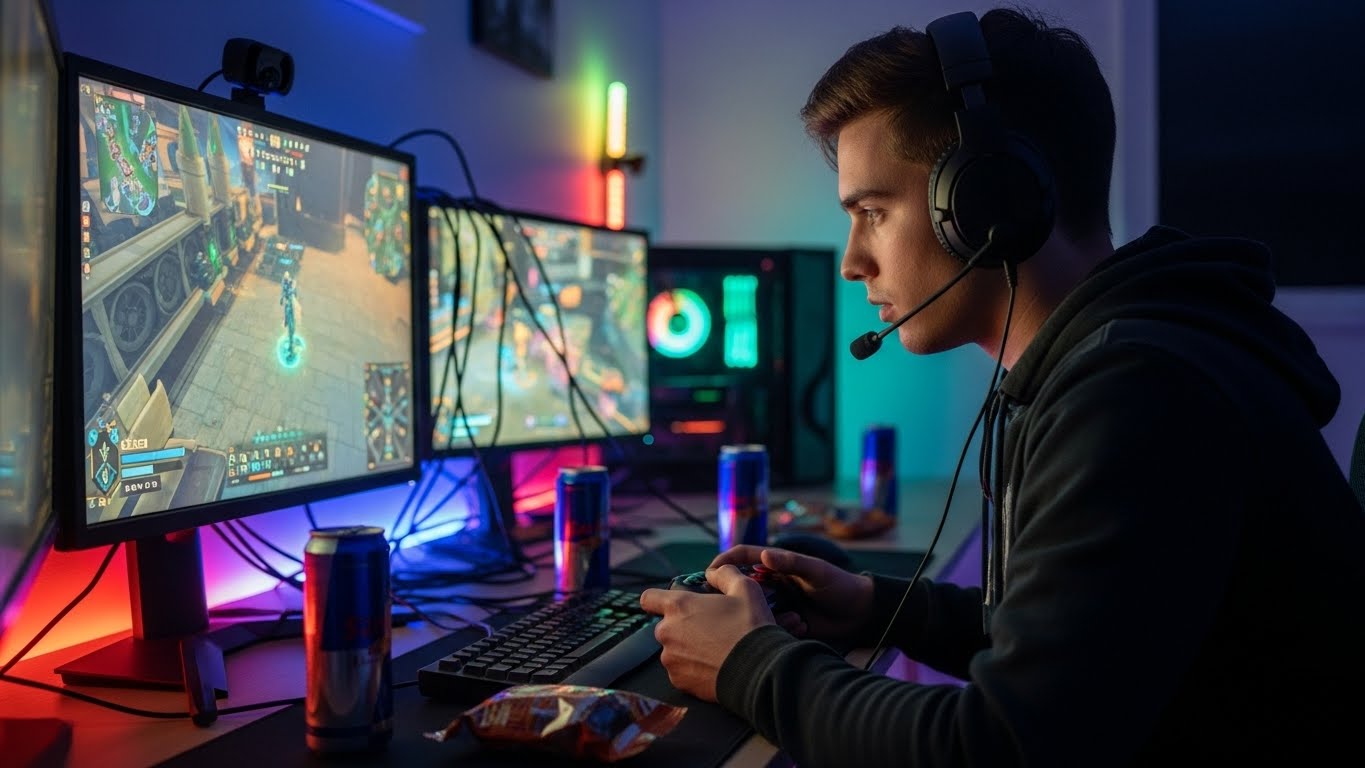
Gaming has evolved far beyond the realm of casual entertainment. What was once considered a simple pastime for children has transformed into a global phenomenon influencing culture, education, social connections, and even professional careers. From classic arcade games to cutting-edge virtual reality experiences, gaming continues to reshape the way we interact with technology and each other. In this blog, we explore the history, benefits, challenges, and future of gaming in modern society.
The Evolution of Gaming
The journey of gaming spans decades, beginning with simple mechanical and digital experiments. The 1970s introduced arcade classics such as Pong, which captivated audiences with interactive play. The 1980s and 1990s saw the rise of home consoles like the Nintendo Entertainment System and Sega Genesis, bringing iconic franchises such as Super Mario, Sonic the Hedgehog, and The Legend of Zelda into living rooms worldwide.
The personal computer further expanded the possibilities of gaming. PC titles like Myst, Doom, and The Sims offered complex narratives, advanced graphics, and interactive gameplay that challenged players intellectually and creatively. Today, gaming is accessible across multiple platforms, including consoles, computers, and smartphones, with immersive experiences powered by virtual and augmented reality.
Cognitive and Educational Benefits
Gaming is more than entertainment; it provides measurable cognitive benefits. Puzzle games and strategy titles improve problem-solving, critical thinking, and planning skills. Fast-paced action games enhance hand-eye coordination, reflexes, and multitasking abilities. Games like Portal, Civilization, and chess simulations demand logic, foresight, and adaptability, skills that often translate into real-life problem-solving and decision-making.
Educational games have become a valuable tool in classrooms, teaching subjects like mathematics, science, history, and language in engaging ways. Gamification, the use of game mechanics in educational and professional settings, motivates learners by introducing challenges, rewards, and interactive experiences, demonstrating that gaming can be both entertaining and instructive.
Gaming as a Creative Outlet
One of the most exciting aspects of gaming is its ability to foster creativity. Sandbox games such as Minecraft, Roblox, and The Sims allow players to design and build entire virtual worlds, encouraging imagination and innovation. Players are not just participants; they are creators, shaping their experiences and expressing ideas in visually dynamic and interactive environments.
Narrative-driven games also highlight storytelling potential. Titles like The Last of Us, Red Dead Redemption, and Life is Strange immerse players in compelling stories, requiring decisions that affect outcomes and character development. This combination of gameplay and narrative nurtures creativity, empathy, and critical thinking, transforming gaming into a medium for artistic expression.
The Social Dimension of Gaming
Gaming often promotes social interaction rather than isolation. Online multiplayer games require teamwork, communication, and coordination, allowing players to connect with friends and strangers alike. Communities form around shared interests, enabling people to exchange strategies, share experiences, and build friendships that often extend beyond virtual worlds.
Local tournaments, conventions, and eSports events further strengthen social bonds. Players come together to celebrate their passion, compete in friendly or professional matches, and engage in activities that foster camaraderie. Gaming has become a platform for connection, bridging cultural and geographical divides through shared enthusiasm.
The Rise of Competitive Gaming
Competitive gaming, or eSports, has transformed gaming into a spectator sport. Professional tournaments attract millions of viewers, offering prize pools in the millions and turning skilled players into celebrities. Games like League of Legends, Dota 2, Counter-Strike, and Fortnite have established international leagues and professional circuits.
eSports requires discipline, strategic thinking, and teamwork similar to traditional sports. Professional players train rigorously, analyze opponents, and refine strategies, highlighting the dedication needed to compete at high levels. The rise of eSports demonstrates that gaming is not just a hobby—it is a legitimate career and a global industry.
Gaming and Technology
The gaming industry is closely tied to technological innovation. High-performance graphics, advanced processors, and fast internet connections have made immersive gameplay possible. Virtual reality and augmented reality technologies are expanding the boundaries of what games can offer, creating lifelike experiences and interactive environments.
Artificial intelligence enhances gameplay by generating dynamic scenarios, responsive non-player characters, and personalized challenges. Procedural generation allows for virtually limitless worlds to explore, ensuring that no two gaming experiences are the same. Technology continues to push gaming beyond simple entertainment into interactive storytelling and experiential art.
Psychological and Emotional Impact
Gaming has significant psychological and emotional benefits. Successfully completing challenges, leveling up characters, or mastering game mechanics fosters confidence, motivation, and a sense of accomplishment. Multiplayer and cooperative games develop social skills, communication, and collaboration, while immersive narratives encourage empathy and emotional intelligence.
However, moderation is key. Excessive gaming, poor time management, and neglect of responsibilities can have negative effects on mental and physical health. Mindful gaming practices, such as setting time limits and balancing virtual play with real-world activities, ensure that gaming remains a positive influence.
Gaming in Education and Skill Development
Gaming is increasingly recognized as an educational tool. Simulation and strategy games develop critical thinking, planning, and decision-making skills. Educational platforms leverage gamification to make learning engaging and interactive, using rewards, challenges, and virtual environments to reinforce concepts.
In professional contexts, gaming principles are used for training, skill development, and collaboration. Simulation games allow employees to practice decision-making in controlled scenarios, while strategic games enhance problem-solving and resource management. Gaming thus extends beyond leisure, providing practical benefits in education and professional growth.
Challenges in Gaming
Despite its advantages, gaming faces challenges. Addiction, social isolation, and exposure to inappropriate content are significant concerns. Parents, educators, and players must cultivate responsible gaming habits, ensuring that play does not interfere with health, education, or social life.
The industry also grapples with issues of inclusivity and representation. Historically, gaming has lacked diversity in characters, narratives, and professional opportunities. Efforts to create inclusive games that reflect a broad range of experiences are critical to making gaming accessible and welcoming for all players.
The Future of Gaming
The future of gaming is filled with possibilities. Cloud gaming will allow access to high-quality games without the need for expensive hardware. Artificial intelligence and machine learning will create adaptive experiences tailored to individual players. Virtual and augmented reality will offer increasingly immersive and interactive worlds.
Social and cultural integration will continue to redefine gaming. Games will serve as platforms for learning, creative expression, and professional development, blurring the line between play and meaningful engagement. The future promises experiences that are not only entertaining but also enriching, educational, and socially connected.
Conclusion
Gaming is more than a pastime; it is a dynamic cultural and technological phenomenon. It enhances cognitive abilities, fosters creativity, builds social connections, and provides professional opportunities. From immersive narratives and sandbox worlds to competitive eSports and educational simulations, gaming impacts countless aspects of modern life.
With responsible engagement, technology-driven innovation, and inclusive practices, gaming can continue to offer meaningful experiences for players of all ages. Whether as a form of entertainment, a tool for learning, or a career path, gaming shapes lives and culture, proving that digital play has the power to influence the real world in profound ways.