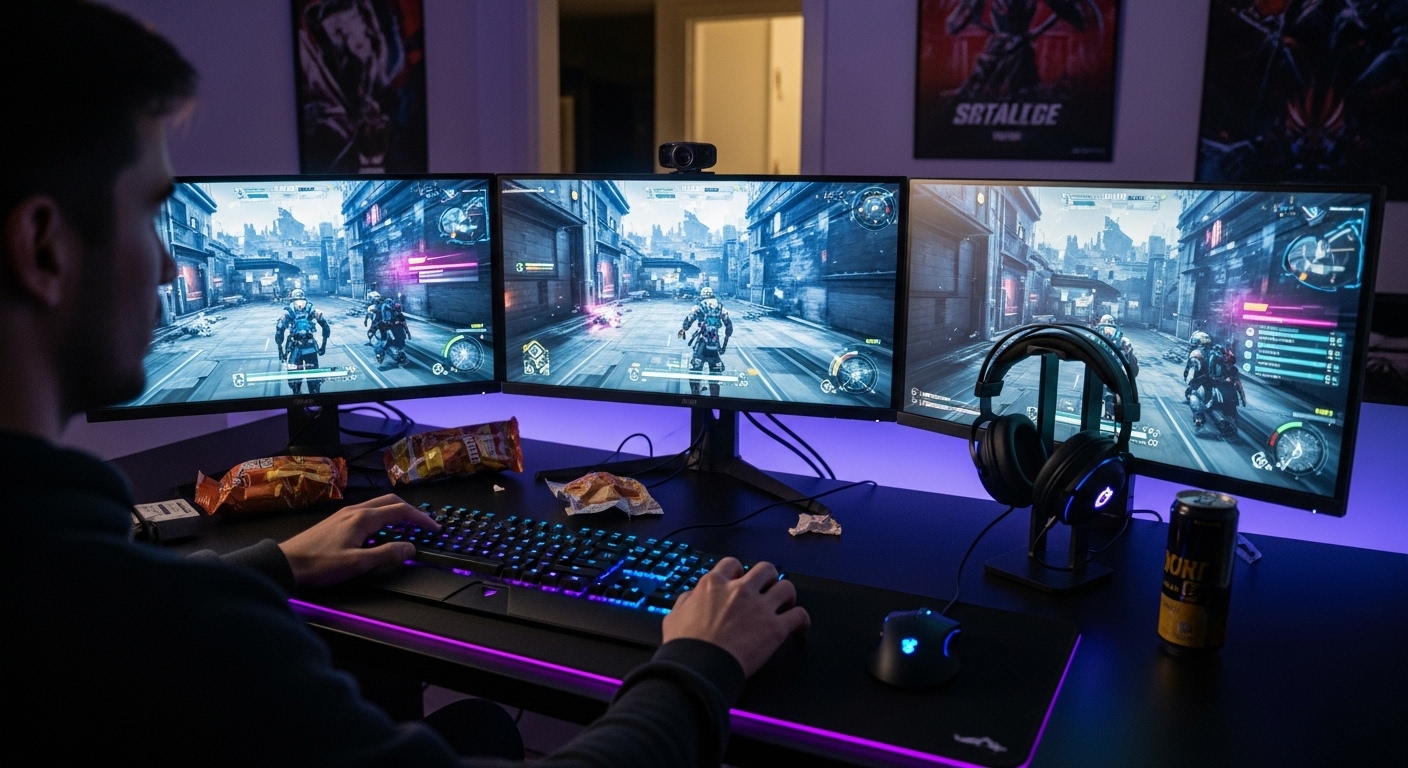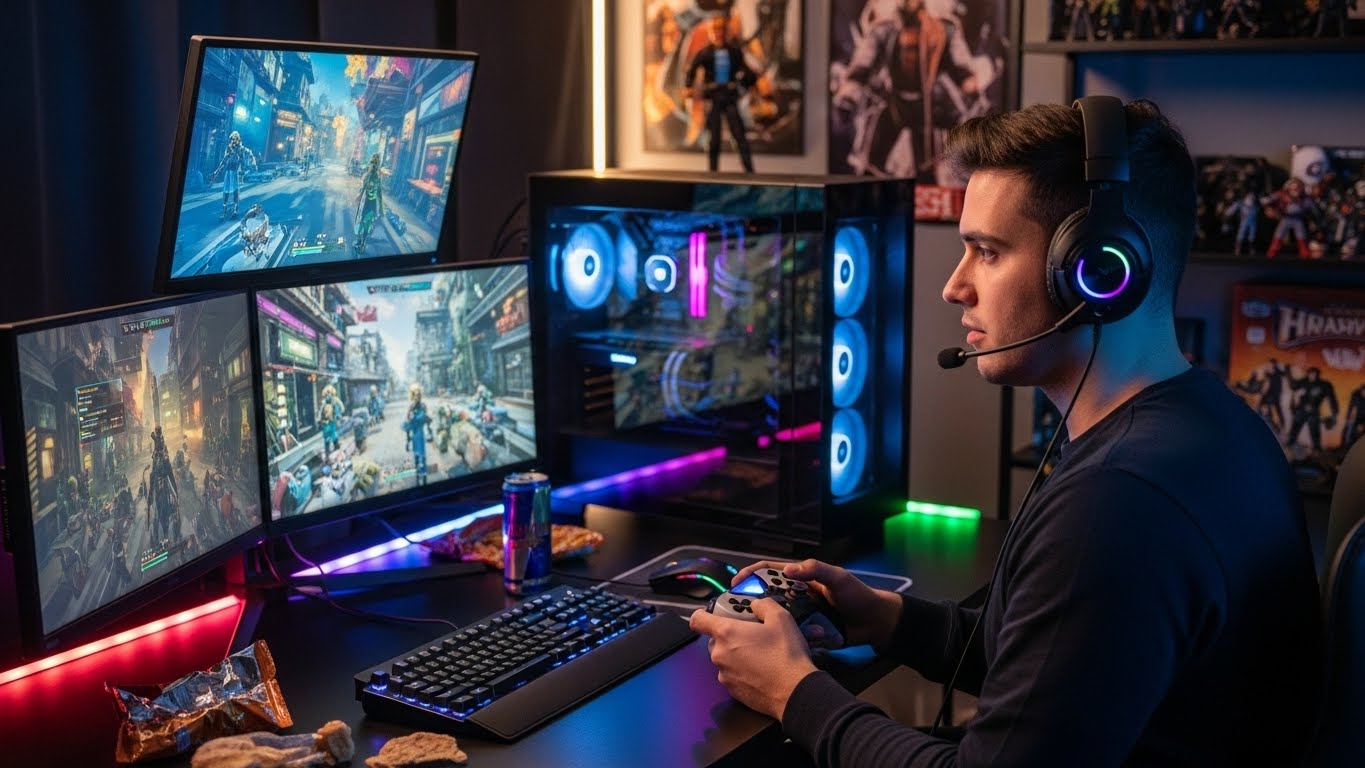
In the past few decades, gaming has evolved from a niche hobby into a global cultural phenomenon. Once confined to arcades and home consoles, gaming today spans across all age groups, cultures, and platforms. It has moved beyond entertainment, becoming an integral part of social life, competitive sports, education, and even mental health. As gaming continues to grow, it reflects broader technological trends, creative advancements, and cultural shifts. But how did gaming reach this point, and where is it headed? In this blog post, we’ll explore the history, impact, and future of gaming in a world that’s ever more interconnected and digital.
The Birth of Video Games: A Digital Revolution
The story of gaming begins in the late 1950s and early 1960s with the advent of computer-based entertainment. Early pioneers like William Higinbotham created simple interactive games such as Tennis for Two in 1958. This marked the beginning of the concept of digital play. However, it wasn’t until the early 1970s that video gaming as we know it began to take shape. Games like Pong (1972) by Atari and Space Invaders (1978) became the first commercial successes in the video game industry. These early arcade games were straightforward but addictive, offering a taste of what digital entertainment could become.
By the early 1980s, gaming had moved into homes with the advent of consoles like the Atari 2600 and Nintendo Entertainment System (NES). These systems brought iconic games like Super Mario Bros. and Pac-Man to living rooms, laying the foundation for the gaming culture that would grow exponentially in the years to follow. In a matter of decades, video games transformed from arcade machines to powerful home consoles and personal computers, enabling immersive experiences and complex gameplay.
The Golden Age of Gaming: 3D Graphics, Multiplayer, and Online Connectivity
As technology advanced throughout the 1990s, gaming entered what many call the “Golden Age.” With the introduction of 3D graphics, games became more visually sophisticated. Titles like Super Mario 64, The Legend of Zelda: Ocarina of Time, and Final Fantasy VII not only pushed technological boundaries but also raised the bar for storytelling, character development, and gameplay mechanics. Players were no longer just controlling avatars—they were stepping into new worlds.
The rise of the internet in the late 1990s and early 2000s marked a pivotal moment in gaming. The concept of multiplayer gaming, once limited to local split-screen modes, expanded to global online platforms. World of Warcraft, Counter-Strike, and Halo 2 were among the first games to offer online multiplayer experiences, where players could interact with others across the globe. This global connectivity transformed gaming into a social activity, with millions of players now able to compete, cooperate, and communicate in real-time.
The Mobile Revolution: Gaming for Everyone
The next major shift in gaming came with the proliferation of smartphones and mobile gaming in the late 2000s. With the release of the iPhone and the app store, gaming became something that everyone could access, regardless of age, location, or financial means. Games like Angry Birds, Candy Crush Saga, and Clash of Clans became household names, providing quick and easy gaming experiences that could be enjoyed on the go. Mobile gaming also helped diversify the kinds of games being made, with developers creating new genres and tapping into previously underserved audiences.
Mobile gaming has played a crucial role in changing how games are monetized as well. Free-to-play models, which allow players to download and play games without paying upfront but offer in-app purchases for cosmetic items, additional content, or gameplay boosts, became widespread. This model revolutionized the industry and made gaming more accessible to a broader audience. Today, the mobile gaming market is larger than the traditional console and PC gaming sectors combined, with millions of people worldwide spending time on their phones playing everything from casual puzzle games to complex strategy games.
Esports: Gaming as a Competitive Sport
One of the most significant developments in recent years has been the rise of esports. What started as a niche activity for dedicated gamers has now become a global industry, with professional leagues, massive sponsorships, and millions of viewers. Esports tournaments featuring games like League of Legends, Dota 2, Overwatch, and Fortnite now fill arenas and are broadcast live to millions of viewers on platforms like Twitch and YouTube.
The competitive gaming scene has evolved into something comparable to traditional sports, with players training full-time, building fanbases, and competing for significant prize money. Esports has even been recognized by organizations like the International Olympic Committee (IOC), and its inclusion in global sporting events is a possibility for the near future. From casual enthusiasts to professional athletes, gaming has truly become a competitive sport, with intense training regimens, sponsorship deals, and global tournaments.
The Cultural Impact of Gaming
Beyond being a form of entertainment, gaming has become an integral part of modern culture. It has shaped how we socialize, how we experience stories, and how we interact with technology. Games like The Witcher 3: Wild Hunt and Red Dead Redemption 2 have raised the bar for storytelling in video games, offering rich narratives, deep character arcs, and emotionally charged moments that rival the best films and TV shows. These games have brought attention to the creative potential of video games as a medium, and as the industry matures, more game developers are focusing on complex narratives and immersive experiences.
Gaming also serves as a form of self-expression. From customizing avatars to building worlds in Minecraft or The Sims, players have opportunities to create their own unique spaces and identities. This creative freedom fosters a sense of ownership and connection to the games people play, often leading to fan communities, fan art, and modding scenes that contribute to the longevity and vitality of many games.
Moreover, video games have transcended their role as entertainment, becoming a platform for socializing. Online multiplayer games, in particular, allow players to build lasting friendships and communities, sometimes transcending national borders. For many, gaming is not just about the game itself but about the social connections it fosters.
Gaming and Mental Health: A Double-Edged Sword
While gaming can provide entertainment, connection, and even educational benefits, it also raises concerns, particularly regarding mental health. There has been a growing conversation around the potential negative effects of excessive gaming, including addiction, social isolation, and its impact on physical health.
On the positive side, studies have shown that gaming can improve cognitive abilities, problem-solving skills, and even relieve stress. Games like Tetris have been linked to improvements in spatial reasoning, while puzzle games and strategy titles can enhance critical thinking. In some cases, games are even being used for therapeutic purposes, such as improving memory or alleviating anxiety.
On the flip side, the rise of “toxic” online environments, where harassment and bullying are rampant, has made some games less enjoyable. The addictive nature of games, especially those with microtransactions or battle passes, has also been a point of concern, leading to issues like compulsive playing and disrupted sleep patterns.
The Future of Gaming: Virtual Reality, AI, and Beyond
As we look ahead, the future of gaming seems poised for even more exciting developments. Virtual reality (VR) and augmented reality (AR) technologies are already beginning to redefine how we experience games. VR headsets, such as the Oculus Quest, provide players with an immersive experience that makes them feel as though they are truly part of the game world. As these technologies become more accessible and affordable, VR gaming could become the next big frontier.
Artificial intelligence (AI) is also likely to play a major role in the future of gaming. AI could be used to create smarter, more dynamic non-playable characters (NPCs), enhancing the realism and interactivity of virtual worlds. It could also revolutionize procedural content generation, allowing for the creation of vast, unique game worlds that are different every time a player enters them.
Moreover, cloud gaming, which allows players to stream games directly to their devices without the need for expensive hardware, is expected to grow rapidly in the coming years. This could make high-quality gaming more accessible to a broader audience, particularly in regions where powerful gaming PCs or consoles are not as common.
Conclusion: Gaming as an Ever-Evolving Medium
Gaming has come a long way from its humble beginnings in the 1950s. What was once a niche pastime has evolved into a multi-billion-dollar industry that is an integral part of modern culture. Whether through its impact on entertainment, education, or socialization, gaming has touched almost every aspect of our lives.
Looking forward, the gaming industry is set to continue its rapid expansion, fueled by advancements in technology, creativity, and cultural relevance. As we dive deeper into virtual worlds and experience more interactive narratives, it’s clear that gaming is not just a pastime—it’s a fundamental part of how we engage with the world. It’s an art form, a social activity, and a competitive sport, all rolled into one. The future of gaming is bright, and we are only scratching the surface of what is possible.