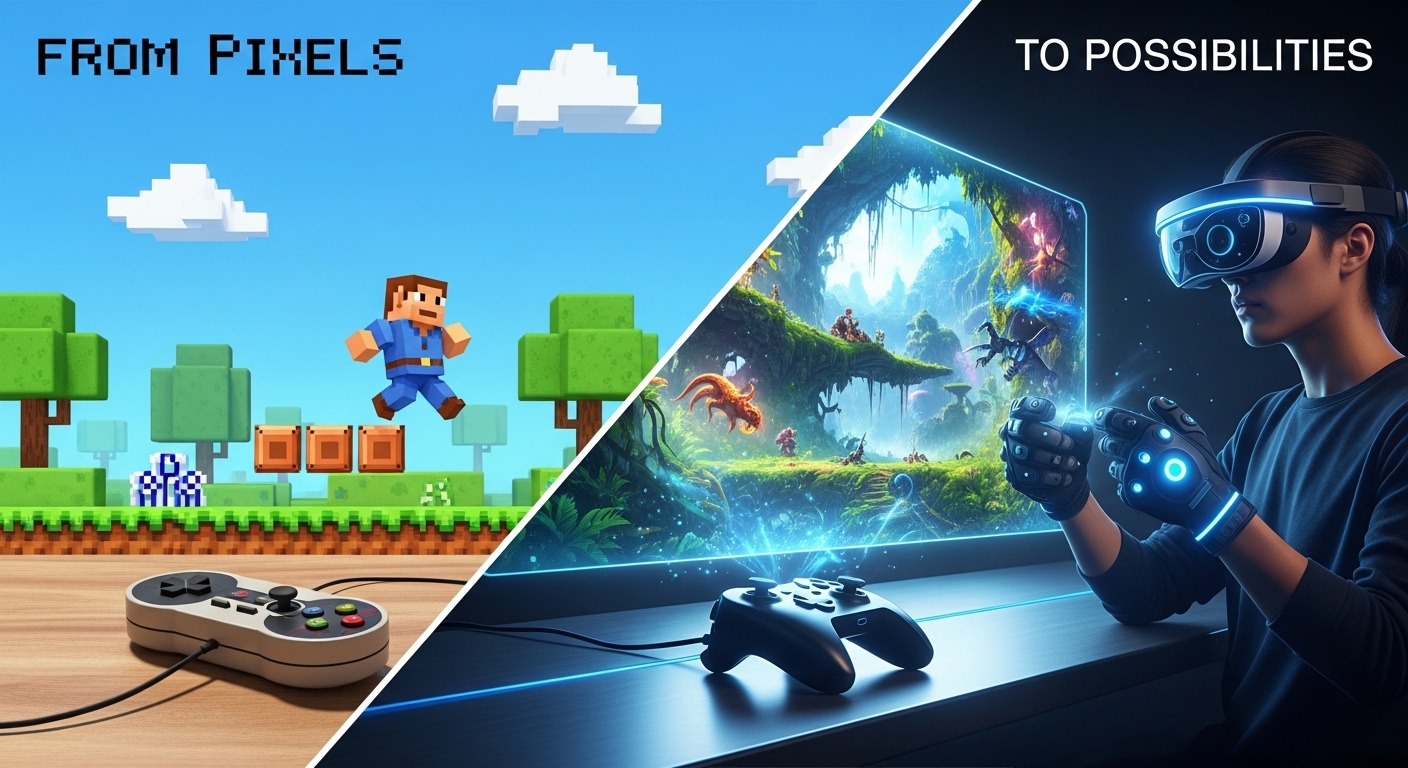
The world of gaming has evolved dramatically over the past few decades. What started as simple pixelated entertainment has now grown into a multibillion-dollar industry that influences culture, technology, and social interaction. From casual mobile games to highly competitive esports, gaming has become an integral part of modern life. This blog explores the current state of gaming, its cultural impact, technological advancements, and the future trends shaping the way people play.
Understanding the Scope of Gaming
Gaming is no longer limited to consoles or personal computers. Today, it encompasses a wide variety of platforms, genres, and styles. The gaming industry includes console gaming, PC gaming, mobile gaming, cloud gaming, virtual reality experiences, and esports competitions. Each platform offers unique experiences and caters to diverse audiences, making gaming one of the most inclusive entertainment mediums in the world.
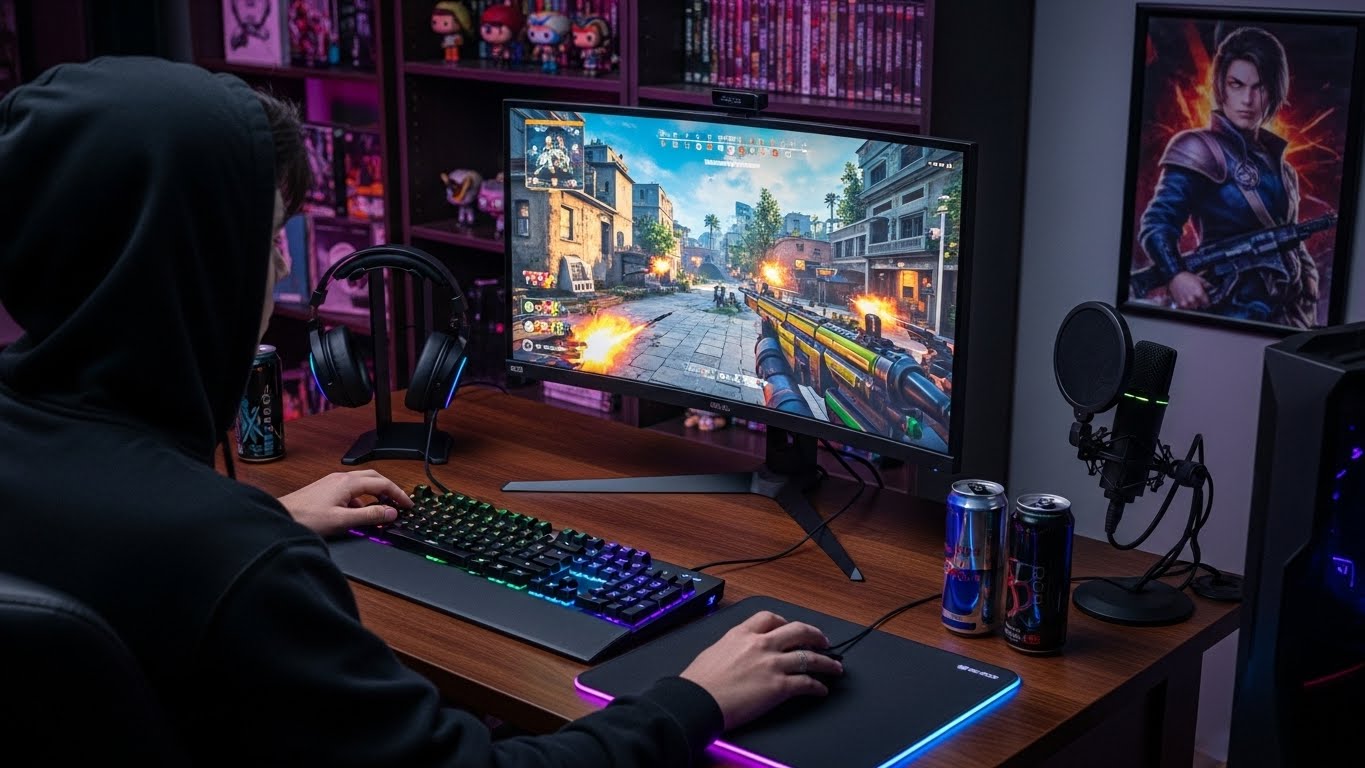
Console gaming remains popular due to immersive storytelling and high-quality graphics. PC gaming is favored by competitive players and those who value customization and performance. Mobile gaming has expanded the audience significantly, allowing people to play games anytime, anywhere. Cloud gaming and streaming services are redefining accessibility by removing the need for expensive hardware.
The Evolution of Gaming Technology
The advancements in technology have been central to the gaming industry’s growth. Graphics engines, processing power, and internet connectivity have enabled games to become more realistic, complex, and immersive. Modern games feature detailed environments, dynamic physics, and intricate storylines that rival those of blockbuster films.
Artificial intelligence plays a key role in modern gaming. AI-driven non-player characters (NPCs) create realistic and challenging gameplay scenarios, adapting to player strategies in real-time. Machine learning also enables personalized gaming experiences, such as recommendations based on playstyle, or adaptive difficulty levels that suit a player’s skill.
Virtual reality (VR) and augmented reality (AR) have opened entirely new dimensions in gaming. VR immerses players in fully interactive digital worlds, while AR overlays digital content onto the real environment. These technologies provide unique, hands-on experiences that traditional gaming platforms cannot match, giving players an entirely new way to engage with their favorite titles.
Popular Gaming Genres
Gaming encompasses a wide variety of genres, each offering unique experiences and catering to different preferences. Understanding these genres can help explain why gaming has become such a global phenomenon.
Action and Adventure Games
Action and adventure games are among the most popular genres. They combine exploration, combat, and storytelling to create immersive experiences. Players often embark on quests, solve puzzles, and engage in dynamic combat. This genre includes both single-player adventures and multiplayer action titles, appealing to a broad audience seeking excitement and challenge.
Role-Playing Games (RPGs)
RPGs allow players to assume the roles of characters in expansive worlds, often with detailed narratives and customizable skills. These games emphasize character development, decision-making, and storytelling. RPGs can be single-player or massively multiplayer online games, offering long-term engagement through exploration, progression, and social interaction.
Simulation and Strategy Games
Simulation games allow players to mimic real-life activities, such as running a business, building a city, or managing a sports team. Strategy games focus on tactical thinking, planning, and resource management. Both genres require careful planning, problem-solving, and decision-making, attracting players who enjoy cerebral challenges.
Sports and Racing Games
Sports and racing games replicate real-world sports and competitions, offering both casual and competitive gameplay. Realistic physics engines, online tournaments, and detailed player statistics enhance the experience, making these games popular among fans of traditional sports as well as digital competitions.
Casual and Mobile Games
Casual and mobile games are designed for quick, accessible entertainment. They often feature simple mechanics, short play sessions, and engaging visuals. These games have expanded the gaming audience by appealing to people who might not typically engage with traditional gaming platforms.
The Rise of Competitive Gaming and Esports
One of the most significant developments in modern gaming is the rise of esports. Competitive gaming has transformed gaming from a hobby into a professional pursuit. Esports tournaments attract millions of viewers worldwide, offering substantial prize money and sponsorship opportunities.
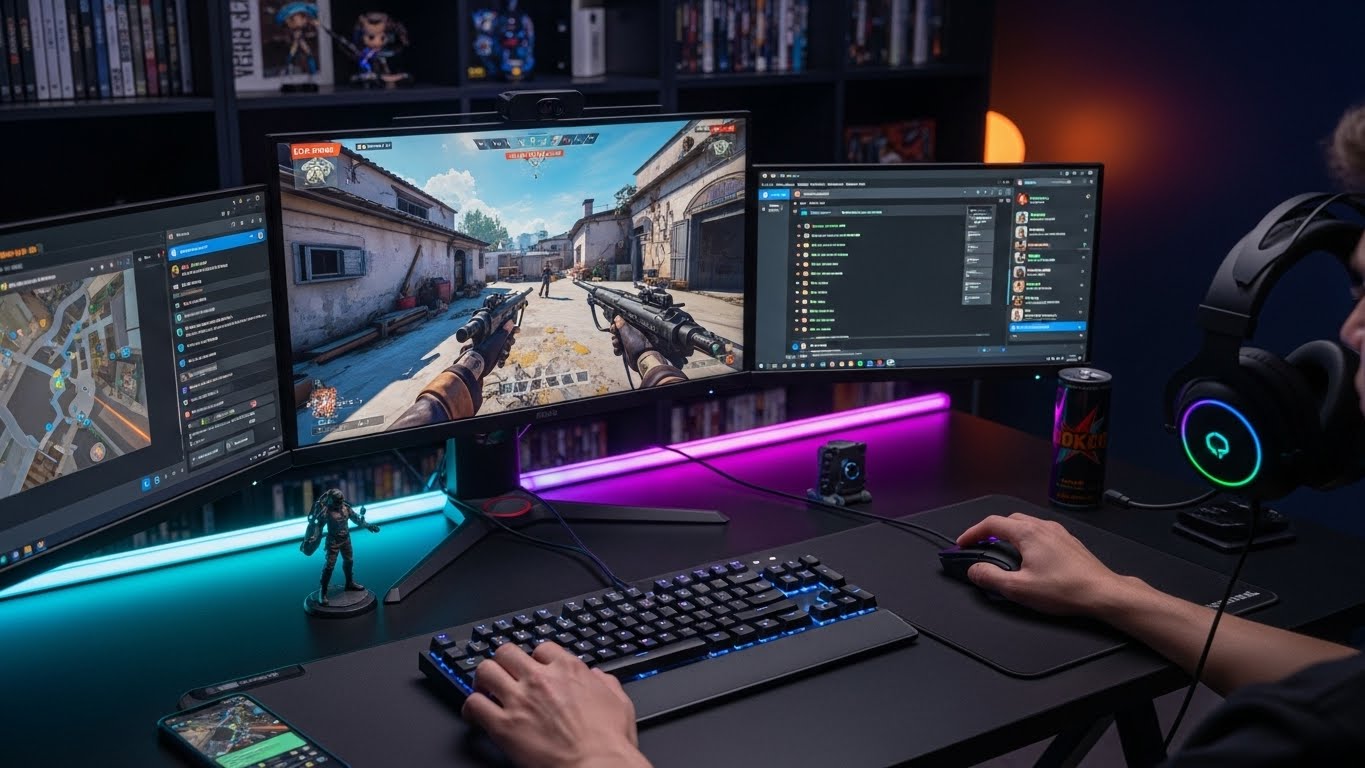
Esports spans multiple genres, including first-person shooters, real-time strategy games, and multiplayer online battle arenas. Professional players undergo rigorous training, strategy planning, and teamwork to excel at the highest levels. Streaming platforms and live broadcasts have turned esports into a spectator sport, bridging the gap between traditional sports and digital entertainment.
The Cultural Impact of Gaming
Gaming is no longer just entertainment; it has become a cultural phenomenon. It influences music, fashion, storytelling, and social interaction. Popular games inspire merchandise, movies, and even fan communities that extend beyond the digital world.
Social interaction is a core aspect of modern gaming. Multiplayer games, online communities, and social features foster connections between players across the globe. Gaming has become a social platform where friendships, collaboration, and competition intersect, creating unique communities united by shared interests.
Furthermore, gaming has contributed to creative expression. Players are not only consumers but also creators, building custom maps, mods, and fan content. This culture of creation enriches the gaming ecosystem and encourages innovation.
Gaming and Education
Beyond entertainment, gaming has educational applications. Educational games and gamified learning platforms utilize gameplay mechanics to teach skills, enhance problem-solving abilities, and reinforce learning in engaging ways. Simulations allow students to experience real-world scenarios, from business management to scientific exploration, in interactive environments.
Even mainstream games often incorporate elements that promote strategic thinking, teamwork, and resource management. By engaging players in decision-making, critical thinking, and creative problem-solving, games can serve as tools for cognitive development and skill-building.
The Economics of Gaming
The gaming industry is a major economic force. Revenue comes from game sales, in-game purchases, subscriptions, and competitive events. Mobile gaming alone generates billions annually, driven by freemium models, microtransactions, and advertising.
Game development also creates employment opportunities for millions worldwide. Programmers, artists, writers, designers, sound engineers, and marketers all contribute to creating and sustaining the gaming ecosystem. The industry stimulates innovation in technology, art, and storytelling, providing economic and cultural value beyond pure entertainment.
Challenges in the Gaming Industry
While gaming offers immense benefits, it also faces challenges. One of the primary concerns is addiction. Excessive gaming can impact mental health, social relationships, and daily responsibilities. Recognizing the signs of problem gaming and promoting balanced play is essential for both players and developers.
Diversity and representation are also ongoing challenges. Historically, the industry has been dominated by certain demographics, but there is a growing push for inclusivity in game design, characters, and storytelling. Promoting diverse narratives and voices ensures that gaming appeals to a broader audience and reflects global culture.
Finally, cybersecurity is a critical concern. Online games often involve transactions, personal data, and multiplayer interactions. Developers must prioritize data protection, secure payment systems, and anti-cheat mechanisms to maintain trust and safety within the gaming community.
The Future of Gaming
The future of gaming is poised for continued growth and innovation. Technologies like artificial intelligence, cloud gaming, virtual reality, and augmented reality will create increasingly immersive and accessible experiences. Cross-platform play, cloud services, and advanced streaming will remove barriers between devices, making gaming seamless across hardware.
The line between gaming, entertainment, and social interaction will continue to blur. Virtual worlds may become spaces for socialization, education, and commerce, expanding gaming’s role in everyday life. Gamification of non-gaming activities will also grow, leveraging the engagement and motivation of game mechanics in other domains.
Esports and competitive gaming are likely to expand further, with professional leagues, global tournaments, and spectator-driven experiences reaching new heights. Gaming as a career will become more mainstream, while communities and fan-driven content will continue to shape the industry from the ground up.
Conclusion
Gaming has transformed from a niche pastime into a cultural and economic powerhouse. It influences technology, creativity, education, and social interaction in unprecedented ways. Whether through casual mobile games, immersive virtual reality experiences, or competitive esports, gaming offers diverse opportunities for entertainment, learning, and connection.
The industry’s future is full of potential, with innovations in technology, accessibility, and storytelling paving the way for new experiences. By balancing growth with responsible practices, inclusivity, and player well-being, the gaming industry can continue to thrive while shaping the way people play, connect, and imagine in the modern era.
Gaming is no longer just a hobby—it is a lens through which we experience creativity, community, and culture. As technology evolves, so too will the ways we play, ensuring that gaming remains at the forefront of digital entertainment for years to come.