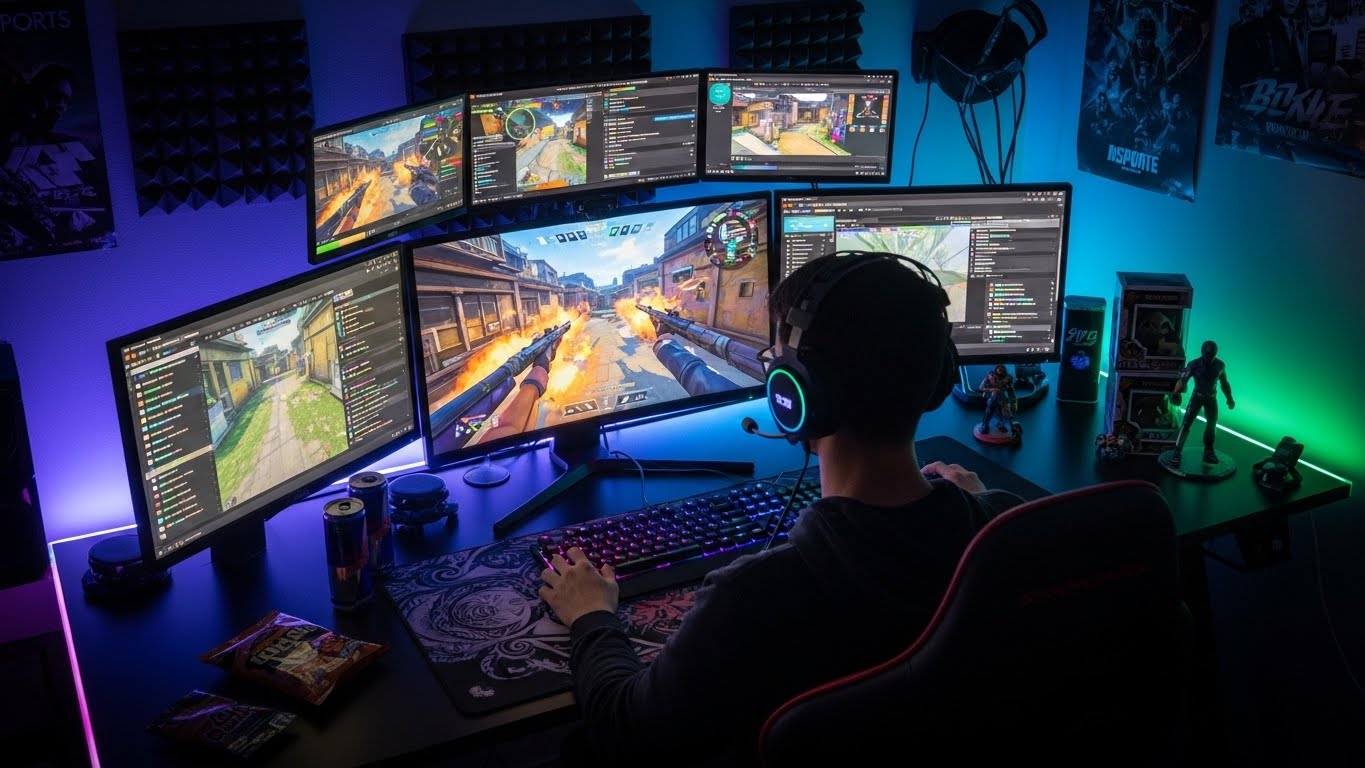
Introduction: Gaming as a Cultural Phenomenon
Gaming has evolved far beyond its origins as a niche hobby. Today, it stands as one of the most influential cultural and technological phenomena globally. From simple pixelated games to immersive virtual realities, gaming captivates millions and shapes not only entertainment but also education, social interaction, and even professional careers. This blog explores the multifaceted world of gaming, its evolution, impact, and what the future holds for players and the industry alike.
The Origins of Gaming: From Arcades to Consoles
The story of gaming begins in the 1970s and 1980s with arcade machines and the advent of home consoles. Titles like Pong and Space Invaders introduced the concept of interactive digital entertainment. Early consoles such as the Atari 2600 brought gaming into households, setting the stage for a booming industry.
Despite limited graphics and simplistic gameplay by today’s standards, these early games captured imaginations and sparked a desire for more complex and engaging experiences. The emergence of iconic franchises during this era laid the groundwork for a cultural shift toward gaming as a mainstream pastime.
The Rise of PC Gaming and Online Multiplayer
The 1990s saw a surge in PC gaming, which allowed for greater graphical fidelity and complex gameplay. Games like Doom, Quake, and Warcraft pioneered multiplayer experiences, transforming gaming into a social activity. The introduction of the internet revolutionized this aspect, allowing players worldwide to connect and compete in real-time.
Online multiplayer games created communities that extended beyond gameplay, fostering friendships and even professional collaborations. This era marked a significant turning point, shifting gaming from solitary or local social play to a global, interconnected experience.
Console Wars and Technological Innovation
The rivalry between major console manufacturers such as Sony, Microsoft, and Nintendo fueled rapid technological advances. Each generation of consoles introduced new features like 3D graphics, motion controls, and online connectivity, enhancing immersion and accessibility.
This competition also expanded the diversity of game genres and storytelling methods. From sprawling open-world adventures to tight, narrative-driven experiences, consoles became platforms for creative expression and technological experimentation.
The Explosion of Mobile Gaming
Mobile gaming has dramatically broadened the reach of video games. Smartphones and tablets transformed gaming from a fixed activity into something portable and accessible anywhere. Titles like Candy Crush, Pokémon Go, and Clash of Clans attracted vast audiences, many of whom might not have identified as traditional gamers.
This accessibility introduced new demographics to gaming and sparked innovations in monetization, such as microtransactions and free-to-play models. Mobile gaming also demonstrated how games could intersect with real-world environments, as seen with augmented reality features.
Esports: The Professionalization of Gaming
One of the most significant recent developments is the rise of esports, where competitive gaming has become a professional sport with millions of viewers worldwide. Games like League of Legends, Dota 2, and Counter-Strike have massive followings and prize pools rivaling traditional sports.
Esports have created new career paths for players, coaches, analysts, and content creators. Tournaments are broadcast globally, with dedicated arenas, sponsorships, and fan communities. This professionalization elevates gaming’s cultural status and challenges long-held perceptions of it as merely recreational.
Gaming and Social Interaction
Beyond competition, gaming fosters social connection and community. Multiplayer games encourage teamwork, communication, and social bonding. Platforms like Discord and Twitch enable players to interact beyond gameplay, sharing experiences, tips, and entertainment.
Gaming can serve as a social lifeline, especially in times of isolation or for individuals who find face-to-face interaction challenging. Virtual worlds offer spaces for friendship, collaboration, and even romance, highlighting the medium’s ability to bridge social gaps.
Educational and Therapeutic Applications
Games are increasingly recognized for their educational potential. Serious games designed for learning teach everything from language skills to science concepts through engaging mechanics. Gamification techniques motivate users to practice skills and absorb information effectively.
In therapy, gaming aids cognitive development, physical rehabilitation, and mental health treatment. Virtual reality environments help treat phobias, PTSD, and anxiety by providing controlled, immersive experiences. These applications reveal gaming’s power beyond entertainment, as a tool for growth and healing.
The Cultural Impact of Storytelling in Games
Modern games offer rich narrative experiences that rival books and films. Through complex characters, branching storylines, and player agency, games create deeply personal and immersive storytelling. Titles like The Last of Us, Red Dead Redemption, and Journey demonstrate games’ unique ability to evoke emotion and provoke thought.
This storytelling potential expands cultural expression and artistic innovation. Game developers are exploring diverse perspectives, tackling social issues, and crafting experiences that resonate across cultures and identities.
Challenges in the Gaming Industry
Despite its growth, the gaming industry faces challenges. Issues like crunch culture, where developers work excessive hours, highlight concerns about workplace ethics. The prevalence of toxic behavior in online communities also undermines inclusivity and enjoyment.
Moreover, debates about screen time, addiction, and the impact of violent content continue. These concerns prompt calls for responsible game design, better player support, and education on healthy gaming habits.
The Future of Gaming: Virtual and Augmented Reality
The next frontier in gaming technology lies in virtual reality (VR) and augmented reality (AR). VR immerses players in fully digital worlds, providing sensory experiences that deepen engagement. AR blends game elements with the real world, creating innovative interactions.
These technologies promise to redefine gameplay and social interaction. Though still developing, VR and AR could transform gaming into even more immersive, accessible, and creative experiences.
The Role of Indie Games and Innovation
While big studios dominate the market, indie games play a crucial role in driving innovation. Smaller teams and individual developers take creative risks, producing unique gameplay and art styles. Games like Undertale, Celeste, and Hades have garnered critical acclaim and commercial success by breaking conventional molds.
Indie games often tackle niche themes and experimental mechanics, enriching the gaming ecosystem and inspiring larger studios to explore new ideas.
Gaming and Diversity
The push for diversity and representation in gaming is gaining momentum. Efforts to include more women, people of color, LGBTQ+ individuals, and different cultural backgrounds both in games and the industry aim to create a more inclusive environment.
Representation affects how players see themselves and others, shaping perceptions and social attitudes. Diverse narratives and characters enrich storytelling and broaden the appeal of games to global audiences.
Gaming and Environmental Awareness
Some games incorporate environmental themes, raising awareness about climate change, conservation, and sustainability. Interactive experiences can educate players on real-world issues through immersive storytelling and decision-making.
As gaming’s environmental footprint grows, there is also a push for sustainable practices within the industry, from energy-efficient data centers to eco-friendly packaging and production.
The Economic Impact of Gaming
Gaming is a massive economic force, generating billions annually through software sales, hardware, advertising, and merchandise. It creates jobs in development, marketing, esports, and content creation.
The industry’s growth supports innovation in technology, entertainment, and education sectors. It also stimulates related markets like streaming, hardware manufacturing, and event management.
Gaming Communities and Fan Culture
Communities built around games are vibrant and creative. Fans produce art, music, cosplay, fan fiction, and mods that extend the life and reach of games. These cultural practices foster engagement and belonging.
Fan conventions and online forums provide spaces for celebration, discussion, and collaboration. The participatory nature of gaming culture exemplifies how digital media can empower users to become creators.
Conclusion: Gaming as a Catalyst for Change and Connection
Gaming is no longer just a pastime; it is a dynamic force shaping culture, technology, and society. It connects people, tells stories, educates, entertains, and even heals. As the industry evolves, so too does the potential for gaming to positively impact lives worldwide.
By embracing its challenges and opportunities, gaming can continue to be a source of joy, innovation, and community for generations to come.