Introduction: Gaming as a Cultural Force
Gaming has evolved from a niche hobby into a powerful cultural and social phenomenon. Once confined to arcades and home consoles, it now spans mobile devices, virtual reality, and online platforms connecting millions of players worldwide. Gaming is not just a form of entertainment; it shapes social interactions, fosters creativity, and has even become a viable professional pursuit. This blog explores the history of gaming, its technological evolution, social impact, creative storytelling, challenges, and the future of this dynamic industry.
The Origins of Gaming: Arcades and Classic Consoles
The history of gaming begins with arcade machines in the 1970s and 1980s. Iconic games like Pac-Man, Space Invaders, and Donkey Kong captivated audiences with simple but addictive mechanics. Arcades were more than places to play; they were social hubs where players competed for high scores, shared strategies, and built friendships.
The arrival of home consoles transformed gaming, making it accessible to a wider audience. Systems such as the Nintendo Entertainment System and Sega Genesis brought colorful graphics, engaging storylines, and multiple genres to living rooms. This era marked the start of gaming as mainstream entertainment, establishing a foundation for the diverse industry we see today.
PC Gaming: Strategy, Skill, and Online Communities
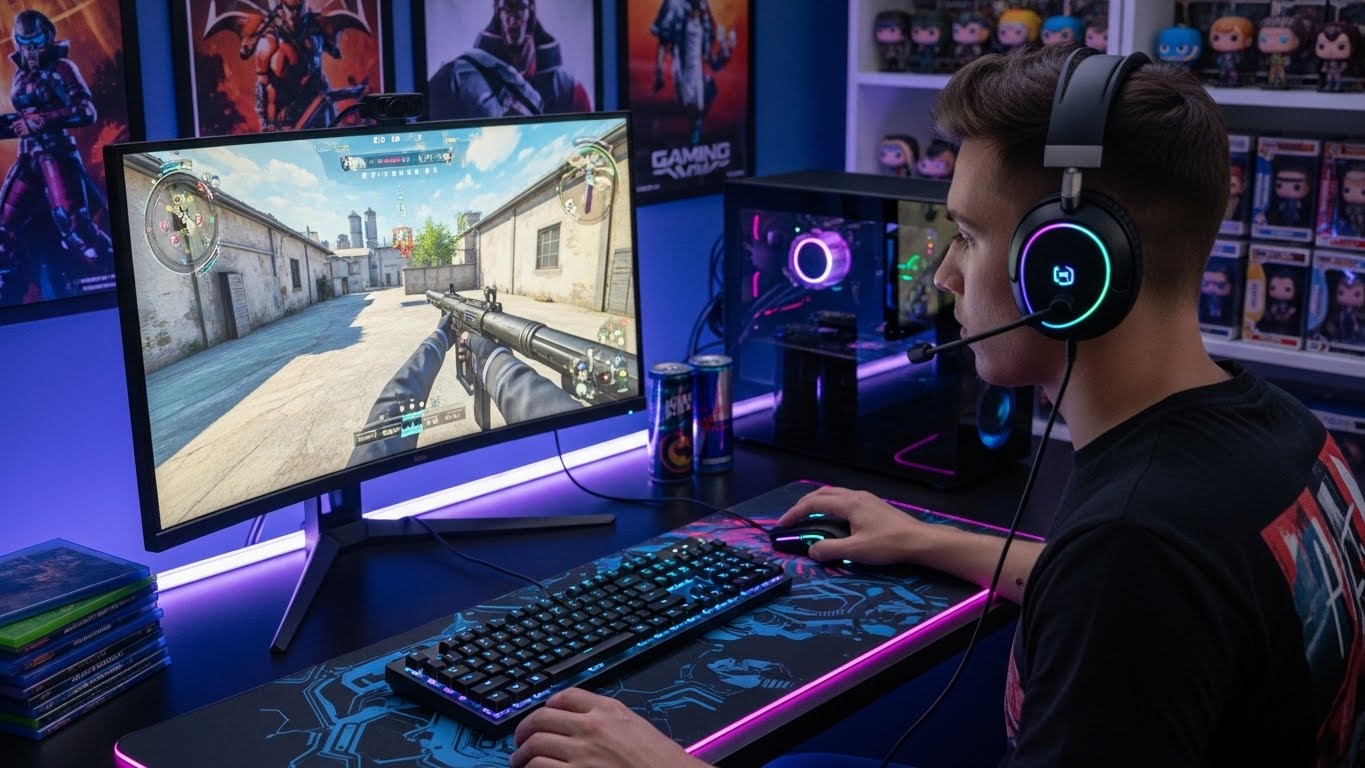
While consoles brought gaming into homes, personal computers offered complexity, customization, and high-quality graphics. PC gaming introduced genres like strategy, simulation, role-playing, and first-person shooters, which demanded both analytical thinking and quick reflexes.
One of the most significant developments in PC gaming was online multiplayer functionality. Games like StarCraft, Counter-Strike, and World of Warcraft allowed players to connect globally, creating competitive and cooperative experiences. These online communities laid the foundation for esports, professional gaming, and the social dimension of modern gaming.
Mobile Gaming: Gaming Anytime, Anywhere
The rise of smartphones revolutionized gaming by making it accessible anytime and anywhere. Mobile games cater to both casual and dedicated gamers, turning short breaks or commutes into opportunities for engagement. Titles like Clash of Clans, Candy Crush, and PUBG Mobile illustrate the wide appeal of mobile gaming, attracting millions of players across age groups.
Mobile gaming also introduced new revenue models, including freemium games and in-app purchases. While these models have sparked debates about fairness and addictive design, they provide ongoing support for developers and help maintain vibrant gaming communities.
Technological Innovations in Gaming
Modern gaming relies on technology to create immersive and engaging experiences. Advanced graphics cards, processors, virtual reality, and augmented reality have enabled lifelike visuals, realistic physics, and intelligent AI.
Cloud gaming has further transformed accessibility by allowing players to stream games without high-end hardware. Innovations like motion capture, haptic feedback, and 3D audio enhance immersion, making players feel like active participants rather than observers. Technology continues to push the boundaries of creativity and interactivity in gaming.
Social Dimensions of Gaming
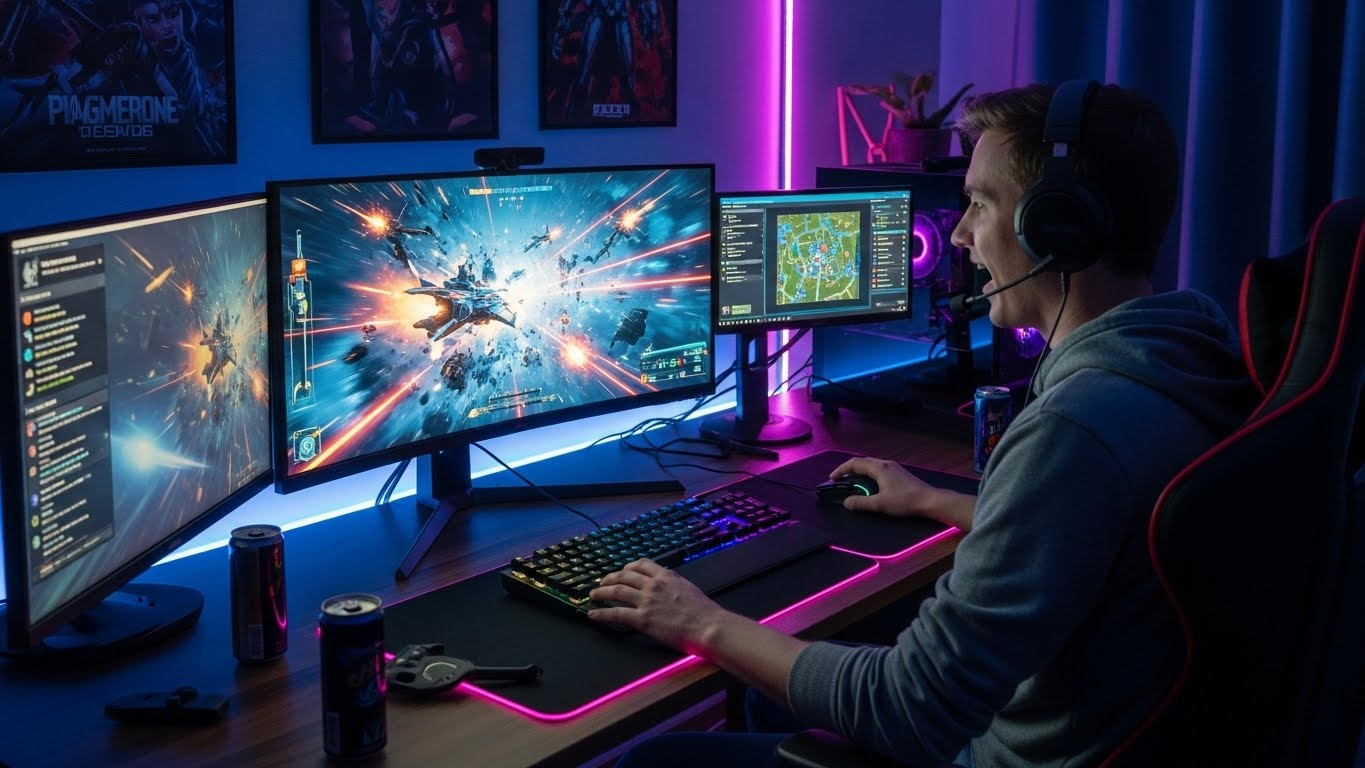
Gaming is no longer an isolated activity. Multiplayer games, online communities, and live streaming platforms have created vibrant social networks. Players can collaborate, compete, and communicate globally, forging friendships and teamwork skills.
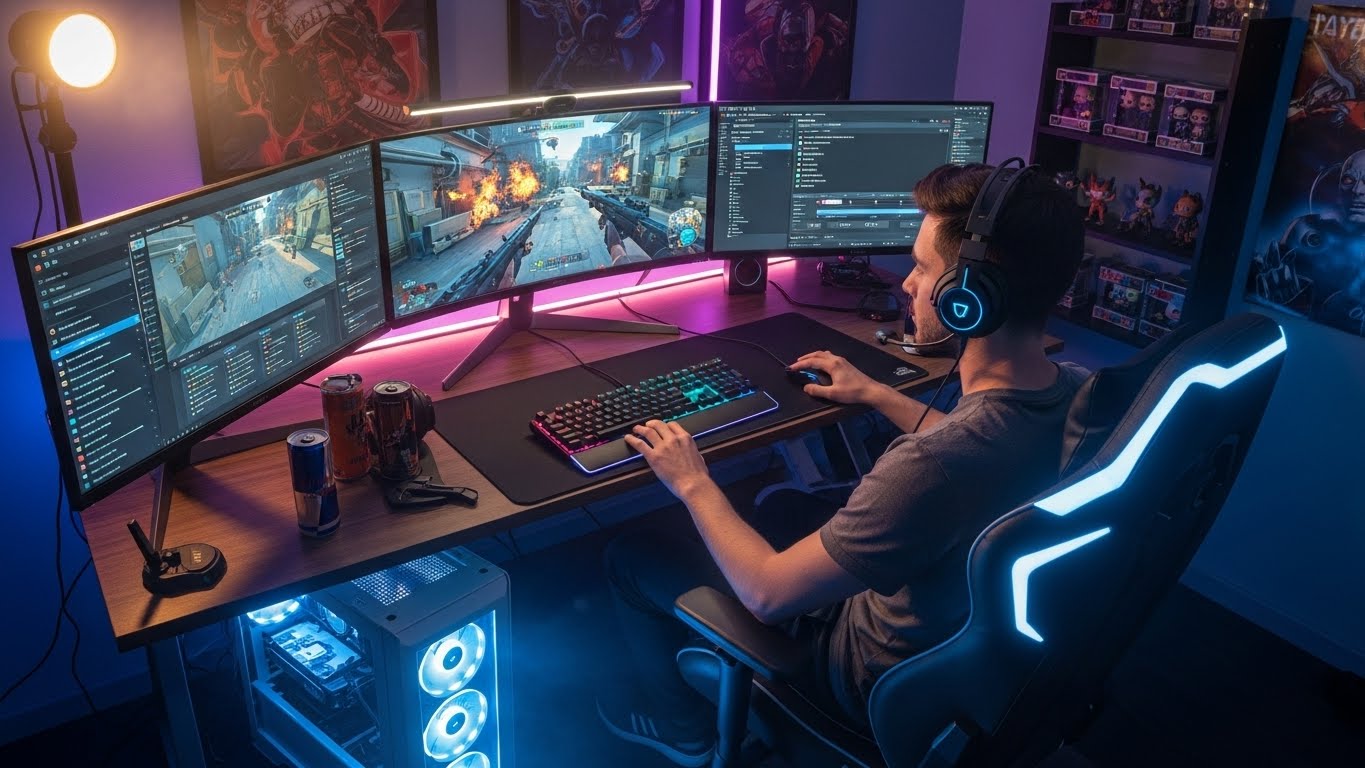
Esports has transformed gaming into a spectator experience, with tournaments drawing millions of viewers worldwide. Fans follow professional players, analyze strategies, and interact through streaming platforms, creating a shared cultural experience. Gaming communities foster collaboration, communication, and a sense of belonging that extends beyond the game itself.
Gaming as Storytelling and Art
Beyond competition and social interaction, gaming is a powerful storytelling medium and artistic expression. Narrative-driven games explore complex themes, ethical dilemmas, and emotional journeys. Titles like The Last of Us, Red Dead Redemption, and Life is Strange demonstrate how games can evoke empathy and provoke thought.
Artistic elements such as music, visual design, and interactive mechanics amplify the emotional impact of games. Unlike passive media, gaming allows players to influence narratives through choices, creating personalized experiences. This fusion of interactivity, art, and storytelling makes gaming unique as a form of cultural expression.
The Economic Impact of Gaming
Gaming has evolved into a multi-billion-dollar industry, contributing significantly to global economies. Professional esports leagues, game development studios, and streaming platforms generate revenue through sponsorships, media rights, merchandise, and in-game purchases.
Career opportunities in gaming extend beyond playing. Roles in game design, programming, broadcasting, and event management provide livelihoods for millions worldwide. Gaming’s economic influence continues to expand as technology, culture, and audience engagement evolve.
Challenges Facing the Gaming Industry
Despite its growth, gaming faces several challenges. Addiction, excessive screen time, and online toxicity are ongoing concerns. Developers and platforms are addressing these issues through game design, moderation tools, and responsible play initiatives.
Economic challenges, such as balancing monetization with fairness, also exist. Practices like microtransactions and pay-to-win mechanics spark debate. Inclusivity and representation are critical as well; ensuring diverse characters, stories, and accessibility fosters a positive gaming environment for all players.
The Future of Gaming
The future of gaming is full of possibilities. Virtual reality and augmented reality promise fully immersive experiences, while artificial intelligence may create adaptive, intelligent worlds. Cross-platform play and cloud gaming will continue to make high-quality gaming accessible to a wider audience.
Gaming is increasingly intersecting with education, entertainment, and social interaction. Gamification in learning, virtual social spaces, and interactive storytelling suggest a future where gaming influences how people work, socialize, and consume media. The line between virtual and physical experiences will continue to blur, offering new avenues for creativity, connection, and entertainment.
Conclusion: Gaming as a Lifelong Journey
Gaming has grown from arcade machines to a global cultural, economic, and social phenomenon. It entertains, educates, and connects millions of people worldwide. Modern gaming combines artistry, technology, competition, and storytelling in ways that are both personal and communal.
Whether casual or professional, players experience growth, challenge, and connection. Gaming is more than a pastime; it is a medium that reflects human creativity, resilience, and community. As technology and culture continue to evolve, gaming will remain a dynamic force, shaping the way people play, interact, and experience stories for generations to come.